 3 citations
,
May 2019 in “Cytotherapy”
3 citations
,
May 2019 in “Cytotherapy” ATIR101 improves survival in stem cell transplant patients; Australian stem cell treatment decisions are influenced by regulation changes.
7 citations
,
November 2024 in “Journal of Inflammation Research” Targeting the TRPV4 channel may help treat intestinal diseases.
 31 citations
,
April 2019 in “Cell reports”
31 citations
,
April 2019 in “Cell reports” Patient-derived melanocytes can potentially treat vitiligo by restoring skin pigmentation.
 2 citations
,
March 2023 in “3C Empresa Investigación y pensamiento crítico”
2 citations
,
March 2023 in “3C Empresa Investigación y pensamiento crítico” Alopecia areata patients have higher IFN-γ and low vitamin D3 levels.
 4 citations
,
December 2024 in “Clinical Cosmetic and Investigational Dermatology”
4 citations
,
December 2024 in “Clinical Cosmetic and Investigational Dermatology” Combining baricitinib with UV-B therapy effectively treats non-segmental vitiligo and is well-tolerated.
June 2022 in “Annals of Indian Academy of Neurology” A woman's shingles infection triggered her first episode of a rare neurological disorder and blood vessel inflammation.
 January 2023 in “Turk Dermatoloji Dergisi”
 Injecting a cell suspension from hair follicles increased hair density in a balding patient.
7 citations
,
October 2011 in “BMC Cancer” Overexpression of HDGF in melanocytes does not cause cancer.
4 citations
,
September 2024 in “Development” Researchers converted human embryonic stem cells into trophoblast stem cells using specific transcription factors.
 150 citations
,
August 1992 in “Genes & Development”
150 citations
,
August 1992 in “Genes & Development” TNF alpha in skin cells causes weight loss, hair and fat issues, and skin inflammation in mice.
 April 2018 in “Journal of Investigative Dermatology”
 Cutaneous lupus patients have higher levels of certain immune cells in their blood and skin.
8 citations
,
January 2013 in “Australasian journal of dermatology” Trichodysplasia spinulosa is a rare skin condition caused by a virus, treatable with antiviral medication.
April 2024 in “International journal of molecular sciences” Alopecia areata and vitiligo share immune system dysfunction but differ in specific immune responses and affected areas.
1 citations
,
April 2024 in “JDDG Journal der Deutschen Dermatologischen Gesellschaft” Tislelizumab can cause cutaneous lupus erythematosus.
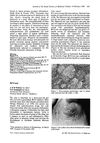 2 citations
,
February 1981 in “Journal of the Royal Society of Medicine”
2 citations
,
February 1981 in “Journal of the Royal Society of Medicine” A three-year-old girl survived a rare serious infection caused by BCG vaccination, which improved after treatment with a leprosy drug.
 37 citations
,
April 2011 in “Journal of Biological Chemistry”
37 citations
,
April 2011 in “Journal of Biological Chemistry” LEF1 interacts with Vitamin D Receptor, affecting hair follicle regeneration and this could be linked to hair loss conditions.
169 citations
,
February 2018 in “Immunity” Inactive stem cells in hair follicles and muscles can avoid detection by the immune system.
 June 2021 in “Research Square (Research Square)”
 Using fat-derived cells to treat hair loss increased hair density and thickness without side effects.
16 citations
,
March 2017 in “Oncotarget” SOCS3 treatment can prevent hair loss by stopping harmful immune responses.
 2 citations
,
June 2024 in “Archives of Dermatological Research”
2 citations
,
June 2024 in “Archives of Dermatological Research” Combining FCS and MPG is more effective for treating stable vitiligo than using either alone.
3 citations
,
January 2020 in “Indian Journal of Dermatology” Certain gene variations in the Vitamin D Receptor are linked to higher risk of female hair loss.
 15 citations
,
December 2014 in “PLoS ONE”
15 citations
,
December 2014 in “PLoS ONE” A mutation in the iRhom2 gene causes hairless mice due to abnormal hair follicle development.
2 citations
,
May 2023 in “The Journal of Immunology” NXC736 significantly reduced hair loss in mice with alopecia areata.
52 citations
,
December 2014 in “Journal of Dermatological Science” Apremilast may help treat hair loss in alopecia areata.
October 2021 in “Journal of Investigative Dermatology” Blocking IL-12 can help treat alopecia areata by preventing hair follicle immune issues.
3 citations
,
January 2019 in “Case Reports in Ophthalmology” VKHD and sarcoidosis may share a common cause.
1 citations
,
January 2025 in “Genes & Diseases” Understanding T cells and signaling pathways can lead to better treatments for hair loss.
December 2024 in “Veterinary Dermatology” A sugar glider had a rare skin cancer that worsened despite treatment, highlighting the need for thorough checks in exotic pets.
3 citations
,
August 2023 in “Journal of Investigative Dermatology” 1 citations
,
December 2023 in “Skin Research and Technology” Combining hair follicle transplantation and a 308 nm excimer laser effectively treats perioral vitiligo without unwanted hair growth.