June 2018 in “Chinese Journal of Dermatology” Connective tissue nevi have distinct features, and reflectance confocal microscopy is useful for early diagnosis.
Multiphoton microscopy can effectively distinguish between scarring and non-scarring alopecia.
30 citations
,
May 2019 in “Journal of the European Academy of Dermatology and Venereology”  35 citations
,
July 2009 in “Optics express”
35 citations
,
July 2009 in “Optics express” Researchers created a new light source that improves chemical imaging by removing background noise.
11 citations
,
January 1996 in “PubMed” Imaging living plant cells shows dynamic changes in actin and endoplasmic reticulum linked to root hair growth.
57 citations
,
December 2012 in “Journal of Biomedical Optics” Confocal microscopy is useful for studying how nanoparticles interact with skin.
 May 2023 in “Experimental Dermatology”
 RCM and OCT are effective for diagnosing and monitoring hair-related skin diseases but lack standardized protocols and need more research.
 10 citations
,
February 2015 in “Melanoma management”
10 citations
,
February 2015 in “Melanoma management” Dermoscopy is useful for many health professionals, not just dermatologists, in improving skin condition diagnoses and reducing unnecessary biopsies.
 4 citations
,
May 2013 in “Dermatologic Surgery”
4 citations
,
May 2013 in “Dermatologic Surgery” Three new techniques simplify and improve the preparation of tissue samples for skin cancer surgery.
 37 citations
,
July 2016 in “Current Opinion in Cell Biology”
37 citations
,
July 2016 in “Current Opinion in Cell Biology” Live imaging has advanced our understanding of stem cell behavior and raised new research questions.
3 citations
,
October 2006 in “Journal of dermatology” X-ray microscopy can non-invasively show hair structure changes after treatments, but it's less detailed than TEM and needs improvement.
 13 citations
,
October 2021 in “Anais Brasileiros de Dermatologia”
13 citations
,
October 2021 in “Anais Brasileiros de Dermatologia” Dermoscopy is effective for diagnosing various skin infestations and infections.
 April 2026 in “Scientific Reports”
 MSF-VMDNet accurately segments skin cancer images better than existing methods.
16 citations
,
July 2023 in “Frontiers in Medicine” Reliable, non-invasive tools are needed for better vitiligo diagnosis.
 November 2023 in “Berkala Ilmu Kesehatan Kulit dan Kelamin/Berkala ilmu kesehatan kulit dan kelamin (Periodical of dermatology and venerology)”
 A dermoscope helps accurately tell apart Pityrosporum folliculitis and Acne vulgaris.
27 citations
,
November 2012 in “Journal of Biomedical Optics” Confocal Raman microscopy can effectively study drug delivery in hair follicles using pig ear models.
 1 citations
,
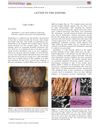
February 2018 in “Australasian journal of dermatology”
1 citations
,
February 2018 in “Australasian journal of dermatology” Advanced imaging techniques are crucial for accurately diagnosing Monilethrix, a rare hair disorder.
 20 citations
,
April 2011 in “British Journal of Dermatology”
20 citations
,
April 2011 in “British Journal of Dermatology” Reflectance confocal microscopy can tell apart white dots on the scalp as either sweat gland ducts or hair follicle openings.
21 citations
,
July 2004 in “Apmis” Fluorescent proteins help visualize and understand tumor blood vessel growth.
 68 citations
,
August 2012 in “Journal of the American Academy of Dermatology”
68 citations
,
August 2012 in “Journal of the American Academy of Dermatology” Dermatoscopy is a useful tool for diagnosing hair disorders and can help choose samples for more detailed analysis.
March 2026 in “Mendeley Data” March 2026 in “Mendeley Data” 7 citations
,
January 2015 in “PubMed” Ultrasound biomicroscopy is useful for viewing hair follicles in alopecia areata.
13 citations
,
March 2021 in “Frontiers in oncology” Reflectance confocal microscopy reliably identifies skin cancer features like horizontal skin tissue sections.
January 1991 in “Acta Dermato Venereologica” A new method effectively visualizes keratin in hair without harsh chemicals.
IVL-DrugFluidic® can mass-produce high-quality, long-acting injectable drug microspheres, improving patient compliance and reducing side effects.
 3 citations
,
September 2013 in “Journal of the European Academy of Dermatology and Venereology”
3 citations
,
September 2013 in “Journal of the European Academy of Dermatology and Venereology” Ex vivo dermatoscopy may lower lab costs and improve diagnosis speed for hair loss biopsies.
 39 citations
,
December 2008 in “Clinics in Dermatology”
39 citations
,
December 2008 in “Clinics in Dermatology” Dermoscopy has improved skin cancer diagnosis and has expanding applications in dermatology, but requires staying updated with new research and techniques.