22 citations
,
January 2021 in “Clinical Therapeutics” Men face more severe COVID-19 outcomes, while women are more likely to have long-term symptoms.
 October 2023 in “Journal of the Endocrine Society”
 The document concludes that doctors should thoroughly check postmenopausal women with sudden increased male traits for rare conditions like androgen-producing endometrial cancer.
2 citations
,
January 2014 in “JOURNAL OF CLINICAL AND DIAGNOSTIC RESEARCH” Sertoli-Leydig cell tumors are rare ovarian tumors that can cause symptoms like menorrhagia.
November 2012 in “Experimental and Clinical Endocrinology & Diabetes” A new genetic mutation causes severe Leydig cell hypoplasia, affecting sexual development.
11 citations
,
January 2000 in “Der Hautarzt” Male hypogonadism affects skin and hair, causing thin skin, less hair, and skin reactions to treatment.
 51 citations
,
November 2011 in “Reproductive Biology and Endocrinology”
51 citations
,
November 2011 in “Reproductive Biology and Endocrinology” About 13% of women had idiopathic hirsutism and 8.5% had polycystic ovary syndrome in a group of Iranian women.
49 citations
,
October 1988 in “The Journal of Clinical Endocrinology & Metabolism” Leuprolide effectively reduces hair growth in hirsute women at higher doses.
 July 1989 in “British Journal of Dermatology”
 Women's acne improvement with antibiotics is not linked to signs of high male hormones.
 123 citations
,
May 2020 in “Drug Development Research”
123 citations
,
May 2020 in “Drug Development Research” Men's sensitivity to male hormones might affect how severe COVID-19 gets for them.
2 citations
,
July 2021 in “The Journal of Sexual Medicine” Gene expression differences in PFS patients suggest a potential organic cause for symptoms.
 15 citations
,
April 2022 in “Immunology”
15 citations
,
April 2022 in “Immunology” Men and women get COVID-19 at similar rates, but men tend to get sicker and have a higher risk of dying, while women usually have stronger immune responses and vaccine reactions.
11-oxyandrogens are linked to excess hair growth in PCOS, but don't help diagnose it.
 45 citations
,
April 2018 in “Nature Reviews Urology”
45 citations
,
April 2018 in “Nature Reviews Urology” Male genital development is driven by androgen signaling and understanding it could help address congenital anomalies.
 March 2010 in “The Journal of Urology”
 Hair loss, prostate size, and urinary issues are related due to androgen effects.
 December 2022 in “Cureus”
 Adult women with acne in Iraq often have more severe symptoms and hormone-related issues than younger girls with acne.
 29 citations
,
March 2021 in “Frontiers in Endocrinology”
29 citations
,
March 2021 in “Frontiers in Endocrinology” Testosterone may influence COVID-19 severity and outcomes.
 3 citations
,
December 2000 in “Journal of the Royal Society of Medicine”
3 citations
,
December 2000 in “Journal of the Royal Society of Medicine” Antiandrogen therapy may be beneficial for women with hidradenitis suppurativa.
Certain medications can negatively impact male fertility.
 February 2024 in “Hormones”
 Future hormone therapy trials should match the diverse needs and priorities of the gender-diverse community.
 September 2024 in “International Journal of Molecular Sciences”
 High doses of testosterone disrupt hormone levels and receptor expression in the uterus, affecting fertility.
October 2013 in “International Journal of Pediatric Endocrinology/International journal of pediatric endocrinology” A boy with early puberty and laughing seizures was treated, stopping seizures and slowing puberty.
December 2024 in “Iraqi journal of Medical Sciences” Vitamin D deficiency may worsen PCOS symptoms.
 9 citations
,
November 2018 in “International Journal of Medical Reviews”
9 citations
,
November 2018 in “International Journal of Medical Reviews” Young men's sexual dysfunction often has physical causes, which can lead to stress and worsen the problem.
 19 citations
,
June 1999 in “Steroids”
19 citations
,
June 1999 in “Steroids” Different halogens on progesterone derivatives can either block or mimic male hormone effects, depending on their type and amount.
 2 citations
,
October 2020 in “Annals of Oncology”
2 citations
,
October 2020 in “Annals of Oncology” Men may be more vulnerable to severe COVID-19 due to genetic and hormonal factors, but more research is needed.
January 2002 in “DOAJ (DOAJ: Directory of Open Access Journals)” 31.6% of female students had hirsutism, often linked to conditions like menstrual issues and acne.
 1 citations
,
February 1988 in “The BMJ”
1 citations
,
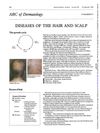
February 1988 in “The BMJ” The document explains different hair and scalp conditions, including common hair loss after pregnancy or illness, drug-induced hair loss, hereditary excessive hair growth, patterned baldness, autoimmune hair loss, and permanent loss due to skin disease, with generally limited treatment options.
 6 citations
,
April 2009 in “Fertility and Sterility”
6 citations
,
April 2009 in “Fertility and Sterility” Finasteride helps induce ovulation in nonresponder PCOS women.
19 citations
,
March 2004 in “The Journal of Clinical Endocrinology & Metabolism” Testosterone and letrozole treatment speeds up puberty in boys with delayed development.
 22 citations
,
January 2002 in “Treatments in endocrinology”
22 citations
,
January 2002 in “Treatments in endocrinology” Birth control pills help treat skin and hair growth problems linked to high male hormone levels.