March 2023 in “Pakistan Journal of Medical & Health Sciences” Vitamin D analogues can significantly help hair regrowth in Alopecia Areata patients.
 January 2023 in “Pakistan Armed Forces Medical Journal”
 Vitamin D levels are not linked to Alopecia Areata.
 April 2022 in “JAAD International”
 Women with frontal fibrosing alopecia have similar vitamin D levels to those with other hair loss types, suggesting vitamin D is not a key factor in this condition.
 February 2022 in “Global academic journal of medical sciences”
 People with alopecia areata have much lower Vitamin-D levels than healthy individuals.
 January 2022 in “Medical research archives”
 Taking vitamin D might improve life for MS patients and reduce skin side effects from alemtuzumab treatment.
 January 2022 in “Indian journal of dermatopathology and diagnostic dermatology”
 Women with diffuse hair loss often have lower iron and vitamin D levels, but their thyroid function is typically normal.
 October 2021 in “International Journal of Research in Dermatology”
 People with alopecia areata often have low vitamin D levels, which may worsen their hair loss.
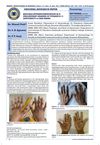 July 2021 in “PARIPEX INDIAN JOURNAL OF RESEARCH”
 Knuckle darkening can be an early sign of vitamin B12 deficiency.
 September 2020 in “International Journal of Research in Medical Sciences”
 People with alopecia areata had lower vitamin D levels, but these levels did not relate to how severe their condition was.
 January 2020 in “Journal of quality in health care & economics”
 Most women with depression in the study had low vitamin D levels.
 April 2019 in “Journal of Investigative Dermatology”
 New vitamin D3 forms need the vitamin D receptor to reduce fibrosis in human cells.
January 2019 in “Egyptian Journal of Dermatology and Venereology /Egyptian Journal of Dermatology and Venerology” Low vitamin D levels might indicate more severe hair loss in alopecia areata patients.
 January 2019 in “Revista Medicina Cutánea Ibero-Latino-Americana”
 Vitamin D is important for skin health and can help improve various skin conditions.
 September 2018 in “International Journal of Dermatology”
 People with alopecia areata often have lower levels of zinc and vitamin D.
 April 2016 in “Journal of Investigative Dermatology”
 Vitamin D can reduce skin inflammation caused by UV rays by enhancing cell "fitness" and skin repair.
 April 2016 in “Journal of Investigative Dermatology”
 Lithocholic acid helps hair growth and regeneration in alopecia by activating vitamin D receptors.
Azelaic acid and vitamin B6 together may improve hair growth.
 October 2004 in “Radiotherapy and oncology”
 Active vitamin D3 might protect hair follicles from radiation damage.
 June 2024 in “Zagazig University Medical Journal”
 Intralesional vitamin D is mildly effective for treating Alopecia Areata.
April 2023 in “Zenodo (CERN European Organization for Nuclear Research)” High-dose vitamin D and an anti-inflammatory diet may help improve symptoms in autoimmune conditions like SLE and AA.
 September 2022 in “Al-Azhar University Journal of Virus Researches and Studies”
 Taking Vitamin D with clomiphene citrate significantly improves ovulation in women with Poly Cystic Ovary Syndrome.
November 2021 in “Journal of Regenerative Biology and Medicine” Vitamin D3 and anisodamine may help treat hair loss in children.
 October 2021 in “QJM: An International Journal of Medicine”
 Low iron levels are linked to premature graying of hair, but vitamin D levels are not.
January 2021 in “İzmir Dr.Behçet Uz çocuk hastanesi dergisi” Children with Alopecia Areata often have lower vitamin D and B12 levels and higher thyroid activity.
January 2005 in “mediaTUM – the media and publications repository of the Technical University Munich (Technical University Munich)” Vitamin D and glucocorticoids affect bone growth, metabolism, and immune response.
February 2023 in “Journal of Cosmetic Dermatology” Combining microneedling with either vitamin D3 or bimatoprost improves hair regrowth more than microneedling alone.
January 2019 in “Menoufia Medical Journal” Lower vitamin D levels may contribute to female hair loss.
February 2023 in “Clinical, Cosmetic and Investigational Dermatology” Higher leptin and lower vitamin D levels may contribute to male pattern baldness.
 July 2021 in “PARIPEX INDIAN JOURNAL OF RESEARCH”
 Men with early baldness often have low vitamin D levels.
519 citations
,
October 1998 in “Endocrinology” Diet can prevent bone issues but not hair loss in mice lacking vitamin D receptors.