 9 citations
,
June 2019 in “Archives of Dermatological Research”
9 citations
,
June 2019 in “Archives of Dermatological Research” Both topical calcipotriol and narrowband UVB improved alopecia, but combining them didn't enhance the effect on hair loss severity, despite higher vitamin D3 levels.
 9 citations
,
February 1996 in “Lancet”
9 citations
,
February 1996 in “Lancet” Some tuberculosis drugs may cause hair loss, but hair might regrow after treatment or changing the drugs.
 8 citations
,
September 2019 in “Eating and Weight Disorders - Studies on Anorexia, Bulimia and Obesity”
8 citations
,
September 2019 in “Eating and Weight Disorders - Studies on Anorexia, Bulimia and Obesity” A woman with anorexia nervosa improved after treatment for pellagra, reminding doctors to check for this deficiency in patients with eating disorders.
 6 citations
,
January 2016 in “Menopause”
6 citations
,
January 2016 in “Menopause” Estrogen deficiency, like after menopause or certain surgeries, leads to faster skin aging and health issues.
 5 citations
,
January 2006 in “Journal of obstetrics and gynaecology”
5 citations
,
January 2006 in “Journal of obstetrics and gynaecology” Metformin can cause hair loss in some women with PCOS.
 4 citations
,
November 2016 in “Dermatologic Therapy”
4 citations
,
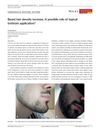
November 2016 in “Dermatologic Therapy” Topical tretinoin may increase beard hair density.
 1 citations
,
March 2017 in “Al-maǧallaẗ al-’irāqiyyaẗ li-l-’ulūm al-ṣaydalāniyyaẗ/Iraqi journal of pharmaceutical sciences”
1 citations
,
March 2017 in “Al-maǧallaẗ al-’irāqiyyaẗ li-l-’ulūm al-ṣaydalāniyyaẗ/Iraqi journal of pharmaceutical sciences” Nutrient antioxidants helped reduce prednisolone dosage and improved hair growth in alopecia areata patients.
July 2025 in “International Journal of Trichology” Intralesional methotrexate and triamcinolone acetonide are more effective than Vitamin D3 for treating alopecia areata.
 May 2025 in “Journal of the Egyptian Womenʼs Dermatologic Society”
 Vitamin D3 is a safe and effective alternative to steroids for treating alopecia areata, with fewer side effects.
January 2025 in “Dermatologic Therapy” Oxidative stress damages hair follicles and worsens hair loss in androgenetic alopecia.
 October 2017 in “The American journal of gastroenterology”
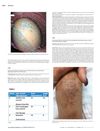
 Three patients suffered severe health issues due to not getting enough vitamins and minerals after weight-loss surgery.
 January 2017 in “Springer eBooks”
 The document explains various skin conditions and their treatments.
Millet extract, wheat germ oil, L-cystine, and calcium pantothenate reduced hair loss and improved hair growth in women with diffuse alopecia.
 August 2001 in “Journal of Cutaneous Medicine and Surgery”
 Prednisone has risks for lupus patients, isotretinoin is safe for mental health, transplant patients risk skin cancer, and various treatments are effective for specific skin conditions.
January 2026 in “Zenodo (CERN European Organization for Nuclear Research)” Vitamin A levels don't significantly affect alopecia areata.
January 2026 in “Zenodo (CERN European Organization for Nuclear Research)” Vitamin A levels don't significantly affect alopecia areata.
 August 2025 in “Zanco Journal of Medical Sciences”
 Both steroid and vitamin D3 treatments are safe and effective for patchy alopecia areata, with steroids showing slightly better results.
 September 2021 in “Farmacja Polska”
 Scalp needle mesotherapy can effectively treat hair loss and improve hair growth.
 January 2017 in “Clinical approaches and procedures in cosmetic dermatology”
 Anti-glycation treatments might slow skin aging, but more research is needed.
 June 1995 in “Archives of Dermatology”
 A woman's hair loss was due to trichotillomania, which is often misdiagnosed and can require different treatments based on age and underlying conditions.
Rapid weight loss can cause temporary hair loss, but hair usually grows back.
109 citations
,
June 2011 in “Molecular and Cellular Endocrinology” Vitamin D receptor mutations can cause alopecia by affecting hair growth genes.
 52 citations
,
October 2016 in “Clinics in Dermatology”
52 citations
,
October 2016 in “Clinics in Dermatology” Some medications can cause acne, and stopping these drugs is the main treatment.
50 citations
,
October 2011 in “Archives of Biochemistry and Biophysics” Vitamin D receptor is essential for healthy hair growth.
 48 citations
,
January 2015 in “Indian Journal of Dermatology, Venereology and Leprology”
48 citations
,
January 2015 in “Indian Journal of Dermatology, Venereology and Leprology” Vitamin D is important for skin health and can help treat psoriasis, atopic dermatitis, and vitiligo.
 14 citations
,
October 2016 in “Physiological Research”
14 citations
,
October 2016 in “Physiological Research” Alfacalcidiol and metformin together lowered testosterone in women with PCOS, but did not significantly improve acne, hair growth, or pregnancy rates.
2 citations
,
September 2022 in “Frontiers in Nutrition” High-dose vitamin D3 does not improve symptoms or quality of life in COVID-19 patients after one year.
 2 citations
,
December 2013 in “Veterinary dermatology”
2 citations
,
December 2013 in “Veterinary dermatology” Three dogs with a rare skin condition improved with treatment.
 1 citations
,
April 2011 in “International Journal of Dermatology”
1 citations
,
April 2011 in “International Journal of Dermatology” The VII International Congress of Dermocaribe in Colombia was a major dermatology event with over 50 lectures on various skin conditions and treatments.
 January 2025 in “TURKDERM”
 Alopecia areata incognito in children can be effectively treated with triamcinolone acetonide and supplements, leading to full hair regrowth.