April 2013 in “The FASEB Journal” Dutasteride showed some prevention of prostate issues but also had limitations, especially with high-grade tumors.
2 citations
,
September 2024 in “Expert Opinion on Drug Metabolism & Toxicology” Ritlecitinib is an effective new treatment for Alopecia Areata.
Finasteride, a medication, is being re-evaluated for its effects and uses.
November 2025 in “British Journal of Pharmacology” Inositol hexaphosphate helps protect hearing by preserving ear cells in mice.
 February 2011 in “Annales de dermatologie et de vénéréologie”
 Tofacitinib shows promise for treating severe alopecia areata with good safety and effectiveness.
 9 citations
,
December 2020 in “Dermatologic Therapy”
9 citations
,
December 2020 in “Dermatologic Therapy” Certain drugs are effective for skin conditions like psoriasis, vitiligo, and hair loss.
Niosomes improve aminexil's effectiveness in preventing hair loss without needing propylene glycol.
 22 citations
,
December 2017 in “International Journal of Molecular Sciences”
22 citations
,
December 2017 in “International Journal of Molecular Sciences” Minoxidil boosts hair growth by increasing blood flow and nutrients to hair follicles.
 159 citations
,
October 2015 in “Science Advances”
159 citations
,
October 2015 in “Science Advances” Blocking JAK-STAT signaling can lead to hair growth.
 15 citations
,
January 2000 in “Japanese Heart Journal”
15 citations
,
January 2000 in “Japanese Heart Journal” A man developed heart problems after using a baldness treatment for 4 months, suggesting that people with heart issues should avoid this treatment.
 December 2023 in “European Journal of Pharmacology”
 C3G and Vitisin A may help prevent hair loss by blocking male hormones and stopping hair cell death.
November 2005 in “The Journal of Urology” October 2025 in “CRC Press eBooks”  July 2025 in “SKIN The Journal of Cutaneous Medicine”
 Ritlecitinib is generally safe for alopecia areata patients over 72 months.
 2 citations
,
November 2014 in “The journal of investigative dermatology/Journal of investigative dermatology”
2 citations
,
November 2014 in “The journal of investigative dermatology/Journal of investigative dermatology” Oral tofacitinib can treat both psoriasis and alopecia universalis by normalizing inflammatory pathways.
Potassium channel openers like minoxidil boost hair growth.
 6 citations
,
January 1996 in “Endocrine-related Cancer”
6 citations
,
January 1996 in “Endocrine-related Cancer” Combining flutamide and finasteride can reduce prostate weight and tumor growth, potentially benefiting treatments needing optimal DHT inhibition.
 2 citations
,
September 2009 in “Hormone Molecular Biology and Clinical Investigation”
2 citations
,
September 2009 in “Hormone Molecular Biology and Clinical Investigation” Low dose finasteride decreases certain steroids, possibly increasing depression risk.
38 citations
,
September 2017 in “Journal of zoo and wildlife medicine” Oclacitinib maleate successfully treated alopecia in Andean bears.
 49 citations
,
October 1994 in “Annals of Oncology”
49 citations
,
October 1994 in “Annals of Oncology” Minoxidil not effective in preventing chemotherapy-induced hair loss.
 December 2025 in “Cosmoderma”
 Systemic corticosteroids help manage vitiligo by slowing progression and aiding repigmentation.
September 2010 in “Reactions weekly” The combination of tretinoin, minoxidil, and betamethasone valerate may cause severe scalp inflammation.
 5 citations
,
January 2021 in “Inflammatory Bowel Diseases”
5 citations
,
January 2021 in “Inflammatory Bowel Diseases” Tofacitinib improved ulcerative colitis, skin ulcers, and hair loss in a patient who didn't respond well to other treatments.
 8 citations
,
May 2017 in “Singapore Medical Journal”
8 citations
,
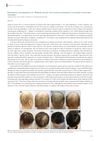
May 2017 in “Singapore Medical Journal” A Korean woman with complete hair loss regrew her hair after taking tofacitinib, with no side effects.
November 2025 in “SKIN The Journal of Cutaneous Medicine” Ritlecitinib 50 mg effectively promotes and sustains hair regrowth in alopecia areata patients.
December 2012 in “http://isrctn.org/>” 
Tofacitinib effectively regrows hair in alopecia universalis triggered by a virus.
 February 2026 in “Indian Journal of Skin Allergy”
 Ruxolitinib cream effectively treats skin conditions like atopic dermatitis and vitiligo with minimal side effects.
 May 2026 in “Journal of Dermatological Treatment”
 Patients with alopecia areata prefer treatments that regrow scalp hair quickly over how often they need to take the medication.
8 citations
,
January 2020 in “Indian Dermatology Online Journal” PRP works faster and is a safe alternative to steroids for treating alopecia areata.