 October 2023 in “Microorganisms”
 Nirmatrelvir/Ritonavir treatment may lead to a weaker immune response to COVID-19, but doesn't affect the chance of rebound.
 1 citations
,
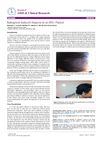
November 2011 in “Journal of AIDS & Clinical Research”
1 citations
,
November 2011 in “Journal of AIDS & Clinical Research” Raltegravir may cause hair loss in some patients.
 2 citations
,
January 1990 in “Leukemia & Lymphoma”
2 citations
,
January 1990 in “Leukemia & Lymphoma” The combination of mitoxantrone, etoposide, and prednisolone is effective for treating relapsed lymphoma with manageable side effects.
2 citations
,
November 2004 in “Hospital pharmacy” Certain medications can cause serious side effects, so it's important to report them.
7 citations
,
March 2023 in “JEADV. Journal of the European Academy of Dermatology and Venereology/Journal of the European Academy of Dermatology and Venereology” 9 citations
,
November 1997 in “British Journal of Dermatology”  November 2025 in “Open Repository of the University of Porto (University of Porto)”
 Minoxidil and spironolactone can improve hair growth, but responses vary and side effects are common.
1 citations
,
November 2014 in “Thérapie” Potassium channel activators like nicotinamide and minoxidil might help treat solid tumors.
September 2023 in “Journal of the American Academy of Dermatology” Risankizumab effectively treats and maintains skin clearance in moderate-to-severe psoriasis.
2 citations
,
February 2025 in “Journal of the European Academy of Dermatology and Venereology” JAK inhibitors may effectively treat lichen planopilaris and frontal fibrosing alopecia with minimal side effects.
 November 2022 in “Journal of Investigative Dermatology”
 Short-term treatment with ROCKi increases skin cell growth without changing stem cell features.
January 2026 in “Dermatologica Sinica” New and repurposed treatments are improving outcomes in dermatology.
4 citations
,
January 2007 in “Iraqi postgraduate Medical Journal”  December 2025 in “Педиатрическая фармакология”
 Tofacitinib is more effective than traditional treatments for severe alopecia areata in children.
13 citations
,
September 2022 in “International Journal of Molecular Sciences” Five existing drugs may help fight Swine Acute Diarrhea Syndrome Coronavirus.
1 citations
,
November 2005 in “PubMed” Itraconazole effectively treats scalp fungus, with continuous use more effective than pulse therapy.
 February 2006 in “Journal of The American Academy of Dermatology”
 Terbinafine is more effective than itraconazole for toenail fungus, especially in older patients, and debridement improves its effectiveness.
 1 citations
,
August 2020 in “IntechOpen eBooks”
1 citations
,
August 2020 in “IntechOpen eBooks” Old drugs like finasteride and spironolactone are being successfully used for hair loss and skin conditions, and many other drugs show promise for new uses in dermatology.
 June 2026 in “Frontiers in Medicine”
 Spironolactone has the most side effects, including serious risks, while eplerenone and finerenone mainly affect the heart, kidneys, and metabolism.
January 2012 in “Journal of Investigative Dermatology” May 2008 in “10th European Congress of Endocrinology” May 2018 in “KU ScholarWorks (The University of Kansas)” Targeting 5α-reductase type 1 may help manage Tourette-like symptoms.
 6 citations
,
April 2013 in “International Journal of Dermatology”
6 citations
,
April 2013 in “International Journal of Dermatology” Valproic acid helped hair growth in alopecia patient; more research needed.
 55 citations
,
October 2019 in “Dermatology and therapy”
55 citations
,
October 2019 in “Dermatology and therapy” Drugs targeting the JAK/STAT pathway can improve atopic dermatitis but vary in effectiveness for vitiligo and alopecia areata, with generally mild safety concerns.
 November 2023 in “PubMed”
 Naringenin and its combination with minoxidil significantly improved hair growth in mice.
18 citations
,
October 2015 in “Journal of the European Academy of Dermatology and Venereology” Topical eflornithine helps maintain hair reduction after IPL therapy in women with facial hirsutism.
March 2023 in “SKIN The Journal of Cutaneous Medicine” Ritlecitinib helped most alopecia areata patients regrow hair by Week 48.
June 2025 in “OPAL (Open@LaTrobe) (La Trobe University)” The RHC complex with nicotinamide promotes hair growth and health.
42 citations
,
August 2012 in “Psychoneuroendocrinology” Finasteride reduces certain behaviors caused by D1-like receptor agonists but not by D2-like receptor agonists in mice.
 101 citations
,
November 1992 in “Archives of Dermatology”
101 citations
,
November 1992 in “Archives of Dermatology” Steroids help hair regrowth, and minoxidil slows post-steroid hair loss, but effects are temporary.