12 citations
,
July 2016 in “Journal of dermatology” Intramuscular triamcinolone acetonide is an effective treatment for severe alopecia areata, especially in males.
12 citations
,
December 1981 in “Journal of Endocrinology” α-MSH increases melanin production in moulting hair follicles, while AVT inhibits it.
 3 citations
,
June 2021 in “PLOS ONE”
3 citations
,
June 2021 in “PLOS ONE” A topical BRAF inhibitor, vemurafenib, can speed up wound healing and promote hair growth, especially in diabetic patients.
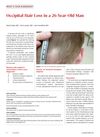 January 2022 in “Consultant”
 The man's occipital hair loss was due to temporal triangular alopecia, not alopecia areata.
 November 2023 in “BMC women's health”
 Older age and specific haircare practices increase the risk of traction alopecia, and education on these factors could help prevent it.
97 citations
,
January 2006 in “Dermatology” imTA and pulse therapy are effective for alopecia areata with manageable side effects, but relapse rates need improvement.
3 citations
,
April 2021 in “Oncology Times” Trodelvy™ helped some patients with advanced breast cancer, but had side effects.
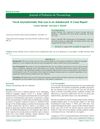 December 2019 in “Journal of pediatrics & neonatology”
 A 13-year-old boy had a rare, stable type of hair loss with little chance of regrowth, but treatment is available for looks.
November 2024 in “Actas Dermo-Sifiliográficas” N-acetylcysteine and memantine are recommended as safe and effective treatments for trichotillomania.
 May 2024 in “Actas dermo-sifiliográficas/Actas dermo-sifiliográficas”
 Effective treatments for trichotillomania include cognitive-behavioral therapy, certain medications, and alternative support tools.
 April 2024 in “Indian Journal of Paediatric Dermatology”
 Congenital triangular alopecia and vitiligo can occur together, but treatment for one may not affect the other.
 January 2020 in “Przegla̧d dermatologiczny”
 A 5-year-old boy was diagnosed with congenital triangular alopecia, a type of hair loss without skin changes, usually starting between ages 2-5, with no specific treatment.
2 citations
,
January 2023 in “Anais Brasileiros de Dermatologia” September 1998 in “Journal of the European Academy of Dermatology and Venereology” PUVA-turban therapy can help some people with severe alopecia areata regrow hair.
December 2025 in “Journal of the European Academy of Dermatology and Venereology”  December 2023 in “Portuguese journal of dermatology and venereology”
 Trichoscopy can reliably distinguish between alopecia areata and trichotillomania.
 2 citations
,
February 2025 in “International Journal of Molecular Sciences”
2 citations
,
February 2025 in “International Journal of Molecular Sciences” Key proteins and pathways regulate yak hair growth, with lipid metabolism aiding adaptation to high altitudes.
3D models from confocal microscopy improve melanoma detection on sun-damaged skin.
The 7.5% talok and 2% pare leaf extract hair tonic effectively promotes hair growth, similar to minoxidil.
3 citations
,
February 2023 in “BMJ Case Reports” OnabotulinumtoxinA treatment improved hair-pulling disorder and hair regrowth in a woman with chronic migraines.

Early combination therapy can effectively regrow hair in frontal fibrosing alopecia.
 January 2023 in “Åbo Akademi University Research Portal”
 Vimentin is crucial for wound healing, cell growth, and managing immune responses.
3 citations
,
May 2018 in “Psychiatry and Clinical Psychopharmacology” N-acetylcysteine may help treat trichotillomania.
 2 citations
,
November 2022 in “Biosensors”
2 citations
,
November 2022 in “Biosensors” A new, efficient method has been developed to detect darolutamide and thalidomide, drugs used for certain hair loss and prostate cancer treatments, in pharmaceuticals and body fluids.
 January 2015 in “Journal of evolution of medical and dental sciences”
 Topical tacrolimus is effective and safe for treating alopecia areata.
 September 2022 in “XXXIX Congresso Brasileiro de Reumatologia”
 Tofacitinib may effectively treat skin symptoms in difficult cases of dermatomyositis.
November 2024 in “Tạp chí Y học Cộng đồng” Oral and topical tranexamic acid effectively and safely improve melasma.
VDAC2 promotes cell death in cashmere goat hair follicles through the P53 pathway.
July 2025 in “Materials Today Bio” TFC-loaded microneedles effectively promote hair regrowth in androgenetic alopecia.