14 citations
,
March 2018 in “The American journal of case reports” People with the same genetic mutation for Woodhouse-Sakati syndrome can have different symptoms.
 3 citations
,
June 2023 in “Journal of dermatological treatment”
3 citations
,
June 2023 in “Journal of dermatological treatment” Regrowing scalp hair improves quality of life and reduces anxiety and depression in severe alopecia areata patients.
June 2026 in “Value in Health” The measures for eyebrow and eyelash hair loss in severe Alopecia Areata are reliable and useful for clinical trials.
 16 citations
,
January 2023 in “Acta Biomaterialia”
16 citations
,
January 2023 in “Acta Biomaterialia” The hydrogel quickly stops bleeding and helps heal infected wounds.
 1 citations
,
August 2021 in “Canadian journal of neurological sciences”
1 citations
,
August 2021 in “Canadian journal of neurological sciences” Woodhouse-Sakati syndrome can cause writer's cramp and other varied symptoms, highlighting the importance of genetic testing for diagnosis.
7 citations
,
February 2023 in “Journal of Dermatological Treatment” The Scalp Photographic Index (SPI) is a reliable tool for assessing scalp conditions.
 14 citations
,
January 2021 in “Cureus”
14 citations
,
January 2021 in “Cureus” The AndroCoV Clinical Scoring is a quick, accurate, and free tool for diagnosing COVID-19.
 July 2024 in “Medical alphabet”
 The SBN system effectively assesses alopecia areata severity and predicts its course.
November 2024 in “Journal of Investigative Dermatology” Polygenic Score can help predict severe psoriasis and psoriatic arthritis.
January 2026 in “White Rose Research Online (University of Leeds, The University of Sheffield, University of York)” Most patients with alopecia areata did not achieve lasting hair regrowth despite treatment.
June 2026 in “International Journal of Community Medicine and Public Health” Alopecia areata moderately affects quality of life, especially in women and those with severe or long-term cases.
 1 citations
,
July 2024 in “Skin Research and Technology”
1 citations
,
July 2024 in “Skin Research and Technology” High-frequency ultrasound can effectively visualize and assess hair loss.
 4 citations
,
November 2021 in “Journal of Cosmetic Dermatology”
4 citations
,
November 2021 in “Journal of Cosmetic Dermatology” QR678 and QR678 Neo treatments, combined with corticosteroid injections, work better for alopecia areata than corticosteroid injections alone.
 August 2025 in “American Journal of Clinical Dermatology”
 Clinicians should use evidence-based tools and consider mental health when assessing alopecia areata to guide treatment.
5 citations
,
May 2024 in “Australasian Journal of Dermatology” Alopecia areata significantly affects emotional well-being and daily activities, suggesting a need for patient-centered care.
 January 2026 in “Scientific Reports”
 Spiritual well-being improves quality of life for Palestinian women with breast cancer.
 3 citations
,
January 2024 in “Annals of Dermatology”
3 citations
,
January 2024 in “Annals of Dermatology” The criteria help doctors diagnose and treat alopecia areata more effectively.
 January 2024 in “Zenodo (CERN European Organization for Nuclear Research)”
 The conclusion is that certain traits, including perceived facial aging and BMI, are linked to perceived youthfulness differently in men and women.
63 citations
,
March 2020 in “Clinical Cosmetic and Investigational Dermatology” Alopecia areata affects many in the US, impacting quality of life, with limited treatment options.
3 citations
,
May 2018 in “The Indian Journal of Animal Sciences” The KAP 7 gene affects wool traits in Rambouillet sheep, with the BB genotype showing the best wool characteristics.
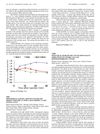 April 2010 in “The Journal of Urology”
 Human prostate cells produce more WISP1/CCN4 when there's not enough oxygen.
 1 citations
,
January 2024 in “Archives of Endocrinology and Metabolism”
1 citations
,
January 2024 in “Archives of Endocrinology and Metabolism” Self-assessed hirsutism scores are not reliable for clinical diagnosis but may help in screening.
 April 2016 in “Journal of The American Academy of Dermatology”
 Alopecia areata affects quality of life more than androgenetic alopecia.
 April 2019 in “Molecular Informatics”
 Researchers developed reliable models to predict how well certain compounds bind to androgen receptors, emphasizing the importance of atomic electronegativity.
 December 2022 in “International Journal of Women's Dermatology”
 The Sinclair Shedding Scale is effective for diagnosing Alopecia Areata Incognita and monitoring treatment success.
 July 2021 in “Scholars Journal of Medical Case Reports”
 Woodhouse-Sakati Syndrome can include unique symptoms like liver issues and low growth hormone.
July 2024 in “Journal of Investigative Dermatology” Alopecia areata causes negative emotions and stress due to hair loss and emotional triggers.
 August 2023 in “Skin Research and Technology”
 Measuring bald patch size can help grade hair loss severity, with photograph-based evaluation being more reliable.
 1 citations
,
December 2022 in “JAMA Dermatology”
1 citations
,
December 2022 in “JAMA Dermatology” The AI system HairComb accurately scores hair loss severity, matching dermatologist assessments.
Excluding alopecia and mucous membrane components from the CLASI-A score reduces its effectiveness in capturing important disease activity.