5 citations
,
September 2009 in “Acta Ophthalmologica” Hyper-keratinisation in Meibomian glands contributes to gland dysfunction.

Retinol with polylysine cleared scalp skin growths in 21 days without side effects.

The document concludes that various skin conditions have specific treatments and that adequate calcium intake may prevent osteoporosis.
2 citations
,
October 1974 in “Archives of Dermatology” The woman's skin condition persisted for 20 years despite treatments.
20 citations
,
February 1977 in “The anatomical record” Excess vitamin A changes skin and hair follicle development and affects polysaccharide distribution.
August 2024 in “Indian Dermatology Online Journal” DCPA commonly affects males' lower legs, showing follicular pustules and white areas.
 5 citations
,
September 2015 in “Nepalese journal of ophthalmology”
5 citations
,
September 2015 in “Nepalese journal of ophthalmology” An 11-year-old girl with a rare skin disorder also had cornea issues and dry eye, needing careful management.
8 citations
,
June 2016 in “Journal of Investigative Dermatology” A rare genetic deletion in the KRT1 gene causes unique skin symptoms in a family.
 17 citations
,
April 2004 in “Acta Clinica Belgica”
17 citations
,
April 2004 in “Acta Clinica Belgica” UV light makes skin signs of lack of carotene and vitamin A more visible.
June 2023 in “British Journal of Dermatology” Facial lichen planopilaris may be triggered by shaving and mustard oil, and early detection is crucial for better treatment outcomes.
 April 2015 in “Reactions Weekly”
 Some elderly men had healing problems after using imiquimod and diclofenac for skin conditions on their scalps.
February 2026 in “Veterinary Dermatology” Coat-type differences in Pomeranians affect Alopecia X diagnosis and treatment.
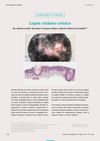 January 2024 in “Revista Dermatológica Centro Uraga”
 The patient has Chronic Cutaneous Lupus, a skin condition causing plaques and hair loss.
 51 citations
,
March 2014 in “Nature Communications”
51 citations
,
March 2014 in “Nature Communications” Skin tumor regression is helped by retinoic acid signaling blocking Wnt signaling.
13 citations
,
January 2018 in “Yonsei Medical Journal” A specific gene mutation causes Olmsted syndrome.
2 citations
,
January 1987 in “PubMed” Woolly hair syndrome is a genetic condition causing frizzy, fragile hair.
January 2025 in “Dermatology Online Journal” The man's hair loss and skin papules were diagnosed as atrichia with papular lesions, not alopecia areata universalis.
32 citations
,
March 1988 in “International Journal of Dermatology” Retinoids can help treat skin disorders by improving the skin's outer layer.
28 citations
,
May 2000 in “Proceedings of the National Academy of Sciences” The Walleye dermal sarcoma virus cyclin causes excessive skin cell growth in mice.
 14 citations
,
July 2012 in “Journal of the American Academy of Dermatology”
14 citations
,
July 2012 in “Journal of the American Academy of Dermatology” Topical tacalcitol ointment can help improve symptoms of EFFC.
December 2014 in “Actas dermo-sifiliográficas/Actas dermo-sifiliográficas” Hair removal with intense pulsed light can cause rare skin lesions that are hard to fully treat.
 May 2024 in “Indian Journal of Dermatology”
 The woman has a rare skin condition called follicular Dowling-Degos disease, which has limited treatment options.
4 citations
,
April 1955 in “Archives of Dermatology” Hydrocortisone ointment effectively improved eyebrow skin and hair in a 10-year-old.
26 citations
,
May 1988 in “Pediatric dermatology” Eruptive vellus hair cysts can run in families.
 10 citations
,
May 2017 in “CMAJ. Canadian Medical Association journal”
10 citations
,
May 2017 in “CMAJ. Canadian Medical Association journal” The boy had a fungal scalp infection called kerion, which was cured with oral antifungal medication.
October 1991 in “Archives of Dermatology” The woman has a skin condition involving nodules, scars, and hair loss.

Vogt–Koyanagi–Harada disease can cause rare hair growth on normally hairless thumb skin.
22 citations
,
September 2008 in “International Journal of Dermatology” The case suggests a possible autoimmune link between lichen sclerosus and vitiligo.
13 citations
,
January 2012 in “Dermatology” Eruptive vellus hair cysts are rare, benign skin lesions that are hard to treat.
 February 2026 in “Journal of Cutaneous and Aesthetic Surgery”
 Ectopic acanthosis nigricans can occur at surgical sites due to skin graft mismatches.