 March 2018 in “Suez Canal University Medical Journal”
 NKG2D gene polymorphism doesn't affect SLE risk but may influence symptoms like rash and hair loss.
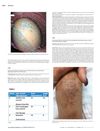 October 2017 in “The American journal of gastroenterology”
 Three patients suffered severe health issues due to not getting enough vitamins and minerals after weight-loss surgery.
 May 2014 in “Transfusion and Apheresis Science”
 PRP is a safe natural treatment that improves skin by reducing wrinkles and enhancing texture for up to 4 months.
 January 2014 in “International Journal of Case Reports and Images”
 A woman with undifferentiated connective tissue disease was diagnosed with renal amyloidosis and carpal tunnel syndrome.
 June 2020 in “Journal of Evolution of medical and Dental Sciences”
 Platelet Rich Plasma (PRP) treatment effectively reduces hair fall and increases hair growth in patients with Androgenetic Alopecia (AGA), but it may cause pain.
 85 citations
,
December 2017 in “Developmental Biology”
85 citations
,
December 2017 in “Developmental Biology” Mammals might fail to regenerate not because they lack the right cells, but because of how cells respond to their surroundings, and changing this environment could enhance regeneration.
 10 citations
,
December 2021 in “Frontiers in cell and developmental biology”
10 citations
,
December 2021 in “Frontiers in cell and developmental biology” Glypican-1 is important for blood vessel growth in hair follicles and could help treat hair loss.
 October 2025 in “HAL (Le Centre pour la Communication Scientifique Directe)”
 Variegated coat color in cats is linked to the Silver locus.
3 citations
,
January 2011 in “American Journal of Hematology” Immunochemotherapy successfully treated neutropenia in a patient with Waldenström's macroglobulinemia.
 October 2025 in “JOURNAL OF CLINICAL AND DIAGNOSTIC RESEARCH”
 Waldenstrom’s Macroglobulinaemia can mimic multiple myeloma, so accurate diagnosis is crucial.
17 citations
,
April 2023 in “Cell Biology International” RDW is a useful, cost-effective tool for diagnosing and monitoring various diseases.
 49 citations
,
February 2008 in “Stem Cells”
49 citations
,
February 2008 in “Stem Cells” Wnt10b helps blood stem cells grow after injury.
 January 2026 in “Frontiers in Pharmacology”
 Wedelolactone may help treat inflammation, infections, cancer, bone loss, and organ damage.
28 citations
,
February 2006 in “Biochemical and Biophysical Research Communications” Wnt-10b helps skin cells and hair grow.
 November 2018 in “Atlas of genetics and cytogenetics in oncology and haematology”
 WNT10B is linked to cancer development and affects survival and disease progression in various cancers.
 April 2016 in “Journal of Investigative Dermatology”
 A specific type of immune cells, called CD301b-expressing macrophages, are crucial for skin repair processes.
116 citations
,
April 2020 in “Stem Cell Research & Therapy” Wharton's jelly stem cells show diverse traits and functions.
18 citations
,
January 2013 in “Journal of Investigative Dermatology” WIF1 helps keep skin stem cells inactive to prevent excessive cell growth.
 April 2010 in “The Journal of Urology”
 Human prostate cells produce more WISP1/CCN4 when there's not enough oxygen.
 1 citations
,
February 2018 in “British Journal of Dermatology”
1 citations
,
February 2018 in “British Journal of Dermatology” The CWARTS tool is a promising method for assessing warts and could improve treatment and research.
 91 citations
,
December 2010 in “Stem Cells”
91 citations
,
December 2010 in “Stem Cells” Wnt signaling helps control how brain stem cells divide and is important for brain repair after injury.
53 citations
,
November 2014 in “International Journal of Oncology” Wedelolactone may help prevent bone damage in breast cancer by blocking certain cell signals.
June 2026 in “Morphology” Macrophages play a crucial role in skin wound healing, with their numbers and sizes changing over time.
Non-immune dermal cells dominate, epidermal cells increase after day 9, and certain immune cells persist beyond inflammation in wound-induced hair follicle regeneration.
December 1963 in “Medical Entomology and Zoology” Wnt1a from stem cells boosts hair growth and regeneration in mice.
May 2024 in “International journal of medicine and psychology.” Monoclonal antibodies LT-1, LT-2, and LT-7 help diagnose certain blood cancers.
 June 2023 in “Journal of Burn Care & Research”
 Using both bone marrow concentrate and platelet-rich plasma together improves skin wound healing in mice.
6 citations
,
October 2020 in “Frontiers in cell and developmental biology” WWOX deficiency in mice causes skin and fat tissue problems due to disrupted cell survival signals.
 May 2014 in “Transfusion and Apheresis Science”
 The study found that the quality of cord blood units remains consistent before freezing and after thawing, indicating that attached tube segments reliably represent the graft's properties.
 27 citations
,
July 2017 in “Scientific Reports”
27 citations
,
July 2017 in “Scientific Reports” N-WASP is essential for healthy skin and preventing inflammation.