 42 citations
,
December 2016 in “Cell Death & Differentiation”
42 citations
,
December 2016 in “Cell Death & Differentiation” Damaging mitochondrial DNA in mice speeds up aging due to increased reactive oxygen species, not through the p53/p21 pathway.
Skin changes throughout life, from development before birth to aging effects like wrinkles, influenced by both genetics and environment.
28 citations
,
November 2009 in “Journal of Structural Biology” High flux X-ray beams quickly damage the structure of human hair.
January 2014 in “한국미용학회지” UV-A radiation significantly damages semi-permanent dyed hair.

MLO proteins are crucial for root hair growth by regulating calcium and ROS levels.
November 2025 in “Contact Dermatitis” Avoiding salicylates improved skin issues and stabilized hair loss in a woman with frontal fibrosing alopecia.
September 2025 in “International Journal of Cosmetic Science” Friction causes hair breakage during combing, and fragment count predicts hair strength.
 1 citations
,
June 2022 in “Experimental dermatology”
1 citations
,
June 2022 in “Experimental dermatology” The SHJH hr mice with a mutated Hr gene show signs of faster skin aging due to poor antioxidative protection.
 18 citations
,
January 2008 in “Sen'i Gakkaishi”
18 citations
,
January 2008 in “Sen'i Gakkaishi” Thioglycolic acid and L-cysteine change hair structure differently during perms, affecting hair strength and curling efficiency.
 November 2025 in “Frontiers of Agricultural Science and Engineering”
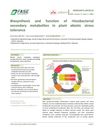
 Rhizobacterial strain RT3 helps lettuce survive drought by producing protective substances like proline.
January 2024 in “Wiadomości Lekarskie” Cosmetic products with antioxidants and regenerative ingredients can reduce skin aging symptoms.
 March 2026 in “Aging Research”
 Personalized anti-aging strategies are important, considering genetics and lifestyle.
 3 citations
,
October 2023 in “Frontiers in physiology”
3 citations
,
October 2023 in “Frontiers in physiology” ceRNA networks offer potential treatments for skin aging and wound healing.
 8 citations
,
July 2022 in “Frontiers in plant science”
8 citations
,
July 2022 in “Frontiers in plant science” pH changes are crucial for root hair growth because they affect enzymes and proteins that control the cell wall and growth.

Microorganisms improve plant root growth in acidic soils, boosting productivity.
 5 citations
,
January 1998 in “Journal of Toxicologic Pathology”
5 citations
,
January 1998 in “Journal of Toxicologic Pathology” Maneb causes delayed hair follicle damage in rats.
 9 citations
,
February 2021 in “Frontiers in Cell and Developmental Biology”
9 citations
,
February 2021 in “Frontiers in Cell and Developmental Biology” Older mice have stiffer skin with less elasticity due to changes in collagen and skin structure, affecting aging and hair loss.
July 2023 in “Ageing & Longevity” The document concludes that aging can be tackled by either slowing it down or eliminating its root cause.
9 citations
,
March 2015 in “The journal of investigative dermatology/Journal of investigative dermatology” The symposium concluded that understanding the molecular mechanisms of skin aging could lead to better clinical practices and treatments.
 193 citations
,
February 2015 in “Nature Communications”
193 citations
,
February 2015 in “Nature Communications” Fungi-produced compounds can change plant root growth.
February 2022 in “DOAJ (DOAJ: Directory of Open Access Journals)” Retinoic acid reduces cell damage from oxidative stress.
Highly concentrated water-soluble minerals improve health, cosmetics, and agriculture.
 March 2026 in “Psychosomatic Medicine and General Practice”
 Lower hardiness and resilience in mixed alopecia patients may predict more psychological distress.
 16 citations
,
December 2018 in “Plant Science”
16 citations
,
December 2018 in “Plant Science” Elevated CO2 can lessen the negative impact of water shortage on soybean roots and affects specific genes.
 December 2023 in “Journal of molecular structure”
 Hair treatments and dehydration affect hair's lipid and protein behavior, influencing its flexibility and appearance.
52 citations
,
February 2005 in “Biopolymers” Chemical hair straightening changes hair proteins and mostly fixes broken bonds.
October 2021 in “Scholarworks (University of Massachusetts Amherst)” FERONIA is crucial for plant growth, pollen tube reception, and sugar signaling.
 13 citations
,
September 2017 in “Oncotarget”
13 citations
,
September 2017 in “Oncotarget” A certain signaling pathway in mice, when increased, causes hair to gray by depleting the cells that give hair its color.
Hair can naturally regain color, and stress might influence greying and its reversal.