February 2013 in “Pediatrics in Review” The girl's symptoms suggest a complex condition that's hard to diagnose despite normal test results.
June 2025 in “British Journal of Dermatology” Nail abnormalities in children can indicate deeper health issues.
46 citations
,
September 2007 in “Journal of Investigative Dermatology”  15 citations
,
May 2003 in “The Laryngoscope”
15 citations
,
May 2003 in “The Laryngoscope” FGF-1 causes spiral ganglion neurites to branch more.
 34 citations
,
May 2021 in “Journal of Nanobiotechnology”
34 citations
,
May 2021 in “Journal of Nanobiotechnology” The 3D electrospun fibrous sponge is promising for tissue repair and healing diabetic wounds.
3 citations
,
October 1994 in “Medical Molecular Morphology” The lower part of rat vibrissa hair gets more blood and is well-protected for growth.
 April 2023 in “The journal of investigative dermatology/Journal of investigative dermatology”
 Deleting the Hoxc13 gene in frogs shows its crucial role in developing skin structures similar to hair.
 3 citations
,
July 2018 in “International Journal of Research -GRANTHAALAYAH”
3 citations
,
July 2018 in “International Journal of Research -GRANTHAALAYAH” Human hair and mouse whiskers emit similar biomagnetic fields.
 17 citations
,
September 2010 in “Pediatric dermatology”
17 citations
,
September 2010 in “Pediatric dermatology” A 15-year-old with KID syndrome developed a rare skin condition called PEHFN.
 245 citations
,
January 1998 in “Genes & Development”
245 citations
,
January 1998 in “Genes & Development” Hoxc13 gene is essential for hair, nail, and papilla development.
 March 2012 in “Journal of The American Academy of Dermatology”
 Hand-foot-mouth disease may cause nail loss in children.
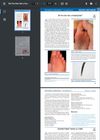 December 2022 in “The journal of pediatrics/The Journal of pediatrics”
 A young girl's foot lesion was actually a rare condition caused by a hair fragment under the skin, not a parasite.
11 citations
,
January 1977 in “Archives of dermatological research” Mouse tail skin has different keratinization near hair follicles and scales.
Light tickling can be unpleasant and may feel worse for individuals with autism.
 4 citations
,
April 2018 in “Biotechnology Letters”
4 citations
,
April 2018 in “Biotechnology Letters” Human growth factor 20 can boost mouse whisker growth.
166 citations
,
February 2020 in “Advanced Functional Materials” The smart bandage improved healing in diabetic mice by delivering drugs directly into wounds.
 October 2024 in “Cermin Dunia Kedokteran”
 Effective monitoring and prevention strategies are needed to manage the spread of hand, foot, and mouth disease in children.
 1 citations
,
April 2024 in “Dermatology Practical & Conceptual”
1 citations
,
April 2024 in “Dermatology Practical & Conceptual” Hair loss in male frontal fibrosing alopecia may spare areas covered by a wristwatch.
 April 2026 in “Experimental & Molecular Medicine”
 Mouse and human skin development share similar fibroblast timelines.
 37 citations
,
March 2005 in “Journal of Paediatrics and Child Health”
37 citations
,
March 2005 in “Journal of Paediatrics and Child Health” A hair strand caused a rare case of limb strangulation in a teenage girl with autism, and the condition is not always linked to child abuse.
 March 2026 in “bioRxiv (Cold Spring Harbor Laboratory)”
 Spiny mice have a unique skin structure that helps them heal and regenerate quickly.
55 citations
,
February 2013 in “The Anatomical Record” Mouse nails are similar to human nails, making them useful for studying nail diseases.
22 citations
,
September 2014 in “JAMA dermatology” Ichthyosis with confetti is a genetic skin disorder with consistent ectodermal malformations and various KRT10 gene mutations.
5 citations
,
January 2000 Pododermatitis in farmed mink is likely caused by an unknown infectious agent with secondary bacterial infection.
Spiny keratoderma is a rare skin condition with small spines on palms and soles, possibly linked to abnormal hair formation.
January 2016 in “Columbia Academic Commons (Columbia University)” Mammalian touch receptors have evolved to detect different features, enhancing our ability to perform various tasks and interact socially.
 6 citations
,
July 2015 in “Journal of Investigative Dermatology”
6 citations
,
July 2015 in “Journal of Investigative Dermatology” Chicken feather gene mutation helps understand human hair disorders.
18 citations
,
November 2007 in “Acta Veterinaria Hungarica” The ovine interdigital sinus has a complex structure with three layers and various skin-like features.
 May 2020 in “JOJ Dermatology & Cosmetics”
 A rare skin condition usually on the face was found on a man's heel.
8 citations
,
August 2017 in “Skin appendage disorders” Red dots on the upper chest may be an early sign of certain types of hair loss.