Search
for
Sort by
Research
660-690 / 1000+ results
research Hutchinson-Gilford syndrome: History, causes, phenotype and research advances
Hutchinson-Gilford Progeria Syndrome causes rapid aging from a genetic mutation, with no cure but ongoing research into potential treatments.
research The retarded hair growth ( rhg ) mutation in mice is an allele of ornithine aminotransferase ( Oat )
The rhg mutation in mice affects the Oat gene, causing hair growth issues and other symptoms.
research Nonclassic adrenal hyperplasia
Nonclassic adrenal hyperplasia is a genetic condition that can cause early puberty and fertility problems, treated with specific steroids.
research Fabrication of Bio-Based Gelatin Sponge for Potential Use as A Functional Acellular Skin Substitute
Crosslinked gelatin sponges show promise as skin substitutes for wound treatment.
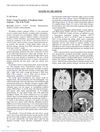
research Writer’s Cramp Presentation of Woodhouse–Sakati Syndrome – “Out of the Woods”
Woodhouse-Sakati syndrome can cause writer's cramp and other varied symptoms, highlighting the importance of genetic testing for diagnosis.
research 703 Anti-aging potential of gypenosides fraction obtained from naturally grown Gynostemma pentaphyllum in Ulleungdo Island and its 7 new gypenosides
Gypenosides from Gynostemma pentaphyllum were found to have anti-aging effects, increasing skin collagen and reducing wrinkles.

research The N‑K Healing Series: Complete Geometric Restoration for Wounds, Pain, and Burns PAIN-GM1, REGEN-GM1, and BURN-GM1 — Complete Geometric Analysis Using N‑K Universal Computer, 1 Million Virtual Injuries Simulated, 100% Accuracy Comparison with Mainstream Medicine — Why Current Treatments Fail and How N‑K Geometry Succeeds
N-K Geometric Medicine heals wounds, pain, and burns better and faster than current treatments, without side effects.

research The N‑K Healing Series: Complete Geometric Restoration for Wounds, Pain, and Burns PAIN-GM1, REGEN-GM1, and BURN-GM1 — Complete Geometric Analysis Using N‑K Universal Computer, 1 Million Virtual Injuries Simulated, 100% Accuracy Comparison with Mainstream Medicine — Why Current Treatments Fail and How N‑K Geometry Succeeds
N-K Geometric Medicine heals wounds, pain, and burns better and faster than current treatments, without side effects.
research Patch test positive results in patients with biopsy‐proven central centrifugal cicatricial alopecia
Allergens might contribute to CCCA, so avoiding them could help manage the condition.
research Deletion of an enhancer in FGF5 is associated with ectopic expression in goat hair follicles and the cashmere growth phenotype
A genetic change in the FGF5 gene affects hair growth in cashmere goats.

research Central centrifugal cicatricial alopecia in Black men: A case series highlighting key clinical features in this cohort
The document concludes that early and accurate diagnosis of hair loss on the top of the scalp in Black men is important to distinguish CCCA from other types of hair loss.
research General adverse response to cyclophosphamide in Chinese patients with systemic autoimmune diseases in recent decade — a single-center retrospective study
Cyclophosphamide often causes gastrointestinal issues, hair loss, and low blood cell counts in Chinese patients with autoimmune diseases.

research Molecular mechanisms underlying cashmere quality differences between Jiangnan cashmere goats and Changthangi pashmina goats
Cashmere quality differences are due to gene expression variations affecting hair development and adaptation to cold.
research Transglutaminase from Hair Follicle of Guinea Pig
A unique enzyme in guinea pig hair follicles helps form protein cross-links in hair.
research Central Centrifugal Cicatricial Alopecia: New Insights and a Call for Action
Hair loss in black women needs more research, early intervention, and community education.
research Granular Parakeratosis of the Eccrine Ostium: A Case Report
Accurate diagnosis of granular parakeratosis is crucial for effective treatment and improvement.
research RNA-Seq Reveals the Roles of Long Non-Coding RNAs (lncRNAs) in Cashmere Fiber Production Performance of Cashmere Goats in China
lncRNAs influence cashmere fiber traits like diameter and color in goats.
research Non-classical Congenital Adrenal Hyperplasia Presenting With Severe Androgenic Alopecia: A Case Report
Early diagnosis and treatment of NCCAH can improve symptoms and fertility.
research Melanocytes from the outer root sheath of human hair and epidermal melanocytes display improved melanotic features in the niche provided by cGEL, oligomer-cross-linked gelatin-based hydrogel
cGEL hydrogel improves melanin production in skin cells, making it a promising option for skin treatments.
research Multi-Walled Carbon Nanotubes Can Promote Brassica napus L. and Arabidopsis thaliana L. Root Hair Development through Nitric Oxide and Ethylene Pathways
Multi-walled carbon nanotubes can enhance root hair growth in certain plants by affecting nitric oxide and ethylene pathways, but only at specific concentrations.

research HDAC6-dependent deacetylation of NGF dictates its ubiquitination and maintains primordial follicle dormancy
HDAC6 helps keep ovarian follicles dormant, extending female fertility.
research Analysis of Genetic Diversity and Construction of a Core Collection of Ginkgo biloba Germplasm Using EST-SSR Markers
Ginkgo biloba has high genetic diversity, useful for future breeding.
research Werner′s syndrome
Werner's syndrome causes early aging and increases cancer risk, requiring early diagnosis and symptom management.
research Whole-genome sequencing of eight goat populations for the detection of selection signatures underlying production and adaptive traits
Researchers identified genes linked to coat color, body size, cashmere production, and high altitude adaptation in goats.
research ADT-G as a promising biomarker for peripheral hyperandrogenism in adult female acne
ADT-G may be a useful indicator of increased androgen levels in women with acne and can be lowered with certain birth control pills.
research Wild geladas (Theropithecus gelada) in crops—more than in pasture areas—reduce aggression and affiliation
Wild geladas in crop areas show less grooming and aggression.
research Implementation of the JCCP Premises Standards for cosmetic interventions
The JCCP's Premises Standards aim to make non-surgical cosmetic treatments safer and higher quality.
research Accessibility and Insurance Coverage for Gender-affirming Surgery in Canada: A Cross-Sectional Analysis
There is unequal access to gender-affirming surgeries in Canada, with a need for better coverage and specialized programs.

research Production of a 135-residue long N-truncated human keratinocyte growth factor 1 in Escherichia coli
KGF-1 135 is a stable and effective alternative for treating oral mucositis.