Search
for
Sort by
Research
420-450 / 1000+ resultsresearch A New Case of Isolated Trichothiodystrophy
A rare case of isolated trichothiodystrophy was identified, marked by brittle hair with low sulfur content.
research 575 Senescent atrophic epidermis retains Lrig1+ stem cells and loses Wnt signaling, a phenotype shared with CD44KO mice
research Features of Irradiated Skeletal Muscle on Mohs Frozen Section Examination
research Pili annulati with fragility: Electron microscopic findings of a case
The study found that hair fragility in Pili annulati may be caused by cavities and damage within the hair shafts.

research Trichoscopic features of androgenetic alopecia according to the basic and specific (BASP) classification: A retrospective observational study
Trichoscopy helps detect and monitor androgenetic alopecia by identifying key scalp signs.
research Scalp Medical Tattooing Technique to Camouflage Bifid Parietal Whorls
Scalp medical tattooing effectively camouflages bifid parietal whorls.
research The stretched scar: the benefit of prolonged dermal support
Leaving non-absorbable sutures in for 6 months reduces scar stretching and width.
research Study on the expression patterns of inner root sheath-specific genes in Tan sheep hair follicle during different developmental stages
IRS-specific genes in Tan sheep hair follicles peak at birth and may affect wool crimp.
research AN ULTRASTRUCTURAL POSTNATAL DEVELOPMENTAL STUDY OF THE INTEGUMENT OF THE PIG (SUS SCROFA)
Pig skin is similar to human skin, with no major changes as they age.
research DataSheet1_Single-Cell Transcriptomics Reveals the Molecular Anatomy of Sheep Hair Follicle Heterogeneity and Wool Curvature.zip
Sheep hair follicle development and wool curvature are influenced by specific cell types and gene expressions.

research Case Report: Bi-allelic missense variant in the desmocollin 3 gene causes hypotrichosis and recurrent skin vesicles
A new genetic change in the DSC3 gene is linked to a rare condition causing hair loss and skin blisters in a child.
research Distinguishing histopathologic features of acantholytic dermatoses and the pattern of acantholytic hypergranulosis
Different skin diseases show unique patterns of skin cell separation, cell death, and granular layer changes.
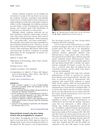
research Hypertrichosis around a leg ulcer being treated with prostaglandin E1 ointment
A woman's excessive hair growth around a leg ulcer was linked to a treatment with Prostaglandin E1 ointment.
research Temporal triangular alopecia: significance of trichoscopy in differential diagnosis
Trichoscopy is reliable for diagnosing Temporal Triangular Alopecia and can prevent unnecessary biopsies and wrong treatments.
research Atrichia with papular lesions in two Pakistani consanguineous families resulting from mutations in the human hairless gene
research Physiological and biological skin changes in pregnancy
Pregnancy causes skin changes like darkening, hair thickening, nail changes, and increased risk of skin growths, most of which usually resolve after birth.
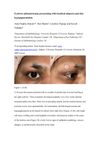
research Eyebrow Pilomatrixoma Presenting With Localized Alopecia and Skin Hypopigmentation
A pilomatrixoma in the eyebrow can cause hair loss and skin lightening.
research A case of pili torti in a young adult domestic short-haired cat
A young cat had a rare hair condition with twisted hair shafts but stayed healthy.
research Scanning Electron Microscopic Study on Collagen Fibrils in the Mink Dermis during the Hair Cycle and Growth
Collagen fibrils in mink skin change structure during hair growth, becoming looser and thicker in the active phase.
research LB965 Follicular trochanters: A potential mechanism for stem cell depletion in scarring alopecia
Hair follicle bumps with stem cells might contribute to permanent hair loss by getting disconnected due to scarring.

research Hair follicle morphogenesis and epidermal homeostasis in we/we wal/wal mice with postnatal alopecia
The we/we wal/wal mice have defects in hair growth and skin layer formation, causing hair loss, useful for understanding alopecia.
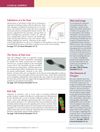
research Clinical Snippets
Melanoma risk tools need improvement, certain gene mutations cause skin diseases and could be treated by targeting those mutations, skin wrinkling may relate to lung aging due to genetic factors, and oxidative stress affects hair loss but can be reduced in low oxygen.
research Skin iconography analysis of traumatic anserine folliculosis: Skin image feature of TAF
TAF can be identified by excessive skin thickening and clogged hair follicles, helping distinguish it from similar skin conditions.
research Rectangular-patterned occipital alopecia areata: A report of three cases
Sudden, unusual hair loss may indicate serious underlying health issues.
research Characterization of tiger tail banding and hair shaft abnormalities in trichothiodystrophy
Tiger tail banding and hair abnormalities are reliable indicators for diagnosing trichothiodystrophy.
research The Association between Number of Follicular Stelae and Severity and Treatment Response of Alopecia Areata Cases: A Retrospective Study
More severe alopecia areata is linked to more follicular stelae, but not to treatment response.
research Localized Scleroderma morphea-like in a cat.
The cat's skin condition was resistant to treatment and did not improve.

research Prognosis and Management of Congenital Hair Shaft Disorders with Fragility—Part I
Some congenital hair disorders improve in childhood or with treatments like minoxidil and retinoids, while others like Netherton syndrome and trichothiodystrophy have a poor prognosis.
research Acquired localized hypertrichosis.
A girl grew extra hair in areas where she had insect bites.