August 2025 in “Journal of Cosmetic Dermatology” Hairline transplants improve forehead appearance and satisfaction in East Asian women.
 31 citations
,
March 2011 in “Dermatologic Surgery”
31 citations
,
March 2011 in “Dermatologic Surgery” The new hairline classification and correction methods can improve the appearance of Asian women with wide or M-shaped foreheads.
 September 2019 in “Journal of The American Academy of Dermatology”
 Using a microfoam plaster on the forehead helps prevent eyelid swelling after hair transplant surgery.
 3 citations
,
April 2016 in “Dermatologic Surgery”
3 citations
,
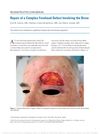
April 2016 in “Dermatologic Surgery” A man's forehead and eyebrow were successfully reconstructed with a skin and hair graft that matched his other eyebrow, without needing frequent trimming.
13 citations
,
July 2004 in “Pediatric dermatology” A new severe form of monilethrix syndrome includes hair loss, scalp itching, cataracts, and distinct facial features.
 3 citations
,
April 2011 in “Dermatologic Surgery”
3 citations
,
April 2011 in “Dermatologic Surgery” Different women have various natural hairline shapes, and understanding this is important for designing hair transplants.
 July 2021 in “Archives of Aesthetic Plastic Surgery”
 The combined surgery effectively rejuvenates the upper face without serious complications.
 131 citations
,
September 2010 in “The Laryngoscope”
131 citations
,
September 2010 in “The Laryngoscope” Forehead modification greatly increases the perception of femininity and is a safe procedure.
 8 citations
,
October 2005 in “Otolaryngologic Clinics of North America”
8 citations
,
October 2005 in “Otolaryngologic Clinics of North America” The document concludes that successful management of eyebrow and forehead ptosis requires a thorough approach, considering anatomy, patient evaluation, and careful selection of surgical techniques.
 March 2026 in “Clinical Cosmetic and Investigational Dermatology”
 Effective hair removal is crucial for better cosmetic results in forehead flap reconstruction, with laser hair removal being the preferred method.
EFBL offers hidden incisions, faster recovery, and fewer risks, but may raise hairline and cost more.
 January 2012 in “Current Therapy In Oral and Maxillofacial Surgery”
 Endoscopic forehead and brow lifting safely and consistently improves aged eyebrows, but may have complications.
 29 citations
,
March 2023 in “European Journal of Human Genetics”
29 citations
,
March 2023 in “European Journal of Human Genetics” New genetic factors linked to acne risk were discovered, highlighting the role of certain pathways and genes.
 3 citations
,
February 2025 in “Journal of PHYSIOLOGICAL ANTHROPOLOGY”
3 citations
,
February 2025 in “Journal of PHYSIOLOGICAL ANTHROPOLOGY” Certain genes are linked to skin aging, like wrinkles and pigmentation changes.
 196 citations
,
March 2016 in “Nature Communications”
196 citations
,
March 2016 in “Nature Communications” Genetic factors influence hair traits like shape, color, and greying in Latin Americans.
 3 citations
,
December 1987 in “The Journal of Dermatologic Surgery and Oncology”
3 citations
,
December 1987 in “The Journal of Dermatologic Surgery and Oncology” Understanding facial anatomy and aesthetics is key for good functional and cosmetic outcomes after tumor removal surgery on the forehead and eyebrow.
 February 2024 in “bioRxiv (Cold Spring Harbor Laboratory)”
 Tandem repeats significantly influence hair color, especially darker shades, across different ancestries.
 12 citations
,
July 2008 in “Facial Plastic Surgery Clinics of North America”
12 citations
,
July 2008 in “Facial Plastic Surgery Clinics of North America” The document concludes that careful planning and consideration of male brow anatomy are essential for successful facial rejuvenation with cosmetic surgery.
 6 citations
,
July 2007 in “Aesthetic Surgery Journal”
6 citations
,
July 2007 in “Aesthetic Surgery Journal” The document concludes that using autologous follicular unit implantation is a successful method to correct hairline deformities after facial rejuvenation.
 22 citations
,
October 2014 in “International Journal of Trichology”
22 citations
,
October 2014 in “International Journal of Trichology” Hair restoration surgery can lead to swelling, infections, scarring, numbness, hiccups, and poor hair growth.
 15 citations
,
November 2008 in “Facial Plastic Surgery”
15 citations
,
November 2008 in “Facial Plastic Surgery” Hair restoration can sometimes result in unnatural-looking hair, wide scars, and poorly designed hairlines, but these issues can be corrected with careful planning, various techniques, and possibly medical therapy.
9 citations
,
June 2013 in “Journal of Cosmetic Dermatology” Lateral oblique forehead lines are caused by muscle movement, not sleep positions, and can be treated with botulinum toxin A.
 2 citations
,
January 2020 in “Elsevier eBooks”
2 citations
,
January 2020 in “Elsevier eBooks” The document concludes that individualized Facial Feminization Surgery plans and comprehensive care are crucial for successful outcomes.
 1 citations
,
June 2017 in “Journal of The American Academy of Dermatology”
1 citations
,
June 2017 in “Journal of The American Academy of Dermatology” PRP treatment for hair loss shows promise, with 58% of patients satisfied and most noticing improvement within 6 months.
 January 2017 in “Elsevier eBooks”
 The document concludes that choosing the right forehead and brow lifting technique based on individual patient characteristics is crucial to prevent complications and achieve desired results.
Protein profiling of forehead skin can help distinguish between frontal fibrosing alopecia and androgenetic alopecia.
 16 citations
,
April 2018 in “Animal Genetics”
16 citations
,
April 2018 in “Animal Genetics” Researchers found two genes that may explain why some Casertana pigs don't have hair.
 134 citations
,
June 2012 in “International Journal of Oral and Maxillofacial Surgery”
134 citations
,
June 2012 in “International Journal of Oral and Maxillofacial Surgery” Facial feminization surgery is effective in helping transgender women appear more feminine and has high patient satisfaction.
 15 citations
,
September 2021 in “Archives of Plastic Surgery”
15 citations
,
September 2021 in “Archives of Plastic Surgery” The document concludes that facial feminization surgery improves psychological well-being and social acceptance for transgender individuals.
 141 citations
,
November 2005 in “International journal of pharmaceutics”
141 citations
,
November 2005 in “International journal of pharmaceutics” Hair follicles may soon be used more for targeted and systemic drug delivery.