Understanding wound healing and signaling pathways could lead to new alopecia treatments.
 November 2023 in “Zenodo (CERN European Organization for Nuclear Research)”
 The dataset includes detailed genetic information from mouse skin cells before and after injury.
 November 2023 in “Zenodo (CERN European Organization for Nuclear Research)”
 The dataset includes detailed genetic information from mouse skin cells before and after injury.
July 2024 in “Journal of Investigative Dermatology” JW0061 may be a new treatment for hair loss by promoting hair growth through WNT signaling.
 April 2010 in “The Journal of Urology”
 Human prostate cells produce more WISP1/CCN4 when there's not enough oxygen.
6 citations
,
October 2024 in “Frontiers in Bioengineering and Biotechnology” A special hydrogel helps stem cells heal wounds better by boosting growth factors.
19 citations
,
January 2015 in “Development” Hoxc8 gene helps start mammary gland development by controlling specific signals.
 April 2016 in “Journal of Investigative Dermatology”
 Tumor cell adhesion is linked to higher risk of SLN metastasis and melanoma recurrence, and a model including these factors predicts these outcomes better than one with just clinical data.
 2 citations
,
September 2023 in “PLoS biology”
2 citations
,
September 2023 in “PLoS biology” Newly divided skin cells quickly move to join skin structures due to tissue tension and specific signals.
 13 citations
,
February 2010 in “Stem Cell Reviews and Reports”
13 citations
,
February 2010 in “Stem Cell Reviews and Reports” Stem cells compete for space using cell adhesion, and mutations can affect their competitive success, with implications for tissue health and disease.
 January 2018 in “Stem cell biology and regenerative medicine”
 The conclusion is that the nuclear lamina and LINC complex in skin cells respond to mechanical signals, affecting gene expression and cell differentiation, which is important for skin health and can impact skin diseases.
20 citations
,
December 2013 in “PLoS ONE” β1 integrin is essential for the survival, growth, and movement of human epithelial progenitor cells.
46 citations
,
June 2013 in “Journal of structural biology” High glycine–tyrosine keratin-associated proteins help make hair strong and maintain its shape.
7 citations
,
May 1993 in “Journal of the European Academy of Dermatology and Venereology” Cell adhesion molecules are important in the development of certain skin diseases.
 375 citations
,
February 2006 in “Journal of Cell Science”
375 citations
,
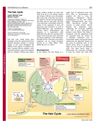
February 2006 in “Journal of Cell Science” The document concludes that the hair cycle is a complex process involving growth, regression, and rest phases, regulated by various molecular signals.
 103 citations
,
January 2006 in “Journal of Cell Science”
103 citations
,
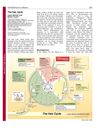
January 2006 in “Journal of Cell Science” The document concludes that the hair cycle is a complex process involving growth, regression, and rest phases, regulated by various molecular signals.
 20 citations
,
July 2013 in “European Journal of Oral Sciences”
20 citations
,
July 2013 in “European Journal of Oral Sciences” A new PAX9 gene mutation causes missing teeth and hair problems, but not skin or nail issues.
 14 citations
,
January 2018 in “Scientific reports”
14 citations
,
January 2018 in “Scientific reports” Bioluminescence imaging can track hair follicle cells and help study hair regrowth.
 1 citations
,
June 2013 in “Science-business Exchange”
1 citations
,
June 2013 in “Science-business Exchange” Increasing the levels of a protein called FGF9 can promote hair growth, but humans may not respond the same way due to a lack of certain cells.
 April 2026 in “Journal of the Korean Society of Cosmetology”
 Limosilactobacillus reuteri from honeybees may promote hair growth by activating a specific cell pathway.
January 1969 in “Santes Creus: Boletín del Archivo Bibliográfico de Santes Creus” Planarians regenerate using conserved gene expression mechanisms, with runt-1 crucial for cell type specification.
ISX9 helps regrow hair by activating a specific cell signaling pathway.
A comprehensive human skin cell atlas was created to better understand skin biology and disease.
 May 2015 in “Journal of Investigative Dermatology”
 Wnt-3a helps grow more skin stem cells, which could lead to new hair loss treatments.
 41 citations
,
August 2015 in “The FASEB Journal”
41 citations
,
August 2015 in “The FASEB Journal” Blocking the Wnt/β‐catenin pathway can speed up wound healing, reduce scarring, and improve cartilage repair.
 1 citations
,
January 2020
1 citations
,
January 2020 Ift20 is essential for hair follicle function and skin cell movement.
990 citations
,
October 1999 in “Development” Activated LEF/TCF complexes are crucial for hair development and cycling.
 87 citations
,
September 2019 in “Nature Communications”
87 citations
,
September 2019 in “Nature Communications” SOX11 and SOX4 help skin cells act like embryonic cells to heal wounds in mice.
 September 2025 in “Wound Repair and Regeneration”
 Understanding how new hair follicles form after skin injury could help prevent scars.
 3 citations
,
August 2012 in “Nature Cell Biology”
3 citations
,
August 2012 in “Nature Cell Biology” Certain proteins help nerve cells branch, and other findings relate to cancer, stem cell behavior, and cell division.