24 citations
,
March 2020 in “Cells” Natural small molecules can help treat diseases by activating or inhibiting the Wnt pathway.
 January 2025 in “BMC Genomics”
 Long non-coding RNAs help regulate wool fineness in Gansu alpine fine-wool sheep.
 181 citations
,
January 2009 in “Nature Genetics”
181 citations
,
January 2009 in “Nature Genetics” Certain mutations in a hair growth-related gene cause a type of genetic hair loss.
23 citations
,
January 2018 in “PLoS ONE” The Wnt signaling pathways change significantly during chick feather development, especially between days 6 and 14.
 56 citations
,
February 2010 in “PLOS ONE”
56 citations
,
February 2010 in “PLOS ONE” Blocking Wnt signaling in young mice causes thymus shrinkage and cell loss, but recovery is possible when the block is removed.
 245 citations
,
January 1998 in “Genes & Development”
245 citations
,
January 1998 in “Genes & Development” Hoxc13 gene is essential for hair, nail, and papilla development.
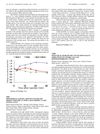 April 2010 in “The Journal of Urology”
 Human prostate cells produce more WISP1/CCN4 when there's not enough oxygen.
The naked mutation in mice causes hair loss and helps identify keratin genes.
78 citations
,
May 2012 in “Journal of Investigative Dermatology” A specific gene mutation causes woolly hair and hair loss.
 9 citations
,
December 2002 in “Novartis Foundation Symposium”
9 citations
,
December 2002 in “Novartis Foundation Symposium” LEF1 is essential for the development of airway glands and is regulated by the Wnt/ß-catenin pathway.
 19 citations
,
January 2018 in “BioMed Research International”
19 citations
,
January 2018 in “BioMed Research International” miR-195-5p reduces hair growth ability in cells by blocking a specific growth signal.
53 citations
,
October 2003 in “Genetics” The mK6irs1/Krt2-6g gene likely causes wavy hair in mice.
 April 2008 in “Expert review of dermatology”
 Mutations in the P2RY5 gene cause hereditary woolly hair.
 April 2017 in “Journal of Investigative Dermatology”
 Dermal Wnt/β-catenin signaling is important for the proper size and development of hair follicles.
 7 citations
,
August 2020 in “Animal biotechnology”
7 citations
,
August 2020 in “Animal biotechnology” A specific RNA in cashmere goats helps improve hair growth by interacting with certain molecules.
 89 citations
,
November 2017 in “Journal of Cellular Physiology”
89 citations
,
November 2017 in “Journal of Cellular Physiology” The Wnt/β-catenin pathway is important for tissue development and has potential in regenerative medicine, but requires more research for therapeutic use.
7 citations
,
May 2022 in “Cancers” UC.145 may be a new biomarker for predicting gastric cancer.
 4 citations
,
May 2020 in “Cureus”
4 citations
,
May 2020 in “Cureus” A new genetic mutation causing Werner's syndrome was found in an Indian man.
33 citations
,
October 2020 in “Frontiers in Cell and Developmental Biology” Wnt/β-catenin signaling is crucial for early zebrafish brain regeneration.
8 citations
,
November 2025 in “Journal of Translational Medicine” Targeted protein degradation could improve cancer treatment by effectively targeting the Wnt pathway.
November 2024 in “Journal of Investigative Dermatology” Genetic defects in the Wnt/PCP pathway may cause congenital yellow nail syndrome.
 23 citations
,
June 2015 in “Journal of Tissue Engineering and Regenerative Medicine”
23 citations
,
June 2015 in “Journal of Tissue Engineering and Regenerative Medicine” Wnt1a helps keep cells that can grow hair effective for potential hair loss treatments.
 74 citations
,
January 2013 in “Journal of Investigative Dermatology”
74 citations
,
January 2013 in “Journal of Investigative Dermatology” Four genetic risk spots found for hair loss, with WNT signaling involved and a link to curly hair.
 35 citations
,
February 2019 in “Cell Communication and Signaling”
35 citations
,
February 2019 in “Cell Communication and Signaling” BMP6 and Wnt10b control whether hair follicles are resting or growing.
25 citations
,
October 2000 in “Gene” Gene regulatory regions evolve faster than protein coding regions, allowing new gene relationships without changing transcription factors.
48 citations
,
August 1998 in “Developmental Biology” Deleting part of a gene in mice causes wavy hair and high pup loss.
 8 citations
,
December 2017 in “Skin appendage disorders”
8 citations
,
December 2017 in “Skin appendage disorders” WNT7A gene expression is higher in early stages of androgenetic alopecia, showing the role of WNT pathway, apoptosis, and inflammation in the disorder.
August 2022 in “Biomedicines” Turning off the Lhx2 gene in mouse embryos leads to slower wound healing and scars.
 February 2023 in “PubMed”
 The Wnt/β-catenin signaling pathway is important for skin wound healing and affects inflammation, cell growth, and other healing processes.
 86 citations
,
October 2005 in “Experimental Dermatology”
86 citations
,
October 2005 in “Experimental Dermatology” The Foxn1 gene mutation causes hairlessness and immune system issues, and understanding it could lead to hair growth disorder treatments.