 March 2024 in “Research Square (Research Square)”
 The TT genotype of a specific SNP in sheep is linked to better wool quality.
25 citations
,
November 2012 in “Thermochimica Acta” Internal lipids in keratin fibers, like wool and hair, reduce water absorption and release.
 October 2023 in “Cell & bioscience”
 A special gene region controls the re-emergence of a primitive wool type in Merino sheep, improving their wool yield and adaptability.
 June 2023 in “Historical records of Australian science/Historical Records of Australian Science”
 George Ernest Rogers was a notable scientist who made important discoveries about hair and wool proteins.
83 citations
,
May 2011 in “Experimental Dermatology” Sheep have 17 keratin genes, similar to humans, but with different expression patterns affecting wool and hair.
4 citations
,
September 2003 in “Livestock Production Science” Epidermal growth factor reduces hair growth, but cortisol does not.
25 citations
,
September 2014 in “SpringerPlus” Sheep have a unique gene, KAP8-2, that humans don't have, which may affect wool properties.
16 citations
,
January 2015 in “Genetics and Molecular Research” The research helps improve wool quality and aids human hair research.
1 citations
,
January 2021 in “Springer Proceedings in Materials” Researchers developed a new method to clearly see and label hair proteins with minimal errors using advanced freezing and microscopy techniques.
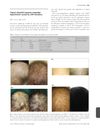
May 2025 in “Apollo Medicine” Trichoscopy is a useful tool for diagnosing and assessing the severity of alopecia areata.
March 2021 in “World rabbit science” Adding 0.2% taurine to Angora rabbits' diet improves wool production and overall health.
Sheep can lose wool quickly due to stress, but it doesn't cause itching or pain.
95 citations
,
March 2009 in “Differentiation” Gene expression in wool follicles changes with growth cycles, offering insights into wool and human hair growth.
 7 citations
,
March 2015 in “British Journal of Dermatology”
7 citations
,
March 2015 in “British Journal of Dermatology” Applying minoxidil can help improve hair growth in people with hair loss caused by LIPH gene mutations.
 October 2014 in “Springer eBooks”
 Rabbit hair fibers are similar to wool and have a hollow center like feathers.
18 citations
,
August 2015 in “International Journal of Molecular Sciences” Ovine hair follicle stem cells can regenerate haired skin and may improve wool production.
10 citations
,
July 2022 in “Electronic Journal of Biotechnology” Lower IGFBP4 promoter methylation is linked to finer wool in sheep.
7 citations
,
January 1959 in “Canadian Journal of Chemistry” Human and horse hair have similar end groups to wool and feathers.
 April 2025 in “Ukrainian Journal of Veterinary and Agricultural Sciences”
 Adding a water-soluble fatty acid complex to sheep diets improves wool growth by increasing primary hair follicle size and density.
14 citations
,
April 2016 in “PloS one” The KRTAP11-1 gene promoter is crucial for specific expression in sheep wool cortex.
2 citations
,
January 2025 in “Veterinary Dermatology” Male Pomeranians with woolly coats are more likely to develop alopecia X.
 8 citations
,
May 2004 in “Textile Research Journal”
8 citations
,
May 2004 in “Textile Research Journal” Scientists made antibodies to tell cashmere and wool apart, which could improve how we identify animal fibers.
26 citations
,
December 1999 in “Journal of Investigative Dermatology” Certain genes are linked to wool follicle structure and function, but not hair cycle regulation.
 21 citations
,
January 1995 in “Journal of the American Institute for Conservation”
21 citations
,
January 1995 in “Journal of the American Institute for Conservation” A new method extracts red dyes from wool without damaging it, although it slightly weakens the wool.
8 citations
,
December 2022 in “BMC Genomics” The research improved understanding of yak hair growth to help use yak wool better.
13 citations
,
June 2024 in “BMC Genomics” The research helps understand hair development in sheep, aiding in better wool breeding.
 January 2009 in “Nihon Keshouhin Gijutsushakaishi/Journal of S C C./Nihon Keshouhin Gijutsushakai kaishi”
 Curved human hair has different structures on each side, which might cause its shape and is similar to wool.
 25 citations
,
February 2019 in “Genomics”
25 citations
,
February 2019 in “Genomics” Cashmere and milk goats have different hair growth cycles and gene expressions, which could help improve wool production.
 13 citations
,
January 1995 in “Journal of the American Institute for Conservation”
13 citations
,
January 1995 in “Journal of the American Institute for Conservation” Researchers developed a less damaging way to extract red dyes from wool using EDTA and DMF, preserving the fiber's strength for further analysis.
9 citations
,
January 1981 Nucleophilic reagents break down hair keratin, forming more lanthionine and lysinoalanine than in wool.