 6 citations
,
October 2020 in “Endocrine journal”
6 citations
,
October 2020 in “Endocrine journal” A patient with Werner syndrome showed a range of aging-like symptoms and metabolic issues, underscoring the need for early detection and treatment.
 4 citations
,
May 2020 in “Cureus”
4 citations
,
May 2020 in “Cureus” A new genetic mutation causing Werner's syndrome was found in an Indian man.
37 citations
,
January 2010 in “Journal of Clinical Investigation” N-WASP is essential for normal hair growth in mice.
September 2015 in “Turkish Journal of Endocrinology and Metabolism” Consider Werner syndrome in young patients with early aging signs and metabolic issues.
13 citations
,
January 2024 in “Journal of Nanobiotechnology” The new wound dressing improves healing and tissue repair better than conventional dressings.
6 citations
,
October 2020 in “Frontiers in cell and developmental biology” WWOX deficiency in mice causes skin and fat tissue problems due to disrupted cell survival signals.
11 citations
,
July 2021 in “Genetics selection evolution” Researchers found genes and genetic variants linked to sheep wool and skin wrinkles.
9 citations
,
July 2022 in “Journal of Biological Chemistry” WWP2 is crucial for tooth development in mice.
 January 2026 in “Frontiers in Pharmacology”
 Wedelolactone may help treat inflammation, infections, cancer, bone loss, and organ damage.
 36 citations
,
June 2021 in “Experimental & Molecular Medicine”
36 citations
,
June 2021 in “Experimental & Molecular Medicine” Targeting Hedgehog signaling may help treat ligamentum flavum fibrosis.
Mechanical stress causes ligament thickening through WISP-1 and Hedgehog signaling.
 November 2022 in “Van Sağlık Bilimleri Dergisi”
 Turkish Van cats' genotypes don't affect traits like eye color or hair length.
 23 citations
,
January 2017 in “Current Rheumatology Reports”
23 citations
,
January 2017 in “Current Rheumatology Reports” Unique fat cells near fibrotic areas contribute to systemic sclerosis progression.
 April 2010 in “The Journal of Urology”
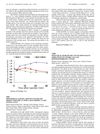
 Human prostate cells produce more WISP1/CCN4 when there's not enough oxygen.
51 citations
,
August 2013 in “The Journal of experimental medicine/The journal of experimental medicine” Loss of a specific protein in skin cells causes symptoms similar to psoriasis.
2 citations
,
September 2022 in “World Rabbit Science” The WIF1 gene is crucial for hair growth in Angora rabbits.
 October 2024 in “Skin Research and Technology”
 Extracorporeal shock waves significantly improve hair growth in women with female pattern hair loss.
 1 citations
,
November 2023 in “Biomaterials advances”
1 citations
,
November 2023 in “Biomaterials advances” Sponges made of soy protein and β-chitin with human cells from hair or fat can speed up healing of chronic wounds.
1 citations
,
September 2011 in “Journal of the American Geriatrics Society” A potential genetic link between Werner syndrome and kidney disease was suggested.
 91 citations
,
December 2010 in “Stem Cells”
91 citations
,
December 2010 in “Stem Cells” Wnt signaling helps control how brain stem cells divide and is important for brain repair after injury.
Wavy sinus hairs in cats are linked to feline leukemia virus infection.
 1 citations
,
September 2023 in “British journal of dermatology/British journal of dermatology, Supplement”
1 citations
,
September 2023 in “British journal of dermatology/British journal of dermatology, Supplement” WNT10A gene mutations cause short anagen hair syndrome.
 6 citations
,
July 2007 in “Developmental Dynamics”
6 citations
,
July 2007 in “Developmental Dynamics” The molecule Wise is involved in the development of various structures in chick embryos.
 November 2025 in “Frontiers in Animal Science”
 A new model accurately predicts water intake in hair sheep using dry matter intake.
 September 2025 in “Australian Journal of Herbal and Naturopathic Medicine”
 Ashwagandha is safe and effective for reducing perimenopausal symptoms.
 July 2025 in “SKIN The Journal of Cutaneous Medicine”
 Ashwagandha may help with skin and hair issues, but more research is needed.
 December 2025 in “Biological and Clinical Sciences Research Journal”
 The Waris Hairline Dot Technique is highly effective, natural-looking, and has minimal recovery issues.
 March 2025 in “Advanced Healthcare Materials”
 The dressing speeds up wound healing using sound waves without needing extra devices.
Wnt10b promotes hair growth, while SFRP2 inhibits it in Wanxi Angora rabbits.
November 2022 in “Skin appendage disorders” The Spanish version of the WAA-QoL questionnaire is reliable and valid for assessing quality of life in women with hair loss.