 2 citations
,
December 2020 in “American Journal of Dermatological Research and Reviews”
2 citations
,
December 2020 in “American Journal of Dermatological Research and Reviews” The combination therapy was effective and well-tolerated, especially in young patients.
 1 citations
,
April 2019 in “Journal of Investigative Dermatology”
1 citations
,
April 2019 in “Journal of Investigative Dermatology” Dupilumab is effective and safe for treating moderate-to-severe atopic dermatitis in adolescents.
 7 citations
,
December 2021 in “European Respiratory Review”
7 citations
,
December 2021 in “European Respiratory Review” The document concludes that diagnosing and treating Interstitial Pneumonia with Autoimmune Features (IPAF) is challenging, needs a multidisciplinary approach, and further research for better diagnostic criteria and treatments. It also emphasizes regular checks for Connective Tissue Disease symptoms in all patients with Interstitial Lung Disease.
9 citations
,
March 2008 in “British Journal of Dermatology” Efalizumab can cause unexpected excessive hair growth.
 December 2025 in “Dermatology The American Medical Journal”
 JAK inhibitors are effective for long-term management of alopecia areata.
 April 2024 in “Journal of asthma and allergy”
 Abrocitinib effectively treated severe atopic dermatitis and mild alopecia areata in a 12-year-old boy after dupilumab failed.
March 2026 in “Brazilian Journal of Animal and Environmental Research” Deslorelin can help control reproduction and improve hair growth in German Spitz dogs.
1 citations
,
April 2024 in “Anais Brasileiros de Dermatologia” 31 citations
,
May 2017 in “JAAD Case Reports” ATX-101 injections can cause hair loss.
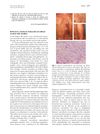 7 citations
,
June 2010 in “Journal of The American Academy of Dermatology”
7 citations
,
June 2010 in “Journal of The American Academy of Dermatology” Tranilast successfully treated a man's skin sarcoidosis when other treatments failed.
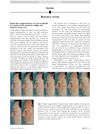 157 citations
,
December 2015 in “Journal of the American Academy of Dermatology”
157 citations
,
December 2015 in “Journal of the American Academy of Dermatology” A man with vitiligo and alopecia saw quick skin and hair improvement with ruxolitinib, but skin color gains were lost after stopping treatment.
 5 citations
,
July 2020 in “Journal of the American Academy of Dermatology”
5 citations
,
July 2020 in “Journal of the American Academy of Dermatology” Adding antihistamines to topical corticosteroid and cryotherapy may improve hair regrowth in alopecia areata patients.
9 citations
,
September 2019 in “Clinical Cosmetic and Investigational Dermatology” Cal/BD aerosol foam effectively treats scalp psoriasis, improving symptoms and patient satisfaction.
9 citations
,
January 2013 in “Indian journal of dermatology, venereology, and leprology” Infliximab may cause hair loss in Crohn's disease patients.
 October 2024 in “International Journal of Medical Arts”
 Corticosteroids regrow hair better and faster than pentoxifylline for alopecia areata.
 9 citations
,
May 2021 in “International Journal of Dermatology”
9 citations
,
May 2021 in “International Journal of Dermatology” The trial showed that a new under-the-tongue treatment for severe hair loss was somewhat effective in a small group of people.
1 citations
,
January 2024 in “Journal of Feline Medicine and Surgery Open Reports” Fluralaner topical spot-on successfully treated a cat's hair shedding and scales caused by Demodex gatoi.
 4 citations
,
November 2021 in “Journal of Cosmetic Dermatology”
4 citations
,
November 2021 in “Journal of Cosmetic Dermatology” QR678 and QR678 Neo treatments, combined with corticosteroid injections, work better for alopecia areata than corticosteroid injections alone.
 48 citations
,
November 2017 in “Journal of the American Academy of Dermatology”
48 citations
,
November 2017 in “Journal of the American Academy of Dermatology” Tofacitinib 2% ointment helped hair regrow in 3 out of 10 patients with alopecia areata, but caused side effects like scalp irritation and raised cholesterol in some.
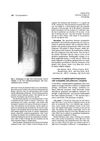 4 citations
,
January 1987 in “Journal of The American Academy of Dermatology”
4 citations
,
January 1987 in “Journal of The American Academy of Dermatology” A man with both skin lesions and lung cancer improved quickly with chemotherapy, suggesting the skin condition might be a reaction to immune system injury.
3 citations
,
July 2024 in “Skin Research and Technology” Asthma may increase the risk of alopecia areata.
 February 2026 in “Medicina”
 Hyaluronic Acid Profhilo® reduces skin inflammation and nerve-related pain in atopic dermatitis.

Deuruxolitinib helped regrow eyebrows and eyelashes in a man with resistant alopecia universalis.
13 citations
,
April 2020 in “European Journal of Dermatology” Apremilast showed mixed results for treating severe alopecia areata.
33 citations
,
January 2019 in “Acta Dermato Venereologica” Dupilumab may help regrow hair in people with atopic dermatitis.
4 citations
,
January 2020 in “PubMed” JAK inhibitors may become the first approved treatment for alopecia areata if they are proven safe and effective.
July 2025 in “Ultrasound in Medicine & Biology” UTMD with diclofenac and Doxil® improves cancer treatment by boosting immune response and reducing tumor-supporting cells.
 123 citations
,
September 1987 in “JAMA”
123 citations
,
September 1987 in “JAMA” IL-2 treatment causes skin eruptions and other reversible side effects, and may play a role in psoriasis.
 9 citations
,
May 2019 in “Journal of dermatological treatment”
9 citations
,
May 2019 in “Journal of dermatological treatment” Apremilast helps regrow hair in hard-to-treat alopecia areata.
 9 citations
,
December 1978 in “Australian Journal of Biological Sciences”
9 citations
,
December 1978 in “Australian Journal of Biological Sciences” Flumethasone causes wool shedding in Merino wethers, with recovery in about 60 days.