 4 citations
,
January 2001 in “Archives of Biochemistry and Biophysics”
4 citations
,
January 2001 in “Archives of Biochemistry and Biophysics” Activated ras can protect kidney cells from a certain substance that causes cell death.
June 2026 in “Strathprints: The University of Strathclyde institutional repository (University of Strathclyde)” Topical IKKα inhibitors may help prevent CCS tumours.
43 citations
,
May 1999 in “Journal of Biological Chemistry” Agouti protein affects melanocortin receptors through competitive antagonism and receptor down-regulation.
January 2026 in “Biochemical Pharmacology” MitoQ helps protect hair cells from damage in hair loss by boosting a protective enzyme.
65 citations
,
November 2013 in “The EMBO Journal” HDAC1 is crucial for skin development and preventing tumors.
30 citations
,
June 1993 in “The Journal of Cell Biology” The oncoprotein causes abnormal hair growth without increasing skin cancer risk.
 August 2019 in “Journal of Invertebrate Pathology”
 Thymosin beta 4 protects cells from damage by blocking a harmful microRNA and boosting a protective gene.
 32 citations
,
September 2017 in “Journal of the American Academy of Dermatology”
32 citations
,
September 2017 in “Journal of the American Academy of Dermatology” Oral isotretinoin effectively treats yellow facial papules in frontal fibrosing alopecia patients.
 128 citations
,
March 2016 in “Advanced Pharmaceutical Bulletin”
128 citations
,
March 2016 in “Advanced Pharmaceutical Bulletin” Smaller nanoparticles penetrate skin better, especially through hair follicles.
 61 citations
,
June 2022 in “IEEE Journal of Biomedical and Health Informatics”
61 citations
,
June 2022 in “IEEE Journal of Biomedical and Health Informatics” The new method improves skin cancer detection in imbalanced datasets.
 48 citations
,
March 2019 in “Frontiers in Physiology”
48 citations
,
March 2019 in “Frontiers in Physiology” Wounds on the face usually heal with scars, but understanding how some wounds heal without scars could lead to better treatments.
 43 citations
,
January 2011 in “Plastic and Reconstructive Surgery”
43 citations
,
January 2011 in “Plastic and Reconstructive Surgery” Stem cells have great potential for improving wound healing, but more research is needed to find the best types and ways to use them.
 38 citations
,
November 2013 in “Journal of The American Academy of Dermatology”
38 citations
,
November 2013 in “Journal of The American Academy of Dermatology” Higher BMI links to worse hair loss in Taiwanese men.
 36 citations
,
July 2014 in “Experimental Dermatology”
36 citations
,
July 2014 in “Experimental Dermatology” Skin and hair can regenerate after injury due to changes in gene activity, with potential links to how cancer spreads. Future research should focus on how new hair follicles form and the processes that trigger their creation.
 29 citations
,
December 2017 in “Molecular therapy”
29 citations
,
December 2017 in “Molecular therapy” Enzyme replacement therapy improved multiple symptoms of homocystinuria in mice.
 21 citations
,
February 2016 in “Reproductive Biomedicine Online”
21 citations
,
February 2016 in “Reproductive Biomedicine Online” The conclusion suggests that PCOS may persist due to genetic traits that, while harmful for female fertility, could have provided survival and reproductive benefits to males.
 19 citations
,
August 2011 in “Archives of Dermatology”
19 citations
,
August 2011 in “Archives of Dermatology” CCCA is a common scarring hair loss in African descent women, possibly linked to genetics, hair care practices, and health issues like diabetes.
 18 citations
,
October 2023 in “Nature Communications”
18 citations
,
October 2023 in “Nature Communications” Men with baldness are more prone to skin cancers on the scalp due to sun exposure, not testosterone.
 18 citations
,
April 2016 in “Endocrinology and Metabolism Clinics of North America”
18 citations
,
April 2016 in “Endocrinology and Metabolism Clinics of North America” The document concludes that diagnosing PCOS in teenagers is difficult and should focus on specific hormone levels and menstrual irregularities, while also considering treatment for symptoms and related health issues.
 15 citations
,
May 2016 in “Die Pharmazie”
15 citations
,
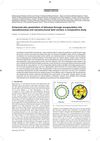
May 2016 in “Die Pharmazie” Nanostructured lipid carriers deliver lidocaine to the skin better than nanoethosomes.
 14 citations
,
May 2019 in “Human gene therapy”
14 citations
,
May 2019 in “Human gene therapy” MC-DNA vector-based gene therapy can temporarily treat CBS deficiency in mice.
 14 citations
,
November 2016 in “Annals of Internal Medicine”
14 citations
,
November 2016 in “Annals of Internal Medicine” Tofacitinib, an arthritis drug, helped hair growth in alopecia universalis but long-term safety needs more research.
 14 citations
,
November 2015 in “Annals of the New York Academy of Sciences”
14 citations
,
November 2015 in “Annals of the New York Academy of Sciences” Changing the diet of mice lacking the enzyme CBS can affect symptoms related to the genetic condition.
 13 citations
,
December 2020 in “PLoS ONE”
13 citations
,
December 2020 in “PLoS ONE” Genetic factors influence growth and brain development in children.
 13 citations
,
February 2020 in “Cold Spring Harbor Perspectives in Biology”
13 citations
,
February 2020 in “Cold Spring Harbor Perspectives in Biology” New methods have helped find cells that create other cells in the body.
 12 citations
,
September 2021 in “PLoS ONE”
12 citations
,
September 2021 in “PLoS ONE” WNT10A and EBF1 interaction affects hair growth in male-pattern baldness.
 11 citations
,
July 2021 in “Sustainability”
11 citations
,
July 2021 in “Sustainability” Concrete made from animal bones and human hair is stronger and more environmentally friendly than traditional concrete.
 11 citations
,
May 2018 in “Philosophical Transactions of the Royal Society B”
11 citations
,
May 2018 in “Philosophical Transactions of the Royal Society B” New materials help control stem cell growth and specialization for medical applications.
 7 citations
,
January 2017 in “American Journal of Biological Anthropology”
7 citations
,
January 2017 in “American Journal of Biological Anthropology” Sardinians were historically short due to a mix of genetics and factors like disease and poor nutrition, but recent height increases suggest better living conditions had a bigger impact.
 6 citations
,
November 2018 in “Histochemistry and Cell Biology”
6 citations
,
November 2018 in “Histochemistry and Cell Biology” Mongolian gerbils heal wounds differently than mice, with unique protein levels and gene expression that affect skin repair.