October 2017 in “British Journal of Dermatology” The document honored Yvonne, announced upcoming dermatology events, and introduced new journal editors.
September 2023 in “Journal of the American Academy of Dermatology”  8 citations
,
April 2024 in “Cureus”
8 citations
,
April 2024 in “Cureus” CO2 lasers are better for severe acne scars, while Er:YAG lasers are gentler with fewer side effects.
23 citations
,
October 2021 in “AAPS PharmSciTech”  May 2026 in “International Journal of Drug Delivery Technology”
 Accurate diagnosis of EFFC is crucial for effective counseling and cosmetic care.
 42 citations
,
February 2017 in “Dermatologic surgery”
42 citations
,
February 2017 in “Dermatologic surgery” VYC-15L is a safe and effective lip filler that lasts up to a year.
 April 2023 in “Journal of Investigative Dermatology”
 Changing YBX1 protein activity affects skin stem cell function and aging.
33 citations
,
August 2000 in “Experimental Cell Research” 4 citations
,
October 2021 in “International Journal of Cosmetic Science” Cirsium japonicum flower extract increases melanin production and could help treat depigmentation conditions.
425 citations
,
August 2002 in “BioEssays” The cornified cell envelope forms a protective barrier in skin and hair, using specific proteins and lipids to maintain effectiveness.
12 citations
,
May 2018 in “Journal of Cosmetic and Laser Therapy” The Er:YAG laser is an effective and safe treatment for acne keloidalis nuchae.
 July 2000 in “Dermatologic Surgery”
 Dr. Yarborough denied endorsing Derma Genesis and was mistakenly represented due to his office manager's error; also, over 30% of tested skin products were contaminated with bacteria.
 April 2026 in “Journal of Cancer”
 Cepharanthine shows promise as a natural anticancer treatment.
90 citations
,
May 2018 in “Molecular Cell” Caspase-3 helps control cell growth and organ size by activating YAP.
25 citations
,
April 2008 in “Clinical and experimental dermatology” EFFC might be common but underreported.
 1 citations
,
March 2023 in “bioRxiv (Cold Spring Harbor Laboratory)”
1 citations
,
March 2023 in “bioRxiv (Cold Spring Harbor Laboratory)” NAC1 controls certain enzymes that reduce root hair growth in Arabidopsis.
November 2023 in “Journal of Investigative Dermatology” Adipose stem cell exosomes may effectively treat atopic dermatitis by reducing inflammation and improving skin health.
 11 citations
,
August 2024 in “Nature Communications”
11 citations
,
August 2024 in “Nature Communications” Quiescent cells have increased mitochondrial activity and ECM gene expression, but reduced glycolysis.
 14 citations
,
July 2012 in “Journal of the American Academy of Dermatology”
14 citations
,
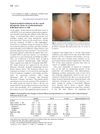
July 2012 in “Journal of the American Academy of Dermatology” Topical tacalcitol ointment can help improve symptoms of EFFC.
 5 citations
,
February 2019 in “Journal of oceanology and limnology (Online)”
5 citations
,
February 2019 in “Journal of oceanology and limnology (Online)” Ecklonia cava extract can reduce the damage and stress caused by hair dye.
 February 2026 in “Preprints.org”
 Beer yeast vesicles may improve hair follicle health.
2 citations
,
January 2023 in “Dermatologic Therapy” CEFFE injections effectively and safely improve postinflammatory hyperpigmentation.
3 citations
,
November 2024 in “Viruses” Cepharanthine may help treat Equid herpesvirus type 8 by reducing oxidative stress.
 33 citations
,
December 2023 in “Cell Death Discovery”
33 citations
,
December 2023 in “Cell Death Discovery” Cepharanthine may help treat gastric cancer by causing cancer cell death and affecting energy use.
 November 2023 in “Journal of cosmetic dermatology”
 The 595-nm pulsed dye laser effectively reduces symptoms of EFFC with minimal side effects.
11 citations
,
January 2022 in “Journal of Healthcare Engineering” The combined treatment is more effective and safer for improving sunken acne scars.
September 2022 in “Pharmacy Today”  26 citations
,
January 2016 in “Annals of Dermatology”
26 citations
,
January 2016 in “Annals of Dermatology” Ecklonia cava polyphenols help increase human hair growth and reduce hair loss.
 December 2021 in “Biomedical journal of scientific & technical research”
 Oral processed egg yolk improves hair regrowth and quality in alopecia patients.
5 citations
,
January 2018 in “Indian Journal of Dermatology/Indian journal of dermatology” A woman got a skin rash from taking aceclofenac, which went away after she stopped the drug.