
The new microneedle system improves hair growth in alopecia treatment.
 June 2018 in “Journal of Acupuncture and Meridian Studies”
 New technologies in acupuncture and biosensors show promise for better medical treatments and healing.
January 1992 in “Journal of Oriental Neuropsychiatry” People with schizophrenia have lower zinc, copper, and chromium in their hair.
 3 citations
,
January 2024 in “Materials advances”
3 citations
,
January 2024 in “Materials advances” Cellulose nanocrystals are promising for making effective, sustainable sensors for various uses.
15 citations
,
August 2011 in “Lasers in medical science” The 755-nm alexandrite laser effectively and quickly treats trichostasis spinulosa with minimal pain and no side effects.
5 citations
,
July 1999 in “Journal of Anatomy” Methylene blue staining effectively highlights detailed nerve structures in rat fur.
June 2023 in “Zenodo (CERN European Organization for Nuclear Research)” 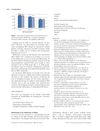 6 citations
,
April 2013 in “International Journal of Dermatology”
6 citations
,
April 2013 in “International Journal of Dermatology” Dermoscopy helps diagnose unusual skin lesions like osteonevus of Nanta and can prevent misdiagnosis of serious conditions.
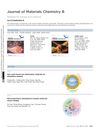 January 2025 in “Journal of Materials Chemistry B” January 2025 in “Lusophone University Repository”
 Nanotechnology can help fight skin aging, but safety concerns limit its use.
 March 2024 in “Organic letters”
 A new method efficiently modifies alkenes to create useful medicinal compounds.
1 citations
,
January 2001 in “PubMed” Mechanoreceptors convert physical touch into electrical signals through specialized nerve structures.
 12 citations
,
August 1984 in “Genetics Research”
12 citations
,
August 1984 in “Genetics Research” The N gene affects the protein makeup of mouse hair.
19 citations
,
January 1974 in “Laboratory animals” Zinc deficiency in female rabbits causes poor health and reproductive issues.
 March 1963 in “Sangyo Igaku”
 Women generally have higher levels of iron, copper, and zinc in their hair than men, with differences increasing with age.
 September 2025 in “Frontiers in Cell and Developmental Biology”
 TCM-derived nanovesicles show promise for wound healing and skin regeneration but need more research.
70 citations
,
February 2009 in “Biological Trace Element Research” February 2023 in “Zenodo (CERN European Organization for Nuclear Research)”  11 citations
,
September 2012 in “Chinese science bulletin/Chinese Science Bulletin”
11 citations
,
September 2012 in “Chinese science bulletin/Chinese Science Bulletin” Hair mineral content can help diagnose certain common illnesses.
50 citations
,
November 1984 in “Journal of Heredity” Lethal-milk mice produce zinc-deficient milk, causing health issues in pups unless supplemented with zinc.
January 2006 in “Chinese Journal of Aesthetic Medicine” Zinc improves skin flap survival in rats.
 January 2023 in “Postepy Dermatologii I Alergologii”
 Zinc is important for health and its supplementation may help treat various conditions.
January 2026 in “Materials Today Bio” The hydrogel speeds up diabetic wound healing by reducing inflammation and promoting skin repair.
17 citations
,
January 1981 in “International Journal of Food Sciences and Nutrition” Zinc and copper are vital for various body functions, including taste, smell, blood formation, and enzyme activity.
7 citations
,
June 2018 in “Cryobiology” Freezing nitrogen ethanol composite is safer than liquid nitrogen for treating musculoskeletal tumors.
 October 2025 in “Pharmaceutical Development and Technology”
 Cubosomal gels enhance skin absorption of cetirizine better than niosomal gels.
 January 2024 in “Research Square (Research Square)”
 A specially designed molybdenum oxide nanozyme can treat and monitor acute kidney injury effectively.
1 citations
,
July 2024 in “Journal of Investigative Dermatology” MPZL3 protein affects hair growth cycles and could help manage hair loss.
 1 citations
,
December 2025 in “Iraqi Journal of Pharmaceutical Sciences ( P-ISSN 1683 - 3597 E-ISSN 2521 - 3512)”
1 citations
,
December 2025 in “Iraqi Journal of Pharmaceutical Sciences ( P-ISSN 1683 - 3597 E-ISSN 2521 - 3512)” Spanlastics effectively deliver Rizatriptan Benzoate with high efficiency and controlled release.