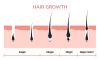
May 2026 in “Frontiers in Cell and Developmental Biology” Mesenchymal stem cells and their vesicles show promise for burn treatment but face challenges in standardization and clinical application.
Correcting EDA fibronectin organization and YAP translocation can improve wound healing in fibrotic conditions.
 33 citations
,
April 2009 in “Journal of the American College of Certified Wound Specialists”
33 citations
,
April 2009 in “Journal of the American College of Certified Wound Specialists” Bidirectional barbed sutures are effective and can reduce surgery time, with a low infection rate and potential cost savings despite being more expensive.
 19 citations
,
May 2016 in “Aging Cell”
19 citations
,
May 2016 in “Aging Cell” Older people's sweat glands are less effective at helping skin wounds heal due to weaker cell connections.
 4 citations
,
February 2017 in “Archives of Aesthetic Plastic Surgery”
4 citations
,
February 2017 in “Archives of Aesthetic Plastic Surgery” Double-layer scalp wound closure is better than single-layer closure after strip hair transplant surgery.