
Blocking 11β-HSD1 reduces stress hormone damage in hair growth cells.
 1 citations
,
October 2020 in “Current Drug Discovery Technologies”
1 citations
,
October 2020 in “Current Drug Discovery Technologies” The research found that compound 6, a newly created steroid, is more effective at inhibiting 5α-reductase (an enzyme) than current treatments, suggesting it could be a better option for treating urinary tract symptoms in men.
 97 citations
,
November 1986 in “Journal of Steroid Biochemistry”
97 citations
,
November 1986 in “Journal of Steroid Biochemistry” Antiandrogens affect androgen-dependent body functions and are used for various medical conditions, with some risks like fetus feminization, but new forms like 17α-propylmesterolone show promise for acne without systemic effects.
64 citations
,
June 1995 in “Steroids” Inhibitors of the enzyme 5 alpha-reductase could potentially treat disorders like prostate cancer and baldness.
19 citations
,
March 2010 in “Steroids” Certain progesterone derivatives can inhibit enzymes and reduce androgenic activity, potentially affecting prostate growth.
 8 citations
,
June 2020 in “The Journal of Clinical Endocrinology and Metabolism”
8 citations
,
June 2020 in “The Journal of Clinical Endocrinology and Metabolism” Taking 5α-reductase inhibitors with prednisolone can worsen its negative effects on metabolism.
 23 citations
,
June 2006 in “Journal of Investigative Dermatology”
23 citations
,
June 2006 in “Journal of Investigative Dermatology” Men with baldness have higher levels of specific proteins, suggesting local hormone production may play a role in hair loss.
 1 citations
,
March 2012 in “Journal of Dermatological Science”
1 citations
,
March 2012 in “Journal of Dermatological Science” Testosterone, progesterone, and levonorgestrel change enzyme levels related to fat production in hamster skin, which could affect skin oil and acne.
 54 citations
,
February 1993 in “Endocrine reviews”
54 citations
,
February 1993 in “Endocrine reviews” Androgen conjugates might be better indicators of skin sensitivity to hormones in women with excessive hair growth.
65 citations
,
April 2007 in “Chemistry and Physics of Lipids” Steroid hormones change the size, charge, and stability of DPPC liposomes.
 218 citations
,
December 2011 in “Advances in Urology”
218 citations
,
December 2011 in “Advances in Urology” The document concludes that the 5 alpha-reductase enzymes are important in steroid metabolism and related to various human diseases, with inhibitors used to treat conditions like male pattern baldness and prostate issues.
29 citations
,
January 1996 in “The Journal of Clinical Endocrinology & Metabolism” A genetic mutation in a specific gene causes a salt-wasting condition in a Pakistani girl and her family.
 5 citations
,
January 2005 in “Journal of Enzyme Inhibition and Medicinal Chemistry”
5 citations
,
January 2005 in “Journal of Enzyme Inhibition and Medicinal Chemistry” New steroids were effective in blocking male hormone receptors in hamster prostates.
1 citations
,
April 2013 in “The FASEB Journal” 3α‐OH‐DHP is essential for reducing nerve activity related to blood pressure control during pregnancy.
91 citations
,
March 2021 in “Molecular and Cellular Endocrinology” CYP11A1 is crucial for skin health and disease by producing important steroids.
100 citations
,
April 1990 in “The Journal of Clinical Endocrinology & Metabolism” The ovary mainly causes high testosterone in PCO, while the adrenal gland is the main source in IH.
 12 citations
,
April 1995 in “Journal of Medicinal Chemistry”
12 citations
,
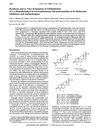
April 1995 in “Journal of Medicinal Chemistry” The new compounds moderately block a specific enzyme and strongly counteract a male hormone, suggesting potential for treating certain male-related health conditions.
25 citations
,
July 2006 in “Journal of Neurochemistry” Progesterone affects GABAA receptor function by altering δ subunit levels.
7 citations
,
December 1971 in “European Journal of Endocrinology” Human hair follicles can process steroid hormones like DHEA.
 30 citations
,
July 2019 in “Endocrinology”
30 citations
,
July 2019 in “Endocrinology” Certain HSD3B1 gene types are linked to worse prostate cancer outcomes and affect treatment response and other health conditions.
 March 2022 in “VNU Journal of Science Medical and Pharmaceutical Sciences”
 A new method accurately measures nine steroid hormones in human serum with high sensitivity.
December 2013 in “Estudo Geral (Universidade de Coimbra)” Modified steroidal inhibitors showed promise in treating hormone-dependent cancers.
8 citations
,
June 2017 in “Steroids” New chemical compounds were made that effectively block an enzyme linked to prostate growth.
11 citations
,
November 2009 in “Journal of steroid biochemistry and molecular biology/The Journal of steroid biochemistry and molecular biology” Bolandiol, a synthetic steroid, builds muscle and bone without greatly affecting sex glands, and works differently from other hormones.
 2 citations
,
April 2007 in “Journal of Labelled Compounds and Radiopharmaceuticals”
2 citations
,
April 2007 in “Journal of Labelled Compounds and Radiopharmaceuticals” The conclusion is that tritium-labeled testosterone metabolites can be made and are better converted into dihydrotestosterone in skin cells than in prostate tissue.
December 2025 in “Current Issues in Molecular Biology” New steroid compounds may help with hormonal therapy and have potential benefits for glucose disorders, but more research is needed.
 20 citations
,
March 2005 in “Current Medicinal Chemistry”
20 citations
,
March 2005 in “Current Medicinal Chemistry” New compounds show promise for treating hair loss, enlarged prostate, and prostate cancer, with some being more effective and having different side effects than current treatments.
3 citations
,
May 2022 in “Clinical endocrinology” Hair steroid measurement is an effective method to diagnose and monitor CAH in developing countries.
3 citations
,
June 2018 in “Bioorganic & medicinal chemistry” Compounds 4, 4b, and 4c effectively inhibit an enzyme linked to testosterone conversion without significant toxicity.