24 citations
,
December 1990 in “Pediatric Dermatology” Tight hairstyles like ponytails may cause hair casts by affecting scalp circulation and causing inflammation.
17 citations
,
February 1987 in “Journal of the American Academy of Dermatology” The hair cuticle acts as a barrier against fungal infection, which occurs only deep within the hair follicle.
 9 citations
,
February 2011 in “Revista Brasileira de Farmacognosia”
9 citations
,
February 2011 in “Revista Brasileira de Farmacognosia” Tridax procumbens plant parts boost immune response in mice.
1 citations
,
March 2021 in “medRxiv (Cold Spring Harbor Laboratory)” Many males in Jordan misuse oral contraceptive pills for hair growth, muscle gain, and acne treatment.
1 citations
,
December 2010 in “Daehan miyong hakoeji” Polygoni mulitiflori Radix water extracts promote hair growth and are safer than minoxidil.
 December 2025 in “Archives of Dermatological Research”
 Topical minoxidil can cause unwanted hair growth and eye issues, especially in infants, so better education and guidelines are needed.
 December 2011 in “Korean journal of veterinary research”
 A Miniature Pinscher dog with hair loss and scaling was diagnosed with pattern alopecia and improved with melatonin treatment.
January 2007 in “Journal of the American Academy of Dermatology” Tinea can cause scarring alopecia in children, and fungal culture is crucial for diagnosis.
July 2004 in “Journal of the American Dietetic Association” Many Korean preschool children have low zinc levels, which may affect their growth, and zinc supplements could help.
The new minoxidil gel reduces runoff and improves eyebrow hair growth.
 12 citations
,
March 2013
12 citations
,
March 2013 Minoxidil cream can safely treat hair loss in kids with ectodermal dysplasia.
11 citations
,
April 2017 in “Journal of research in pharmacy practice” The combination of zinc sulfate and calcium pantothenate effectively controls early-stage hair loss.
6 citations
,
October 1989 in “PubMed” Optimized conditions and specific treatments enhance the growth of hair cells from C3H mice.
5 citations
,
January 2024 in “Crystals” The salts have diverse molecular packing with significant hydrogen interactions.
 5 citations
,
July 2020 in “JAMA Dermatology”
5 citations
,
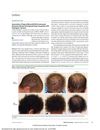
July 2020 in “JAMA Dermatology” Minoxidil solution applied twice daily improved hair growth in patients with Woolly Hair/Hypotrichosis due to LIPH gene issues, with mild side effects.
 5 citations
,
June 2017 in “in Vivo”
5 citations
,
June 2017 in “in Vivo” Vitamin C deficiency changes gene expression, affecting skin and hair health.
 2 citations
,
July 2023 in “Journal of Cosmetic Dermatology”
2 citations
,
July 2023 in “Journal of Cosmetic Dermatology” The topical treatment reduced hair loss and improved hair growth in patients with certain types of hair loss.
 1 citations
,
June 2018 in “International Journal of Dermatology”
1 citations
,
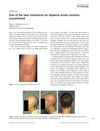
June 2018 in “International Journal of Dermatology” DNCB is highly effective for treating alopecia areata with minimal long-term side effects.
 February 2024 in “Infection and drug resistance”
 Tinea capitis in a child was caused by a fungus from cats, highlighting the need for accurate diagnosis and treatment.
January 2026 in “Journal of Ethnopharmacology” Naringin from citrus fruits can significantly promote hair growth better than minoxidil.
 August 2025 in “Journal of the Korean Society of Cosmetology”
 Gymnema sylvestre leaf extract can slow hair growth.
 August 2025 in “International Journal of Pharmaceutical Sciences and Nanotechnology”
 The new minoxidil nanoemulgel may treat hair loss more effectively with fewer side effects.
September 2019 in “Ukrainian Journal of Dermatology Venerology Cosmetology” The combination treatment effectively and safely cured scalp microsporia in children faster and prevented recurrence.
Tannin improved dermatitis symptoms and may help hair growth in affected mice.
 April 2016 in “Journal of The American Academy of Dermatology”
 A vitamin and mineral supplement significantly reduced hair shedding in Brazilian women with telogen effluvium.
May 2015 in “Cancer research” After chemotherapy for early breast cancer, 33.4% of patients had long-term significant hair loss, with some hair regrowth over time, but treatments for hair loss were largely ineffective.
 40 citations
,
June 2009 in “Journal of Cutaneous Pathology”
40 citations
,
June 2009 in “Journal of Cutaneous Pathology” AGA patients have fewer hairs and smaller follicles; T:V ratio above 4:1 may indicate AGA.
 January 2023 in “International Journal of Medicine in Developing Countries”
 Topical minoxidil improved hair loss in a patient when used consistently.
 20 citations
,
July 2010 in “Skin Research and Technology”
20 citations
,
July 2010 in “Skin Research and Technology” Aging makes hair thinner and rougher, with less clear edges.
April 2017 in “Journal of dermatological science” Young mice's hair follicle stem cells are best for turning into heart muscle cells.