 3 citations
,
January 2019 in “Dermatology and therapy”
3 citations
,
January 2019 in “Dermatology and therapy” Scalp massages may help stabilize or regrow hair in people suffering from hair loss, regardless of age, gender, or use of other treatments.
 1 citations
,
August 2013 in “Springer eBooks”
1 citations
,
August 2013 in “Springer eBooks” Birth control pills and anti-androgen medications help manage hair growth, acne, and hair loss in women with PCOS.
 September 2025 in “Cureus”
 There is no standard treatment for CCCA, and practices vary widely.
 July 2025 in “Current Treatment Options in Oncology”
 Scalp cooling helps prevent hair loss during chemotherapy, and minoxidil aids regrowth.
 July 2025 in “International Journal of Pharmaceutical Sciences Review and Research”
 Individualized treatment and psychological support improved the patient's quality of life and appearance despite medication side effects.
 June 2008 in “British Journal of Dermatology”
 Herpes gestationis is linked to certain antigens, atopic eczema affects T cell populations and may be eased by breastfeeding, higher doses of anti-androgen treatment can improve androgenic alopecia, topical minoxidil increases hair thickness, long-term methotrexate therapy can cause liver fibrosis in psoriasis patients, and Lichen Sclerosus et Atrophicus patients aren't at higher risk for autoimmune disorders.
 3 citations
,
January 2023 in “Journal of Pharmaceutical Negative Results”
3 citations
,
January 2023 in “Journal of Pharmaceutical Negative Results” The emulgel with 11.5% oil and 1.75% gelling agent effectively delivers fluconazole topically with improved spreadability and stability.
 1 citations
,
July 2012 in “Springer eBooks”
1 citations
,
July 2012 in “Springer eBooks” The document concludes that more research is needed to better understand and treat scarring hair loss conditions.
 72 citations
,
July 2014 in “American journal of clinical dermatology”
72 citations
,
July 2014 in “American journal of clinical dermatology” Some treatments, like corticosteroids and sensitizing agents, can help with alopecia areata, but more high-quality research is needed.
 103 citations
,
June 2007 in “Endocrinology and Metabolism Clinics of North America”
103 citations
,
June 2007 in “Endocrinology and Metabolism Clinics of North America” Male pattern hair loss is genetic and influenced by hormones, with treatments like minoxidil and surgery available.
 32 citations
,
August 2015 in “Anais Brasileiros de Dermatologia”
32 citations
,
August 2015 in “Anais Brasileiros de Dermatologia” Black women's unique hair characteristics and styling practices can lead to specific scalp conditions, which require early diagnosis and appropriate treatment.
 26 citations
,
January 2019 in “Expert Opinion on Investigational Drugs”
26 citations
,
January 2019 in “Expert Opinion on Investigational Drugs” New treatments for hair loss show promise, but more research is needed to confirm their safety and effectiveness.
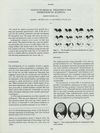 13 citations
,
October 1993 in “International Journal of Dermatology”
13 citations
,
October 1993 in “International Journal of Dermatology” Minoxidil effectively promotes hair regrowth in younger patients with small balding areas.
 7 citations
,
May 2014 in “Clinical practice”
7 citations
,
May 2014 in “Clinical practice” Cooling the scalp may prevent hair loss from chemotherapy, hair often grows back after treatment, and nail issues usually improve after stopping the drug.
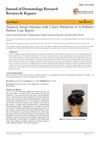 July 2025 in “Journal of Dermatology Research Reviews & Reports”
 A 10-year-old girl with hair and eyelash loss showed significant regrowth after treatment.
 January 2016 in “Springer eBooks”
 Alopecia Areata is an unpredictable autoimmune hair loss condition with limited and variable treatment effectiveness.
 January 2014 in “Journal of Pigmentary Disorders”
 Women's hair gets thinner and grayer as they age, with treatments available for hair loss and graying.
 April 2012 in “Informa Healthcare eBooks”
 Telogen effluvium is a common hair loss condition where many hairs enter the resting phase, often not noticeable until significant loss occurs, and treatment focuses on the underlying cause.
 8 citations
,
October 2016 in “Actas Dermo-Sifiliográficas”
8 citations
,
October 2016 in “Actas Dermo-Sifiliográficas” FFA in men, often mistaken for other hair loss types, may be more common than thought and needs larger studies for confirmation.
 29 citations
,
December 1998 in “Seminars in Cutaneous Medicine and Surgery”
29 citations
,
December 1998 in “Seminars in Cutaneous Medicine and Surgery” New treatments for hair loss show promise, especially finasteride for men and a stronger minoxidil formula.
 21 citations
,
March 2021
21 citations
,
March 2021 Oral minoxidil effectively treats hair loss, with women needing lower doses (0.25 to 2.5 mg daily) and men needing higher doses (1.25 to 5 mg daily).
 January 2025 in “International Journal of Research and Innovation in Applied Science”
 The developed glycerosome gel improves minoxidil delivery for better alopecia treatment.
July 2026 in “Journal of the American Academy of Dermatology” CRT is more effective than oral minoxidil alone for treating hair loss.
 January 2025 in “International Journal of Trichology”
 Topical alternatives like Redensyl, Procapil, onion juice, and rosemary oil may help with hair loss and have fewer side effects.
 January 2024 in “JOJ Dermatology & Cosmetics”
 TH07 treatment is promising for hair growth, with higher satisfaction in males.
 59 citations
,
May 2014 in “Expert Opinion on Therapeutic Targets”
59 citations
,
May 2014 in “Expert Opinion on Therapeutic Targets” The document concludes that targeting 5α-reductase, the androgen receptor, and hair growth genes, along with using compounds with anti-androgenic properties, could lead to more effective hair loss treatments.
 1 citations
,
July 2017 in “Pediatric emergency care”
1 citations
,
July 2017 in “Pediatric emergency care” Pediatric minoxidil exposures are usually not serious and can often be managed at home.
 149 citations
,
March 2004 in “Journal of Dermatological Science”
149 citations
,
March 2004 in “Journal of Dermatological Science” Minoxidil boosts hair growth by increasing cell production and survival.
 19 citations
,
October 2017 in “European Journal of Pharmaceutics and Biopharmaceutics”
19 citations
,
October 2017 in “European Journal of Pharmaceutics and Biopharmaceutics” The gel made of minoxidil and hydroxypropyl-β-cyclodextrin improves hair growth and is good for long-term use.
 20 citations
,
January 2012 in “International journal of trichology”
20 citations
,
January 2012 in “International journal of trichology” Steroids are the best treatment for Alopecia Areata with few side effects.