 55 citations
,
March 2015 in “Carcinogenesis”
55 citations
,
March 2015 in “Carcinogenesis” WNT10A helps esophageal cancer cells spread and keep renewing themselves.
 April 2017 in “Journal of Investigative Dermatology”
 Scientists created a tiny, 3D model of a hair follicle that grows and acts like a real one.
 March 2024 in “Research Square (Research Square)”
 Twist2 is essential for proper skin healing and hair growth in developing mice.
 April 2024 in “Journal of pharmacy & pharmacognosy research”
 A compound from Calophyllum inophyllum L. leaf may help treat non-small cell lung cancer.
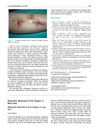 November 2012 in “Actas Dermo-Sifiliográficas”
 An 86-year-old man had a rare tongue melanoma but refused treatment, showing the need for early cancer detection and treatment.
 5 citations
,
August 2018 in “PubMed”
5 citations
,
August 2018 in “PubMed” An 8-year-old with severe hair loss regrew all hair after six months of tofacitinib treatment.
September 1978 in “Journal of steroid biochemistry/Journal of Steroid Biochemistry”  January 2026 in “Food Science and Human Wellness”
 Flammulina velutipes polysaccharide helps the immune system fight tumors by activating certain pathways.
 May 2025 in “International Journal of Molecular Sciences”
 DHHB from Platycladus orientalis L. promotes hair growth and could be a natural alternative to current treatments.
July 2025 in “Clinical Case Reports” A new genetic mutation in the TRPS1 gene causes Trichorhinophalangeal Syndrome, leading to specific hair, dental, and bone issues.
Four transcription factors can convert mouse cells into hair cell-like cells, aiding hearing loss research and treatment.
20 citations
,
March 1975 in “Journal of steroid biochemistry/Journal of Steroid Biochemistry” The study concludes that a genetic mutation in TFM mice leads to reduced androgen receptor activity, affecting the body's response to male hormones.
 May 2025 in “The Journal of Rheumatology”
 Trans-esophageal echocardiography is crucial for accurately diagnosing heart issues in lupus patients.
April 2008 in “Faculty Opinions – Post-Publication Peer Review of the Biomedical Literature” The vitamin D receptor helps control hair growth and may protect against certain skin tumors.
 9 citations
,
February 2011 in “Revista Brasileira de Farmacognosia”
9 citations
,
February 2011 in “Revista Brasileira de Farmacognosia” Tridax procumbens plant parts boost immune response in mice.
22 citations
,
July 2006 in “Annals of The Royal College of Surgeons of England” Hair or fiber wrapped tightly around a toe can lead to serious injury if not treated quickly.
July 2023 in “International Journal of Molecular Sciences” Trapa bispinosa Roxb. extract may help reduce prostate size and cell growth in BPH.
 September 2009 in “European Urology Supplements”
 Cone beam computed tomography can allow for smaller safety margins around the target area in prostate cancer radiation treatment if used for ongoing treatment checks.
166 citations
,
September 2011 in “The Journal of Cell Biology” p63 controls Satb1 to help skin develop properly.
 17 citations
,
May 2011 in “Movement Disorders”
17 citations
,
May 2011 in “Movement Disorders” Finasteride significantly reduced tics and obsessive-compulsive symptoms in patients with Tourette syndrome.
 16 citations
,
February 2022 in “Science Advances”
16 citations
,
February 2022 in “Science Advances” Follistatin and LIN28B together improve the ability of inner ear cells in mice to regenerate into hearing cells.
31 citations
,
November 2003 in “Journal of Occupational Health” Thioglycolic acid in hair products may pose reproductive and cancer risks for hairdressers.
Matriptase-2 helps control iron levels by suppressing hepcidin, and its deficiency can cause iron-deficiency anemia.
13 citations
,
October 1960 in “Experimental Biology and Medicine” Selenium-75 stays in dog hair for up to 316 days.
7 citations
,
January 2017 in “Sub-cellular biochemistry/Subcellular biochemistry”  April 2022 in “Authorea (Authorea)”
 CT scans can find serious prostate cancer even when PSA levels are low.
91 citations
,
July 2004 in “Journal of Biological Chemistry” Overexpressing SSAT enzyme reduces prostate tumor growth in mice.
 April 2015 in “Plastic and Reconstructive Surgery”
 TLR3 activation helps improve skin and hair follicle healing in mice.
8 citations
,
March 2023 in “International Wound Journal” IGF2BP3 and other m6A-related genes are linked to keloid formation and could be potential treatment targets.