 April 2016 in “Journal of Investigative Dermatology”
 Tumor cell adhesion is linked to higher risk of SLN metastasis and melanoma recurrence, and a model including these factors predicts these outcomes better than one with just clinical data.
 8 citations
,
January 2011 in “Experimental and Therapeutic Medicine”
8 citations
,
January 2011 in “Experimental and Therapeutic Medicine” Stromal cells in melanoma promote tumor growth and spread.
 18 citations
,
August 2021 in “PLoS ONE”
18 citations
,
August 2021 in “PLoS ONE” Melanocyte progenitor cells are found in human fat tissue and can become mature melanocytes, which may help treat skin issues.
May 2019 in “CINECA IRIS Institutial Research Information System (University of Genoa)” MITF+ melanoma patients are more likely to have multiple melanomas and unique skin patterns.
3 citations
,
October 2018 in “Journal of Mind and Medical Sciences” Biological therapy boosts the immune system to effectively fight melanoma.
 67 citations
,
November 2019 in “Nature Communications”
67 citations
,
November 2019 in “Nature Communications” Oncogenic melanocyte stem cells can develop into melanoma similar to human cases.
5 citations
,
May 2018 in “Cancer Cell” Less differentiated melanoma cells are more vulnerable to a type of cell death, which could improve cancer treatments.
 1 citations
,
March 2015 in “Journal of the European Academy of Dermatology and Venereology”
1 citations
,
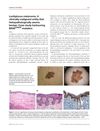
March 2015 in “Journal of the European Academy of Dermatology and Venereology” A clinically suspected melanoma appeared benign under the microscope but was confirmed by specific tests and a rare mutation.
June 2025 in “British Journal of Dermatology” The new AI software predicts melanoma outcomes more accurately than traditional methods.
June 2025 in “British Journal of Dermatology” Melanocytic matricoma can look like skin cancer but is usually harmless; surgery and follow-up are advised.
16 citations
,
October 2004 in “Journal of Investigative Dermatology” Normal human melanocytes can avoid cell death through multiple pathways.
5 citations
,
October 2021 in “Journal of the American Academy of Dermatology” PRAME helps distinguish between benign and malignant skin cells in most cases.
 6 citations
,
April 2013 in “Current Dermatology Reports”
6 citations
,
April 2013 in “Current Dermatology Reports” Dermatologists are crucial for managing skin side effects in metastatic melanoma patients using vemurafenib and ipilimumab.
3 citations
,
December 1989 in “PubMed” January 1999 in “Praxis sociológica” Melanocyte stem cells can become melanoma, resembling human melanoma.
January 1990 in “대한피부과학회지” Peanut agglutinin staining helps differentiate malignant melanoma from nevocellular nevus.
 25 citations
,
May 2018 in “Clinical & Translational Oncology”
25 citations
,
May 2018 in “Clinical & Translational Oncology” New melanoma treatments can cause skin side effects, including skin cancer and rashes, but combining treatments may reduce these risks.
10 citations
,
September 2016 in “Journal of cutaneous medicine and surgery” Patients on dabrafenib and trametinib for melanoma often experience skin side effects.
 June 2011 in “Expert Review of Dermatology”
 Researchers discovered potential origins and new treatments for skin cancer, including biomarkers for melanoma and therapies that reduce tumor growth.
 April 2018 in “Journal of Investigative Dermatology”
 Different types of stem cells in the skin contribute to the variety of melanoma forms.
10 citations
,
January 2012 in “Journal of Oncology” The surrounding tissue plays a crucial role in the growth and spread of skin cancer.
3 citations
,
October 2024 in “Cancers” Skin side effects from melanoma immunotherapy are common and may indicate better survival.
November 2024 in “Journal of Investigative Dermatology”  1 citations
,
November 2023 in “BMC chemistry”
1 citations
,
November 2023 in “BMC chemistry” Tadalafil and Finasteride may help treat aggressive melanoma.
January 2005 in “Enlighten: Publications (The University of Glasgow)” Melanocyte pathology requires keratinocyte hyperplasia and regulation dysfunction.
11 citations
,
August 2006 in “Cell Biology International” Endothelin-1 helps amelanotic melanocytes stick and move better on certain proteins.
January 2006 in “Chinese Journal of Dermatology” Amelanotic melanocytes from hair follicles are immature and likely don't transfer melanosomes to keratinocytes.
9 citations
,
April 2010 in “The Journal of Dermatology” Nestin helps identify certain melanoma cells in nodular melanoma.
July 2025 in “Journal of Investigative Dermatology” M1 homeopathic complex may help slow melanoma cell growth.
14 citations
,
February 2022 in “The Journal of clinical investigation/The journal of clinical investigation” Scientists made a mouse model of a serious skin cancer by changing skin cells with a virus and a specific gene, which is similar to the disease in humans.