 43 citations
,
August 2016 in “International Journal of Nanomedicine”
43 citations
,
August 2016 in “International Journal of Nanomedicine” Eupafolin nanoparticles help protect skin cells from damage caused by air pollution.
 November 2023 in “Indian Dermatology Online Journal”
 Tofacitinib was effective for severe, treatment-resistant hair loss without side effects.
 92 citations
,
June 2005 in “Journal of Investigative Dermatology”
92 citations
,
June 2005 in “Journal of Investigative Dermatology” All-trans retinoic acid causes hair loss by increasing TGF-β2 in hair follicle cells.
 3 citations
,
April 2015 in “Cleveland Clinic Journal of Medicine”
3 citations
,
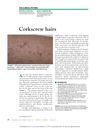
April 2015 in “Cleveland Clinic Journal of Medicine” The woman has scurvy and needs more vitamin C.
30 citations
,
February 1996 in “Journal of Investigative Dermatology” 1 citations
,
July 2023 in “International Journal of Pharmaceutical Sciences and Drug Research” The HPTLC method is effective and accurate for measuring linoleic and oleanolic acid in Eclipta alba.
 July 2023 in “Skin Research and Technology”
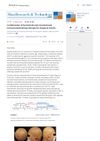
 Baricitinib combined with other immune therapies may safely and effectively treat severe scalp hair loss.
 June 2024 in “Indian Dermatology Online Journal”
 Topical tofacitinib is effective and safe for treating alopecia areata.
 14 citations
,
May 2019 in “Experimental Dermatology”
14 citations
,
May 2019 in “Experimental Dermatology” Fat tissue extract may help treat vitiligo by reducing cell stress and promoting skin repair.
November 1968 in “Journal of the American Pharmaceutical Association” November 2025 in “JOURNAL OF EXPERIMENTAL ZOOLOGY INDIA” Thymol is a promising natural treatment for hair regrowth and inflammation in alopecia areata, performing better than betamethasone.
14 citations
,
July 1977 in “Archives of Dermatology” Applying linoleic acid to the skin can reverse essential fatty acid deficiency symptoms.
 18 citations
,
October 2014 in “Experimental Biology and Medicine”
18 citations
,
October 2014 in “Experimental Biology and Medicine” Eating vitamin A affects hair growth and health by changing cell signals in mice.
 May 2026 in “Indian Journal of Dermatology”
 Tofacitinib shows promise for treating alopecia areata with significant hair regrowth and mild side effects.
 13 citations
,
July 2019 in “Journal of Biochemical and Molecular Toxicology”
13 citations
,
July 2019 in “Journal of Biochemical and Molecular Toxicology” Hydroxytyrosol from olive oil helps protect hair cells from damage and could prevent hair loss.
January 2013 in “วารสารเภสัชศาสตร์อีสาน (Isan Journal of Pharmaceutical Sciences, IJPS)” Carthamus tinctorius floret extract is a safe hair growth promoter with good skin absorption.
37 citations
,
November 2020 in “International Journal of Nanomedicine” Nano-liposol with astaxanthin may improve antioxidant and wound healing effects.
 September 2023 in “International Journal of Applied Pharmaceutics”
 The formulated gel is a promising treatment for alopecia areata.
1 citations
,
January 2021 in “Elsevier eBooks” Olive and olive oil help prevent and manage heart diseases.
75 citations
,
August 2005 in “Expert Opinion on Pharmacotherapy” Acitretin is effective for certain types of psoriasis, safe for long-term use, and often combined with other treatments.
Low levels of tenuazonic acid can severely damage vital organs.
23 citations
,
January 1964 in “Archives of Dermatology” Treatment with vitamin A did not improve the child's skin condition.
January 2026 in “Zenodo (CERN European Organization for Nuclear Research)” Vitamin A levels don't significantly affect alopecia areata.
November 2025 in “Journal of Investigative Dermatology” Dithranol reduces inflammation in alopecia areata by lowering certain immune responses.
 6 citations
,
April 2021 in “Scientific Reports”
6 citations
,
April 2021 in “Scientific Reports” Phytochrome A is crucial for normal metabolism and development in tomato seedlings under far-red light.
 5 citations
,
January 2021 in “Inflammatory Bowel Diseases”
5 citations
,
January 2021 in “Inflammatory Bowel Diseases” Tofacitinib improved ulcerative colitis, skin ulcers, and hair loss in a patient who didn't respond well to other treatments.
26 citations
,
January 1992 in “Carcinogenesis” TPA strongly increases ODC activity in certain skin cells, potentially aiding tumor growth.
16 citations
,
October 1987 in “British journal of dermatology/British journal of dermatology, Supplement” A vitamin D3 compound can reduce skin cell growth.
 September 2017 in “Journal of Investigative Dermatology”
 Mackerel fermented fish oil protects skin cells from damage by UVB light.
 April 2016 in “Journal of Investigative Dermatology”
 Vitamin D can reduce skin inflammation caused by UV rays by enhancing cell "fitness" and skin repair.