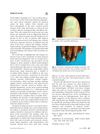
 2 citations
,
June 2018 in “Journal of the American Academy of Dermatology”
2 citations
,
June 2018 in “Journal of the American Academy of Dermatology” Alopecia areata causes varying hair loss and nail changes, and treatments include topical, systemic, and injectable therapies.
 102 citations
,
December 2017 in “The journal of investigative dermatology. Symposium proceedings/The Journal of investigative dermatology symposium proceedings”
102 citations
,
December 2017 in “The journal of investigative dermatology. Symposium proceedings/The Journal of investigative dermatology symposium proceedings” Restoring hair bulb immune privilege is crucial for managing alopecia areata.
October 2024 in “International journal of medicine and psychology.” Targeted immune modulation can help achieve stable remission in alopecia areata.
 2 citations
,
January 2019 in “Annals of Dermatology”
2 citations
,
January 2019 in “Annals of Dermatology” Certain gene variations in EGF and EGFR may increase the risk of alopecia areata in Koreans.
 1 citations
,
January 2024 in “Annals of Dermatology”
1 citations
,
January 2024 in “Annals of Dermatology” COVID-19 may trigger alopecia areata, but more research is needed.
25 citations
,
December 2013 in “Journal of Investigative Dermatology Symposium Proceedings” A new mouse model helps understand and find treatments for alopecia areata.
6 citations
,
January 2024 in “International Journal of Dermatology” Certain gut bacteria may cause alopecia areata.
March 2025 in “Pediatric Dermatology” The supplement aims to improve care for children with alopecia areata.
January 2024 in “Physiotherapia Croatica” New treatments like JAK inhibitors offer hope for hair regrowth in severe alopecia areata.
January 2002 in “Medical archives (Sarajevo, Bosnia and Herzegovina)” Herbal extract may help treat certain types of hair loss.
54 citations
,
December 2011 in “American Journal Of Pathology” A Gsdma3 mutation causes hair loss due to stem cell damage from skin inflammation.
 391 citations
,
January 2010 in “Journal of The American Academy of Dermatology”
391 citations
,
January 2010 in “Journal of The American Academy of Dermatology” Half of people with Alopecia Areata may see hair regrowth within a year without treatment, but recovery is unpredictable.
143 citations
,
January 2004 in “Journal of Investigative Dermatology Symposium Proceedings” Alopecia areata is an autoimmune disease causing hair loss, treatable with immune-modulating drugs, and linked to genetics.
134 citations
,
July 2020 in “Experimental dermatology” Hair follicles are normally protected from the immune system, but when this protection fails, it can cause hair loss in alopecia areata.
 77 citations
,
June 2017 in “Advances in Therapy”
77 citations
,
June 2017 in “Advances in Therapy” New treatments for Alopecia Areata, like JAK inhibitors, show promise for hair regrowth and are likely to change future treatment approaches.
 60 citations
,
September 2015 in “Expert Review of Clinical Immunology”
60 citations
,
September 2015 in “Expert Review of Clinical Immunology” Lymphocytes, especially CD8+ T cells, play a key role in causing alopecia areata, and targeting them may lead to new treatments.
 24 citations
,
January 2008 in “KARGER eBooks”
24 citations
,
January 2008 in “KARGER eBooks” The document concludes that ongoing research using animal models is crucial for better understanding and treating Alopecia Areata.
 16 citations
,
November 2005 in “Journal of Investigative Dermatology Symposium Proceedings”
16 citations
,
November 2005 in “Journal of Investigative Dermatology Symposium Proceedings” Blocking interferon-gamma helps prevent and treat hair loss in Alopecia Areata.
 14 citations
,
January 2020 in “Advances in Dermatology and Allergology”
14 citations
,
January 2020 in “Advances in Dermatology and Allergology” Higher interleukin-15 levels are linked to more severe alopecia areata, but not to age or gender.
13 citations
,
May 2023 in “Journal of Dermatological Science” Reduced SIRT1 in hair cells may cause alopecia areata by triggering immune responses.
7 citations
,
October 2010 in “Medical Hypotheses” Alopecia areata may involve stress-related changes affecting hormone receptors, leading to reduced cortisol production.
 2 citations
,
October 2022 in “The journal of investigative dermatology/Journal of investigative dermatology”
2 citations
,
October 2022 in “The journal of investigative dermatology/Journal of investigative dermatology” AIRE deficiency causes hair loss similar to alopecia areata in mice.
1 citations
,
November 2016 in “Saengmyeong gwahag hoeji/Saengmyeong gwahak hoeji” New treatments for the autoimmune hair loss condition alopecia areata may include JAK inhibitors and other immunomodulators.
 January 2025 in “Clinical Cosmetic and Investigational Dermatology”
 Pediatric alopecia areata is more immune-active than adult cases, suggesting age-specific treatments and potential use of JAK inhibitors.
August 2024 in “Journal of the Egyptian Womenʼs Dermatologic Society” SOX10 in hair follicles is linked to inflammation in alopecia areata.
 December 2020 in “bioRxiv (Cold Spring Harbor Laboratory)”
 Stress can cause a type of hair loss in mice lacking the CCHCR1 gene.
69 citations
,
December 2006 in “Archives of dermatology” Adalimumab may cause severe hair loss in some patients.
11 citations
,
June 2019 in “Journal of dermatology” New medicines that block a specific pathway are showing promise for treating severe hair loss but need more testing for safety and effectiveness.
February 2023 in “Suez Canal University Medical Journal” Lower survivin levels in blood are linked to more severe and progressing alopecia areata.
 49 citations
,
April 2000 in “Journal of The American Academy of Dermatology”
49 citations
,
April 2000 in “Journal of The American Academy of Dermatology” Despite progress in treatment, the exact cause of Alopecia areata is still unknown.