 May 2022 in “Голова и шея.”
 Sinus lifting and septoplasty in rats increased sympathetic nervous activity and caused metabolic changes after surgery.
 May 2022 in “Голова и шея.”
 Exosomes show promise for targeted treatment of HER2-positive breast cancer.
 May 2022 in “Голова и шея.”
 Laryngectomy patients need special protection and care during COVID-19 to prevent infection.
 May 2022 in “Голова и шея.”
 Chronic tonsillitis is linked to NETosis activity, which may help tailor treatments and reduce tonsil removal surgeries.
 May 2022 in “Голова и шея.”
 Inflammation from nasal surgery temporarily increases sympathetic nervous system activity, but balance is restored within a week.
 May 2022 in “Голова и шея.”
 Dentists need more awareness about vitamin D3's role in dental implant complications.
 May 2022 in “Голова и шея.”
 Elderly women in Northern Russia have higher anxiety and different brain energy patterns than men.
 May 2022 in “Голова и шея.”
 Essential oils can boost athletic performance by improving brain function and muscle relaxation.
 May 2022 in “Голова и шея.”
 Orthorexia nervosa is not common among people.
 May 2022 in “Голова и шея.”
 Glycolon is the best suture material for tooth extraction surgeries.
 May 2022 in “Голова и шея.”
 Functional tests and manual muscle testing effectively assess muscle performance in children with health issues.
 May 2022 in “Голова и шея.”
 Music affects people's brain activity differently based on their musical education.
 January 2022 in “Kafkas Universitesi Veteriner Fakultesi Dergisi”
 The research improved understanding of twin births and fertility in Tibetan sheep, helping animal farming.
 November 2021 in “PARIPEX INDIAN JOURNAL OF RESEARCH”
 Trigona honey effectively treats dermatitis in dogs.
 November 2021 in “Austin therapeutics”
 Current treatments for hair loss from chemotherapy are limited, but new methods are being researched.
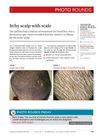 December 2020 in “The Journal of Family Practice”
 The boy's itchy scalp and hair loss were likely due to head lice treatment.
 September 2020 in “Research Square (Research Square)”
 Researchers found that certain RNA sequences play a role in yak hair growth and these sequences are somewhat similar to those in cashmere goats.
 September 2019 in “Asian Journal of Pharmaceutical and Clinical Research”
 Teak seed extract is safe and reduces pain in mice.
 May 2019 in “bioRxiv (Cold Spring Harbor Laboratory)”
 Testosterone significantly affects urination differences between male and female mice.
 May 2019 in “Asian Journal of Pharmaceutical and Clinical Research”
 Eclipta prostrata, particularly its chloroform fraction, effectively reduces inflammation and arthritis.
 April 2019 in “Journal of Investigative Dermatology”
 Researchers fixed gene mutations causing a skin disease in stem cells, which then improved skin grafts in mice.
 December 2018 in “DergiPark (Istanbul University)”
 The cat's skin condition improved with treatment, but underlying health issues must be addressed.
 November 2018 in “Atlas of genetics and cytogenetics in oncology and haematology”
 WNT10B is linked to cancer development and affects survival and disease progression in various cancers.
 April 2018 in “D-Scholarship@Pitt (University of Pittsburgh)”
 Keratin-75 is secreted by ameloblasts in a unique way without a signal peptide.
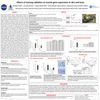 January 2017 in “NASA Technical Reports Server (NASA)”
 Early changes in skin gene expression can predict later bone mass loss after radiation exposure.
 August 2016 in “Journal of Dermatology”
 A chemical called 5-Bromo-2′-deoxyuridine caused rapid hair loss in mice by killing certain skin cells through a specific cell death pathway.
The chapter explains that there are many genetic skin disorders affecting skin cell formation, including both common and rare types.
 September 2014 in “Springer eBooks”
 The document concludes that breast pain should be managed with personalized treatment, starting with non-drug methods and progressing to medication if necessary, while considering side effects and patient needs.
 January 2014 in “Genes and Cells”
 Genetically modified cells improved skin wound healing in rats.
 September 2012 in “The Egyptian Journal of Histology”
 Flutamide caused damage to male rat reproductive organs and may affect fertility.