 April 2016 in “Journal of Investigative Dermatology”
 MEK and BRAF inhibitors increase sebum production and accumulation, which could cause acne-like side effects.
2 citations
,
January 2022 in “JAAD Case Reports” The rash resolved after stopping ponatinib.
8 citations
,
June 2004 in “Journal of Investigative Dermatology” Certain peptides can prevent hair loss in young rats caused by a cancer drug.
 January 2025 in “Journal of Materials Chemistry B”
 The microneedle patch with CuxO nanozymes effectively promotes hair growth for treating hair loss.
2 citations
,
June 2025 in “Chemical Engineering Journal” The hydrogel helps heal seawater-immersed wounds by reducing infection and inflammation.
1 citations
,
November 2024 in “Expert Opinion on Drug Safety” Aromatase inhibitors can cause various adverse reactions, so monitoring is crucial.
 1 citations
,
December 2022 in “Frontiers in Bioengineering and Biotechnology”
1 citations
,
December 2022 in “Frontiers in Bioengineering and Biotechnology” New pharmaceutical biomaterials, especially nanomaterials, show promise for improving cancer treatment and disease diagnosis.
 176 citations
,
June 2016 in “PLoS ONE”
176 citations
,
June 2016 in “PLoS ONE” Nucleic acid polymers can enhance antiviral responses and improve treatment outcomes for chronic hepatitis B.
5-ARI therapy may help prevent prostate cancer progression.
 January 2025 in “Journal of Materials Chemistry B”
 A new treatment using special microneedles and a nitric oxide-releasing drug could improve hair growth and be more convenient for people with hair loss.

New treatments for skin conditions show promise, especially Coacillium® for hair growth in young people with alopecia areata.
 67 citations
,
May 2010 in “Journal of The American Academy of Dermatology”
67 citations
,
May 2010 in “Journal of The American Academy of Dermatology” Some chemotherapy can cause permanent hair loss.
 33 citations
,
December 2005 in “Archives of dermatology”
33 citations
,
December 2005 in “Archives of dermatology” Alefacept showed some effectiveness for alopecia areata but needs more research.
24 citations
,
July 2015 in “Molecular Medicine Reports” Lysophosphatidic acid boosts stem cell growth and movement by creating reactive oxygen species.
 25 citations
,
March 2019 in “Dermatologic therapy”
25 citations
,
March 2019 in “Dermatologic therapy” Intralesional therapy for keratoacanthoma is effective and has fewer side effects than systemic treatments.
January 2021 in “Global Dermatology” Cellcurex™ treatment increased hair growth and thickness but caused pain and bleeding.
52 citations
,
December 2014 in “Journal of Dermatological Science” Apremilast may help treat hair loss in alopecia areata.
1 citations
,
November 2025 in “Neuro-Oncology” Safusidenib erbumine shows promise as a treatment for certain brain tumors, but mild side effects like hair loss need attention.
4 citations
,
October 2016 in “The journal of investigative dermatology/Journal of investigative dermatology” Using an anti-ICAM-1 antibody with rapamycin improves hair transplant survival in monkeys.
June 2024 in “Current Developments in Nutrition” KeraGLO improves skin and hair health.

The document explains how certain drugs block hormones to treat cancers like breast and prostate cancer.
4 citations
,
July 2025 in “Frontiers in Pharmacology” Cooling with antioxidants helps protect hair during chemotherapy.
1 citations
,
January 2012 in “InTech eBooks” Treating acute myeloid leukemia is challenging, especially in older adults, despite some advancements.
April 2026 in “Future Medicinal Chemistry” PROTACs have become a breakthrough in medicine by effectively targeting and degrading specific proteins to treat diseases.
April 2021 in “Journal of Investigative Dermatology”  42 citations
,
November 2018 in “Archives of dermatological research”
42 citations
,
November 2018 in “Archives of dermatological research” Apremilast was not effective in treating moderate-to-severe alopecia areata.
 March 2026 in “Preprints.org”
 Plerixafor may help treat pigmentation disorders by promoting skin repigmentation.
 1 citations
,
January 2009 in “Actas Dermo-Sifiliográficas”
1 citations
,
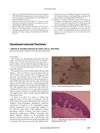
January 2009 in “Actas Dermo-Sifiliográficas” Docetaxel, a chemotherapy drug, was reported to cause psoriasis in a patient for the first time.
 30 citations
,
August 2010 in “American Journal of Clinical Dermatology”
30 citations
,
August 2010 in “American Journal of Clinical Dermatology” Cetuximab can cause eyelash growth, which is rare but manageable.
 1 citations
,
January 2019 in “Advances in Medical Sciences”
1 citations
,
January 2019 in “Advances in Medical Sciences” The combination of azelaic acid, minoxidil, and caffeine significantly increased the survival of skin flaps by affecting certain body channels and nitric oxide levels.