 29 citations
,
January 2007 in “Dermatologic Clinics”
29 citations
,
January 2007 in “Dermatologic Clinics” Photodynamic Therapy is an effective treatment for mild to severe acne.
 June 2024 in “International journal of nanomedicine”
 Azelaic acid micro/nanocrystals, especially with ultrasound and salicylic acid, greatly improve acne treatment.
 October 2021 in “Meditsinskiy sovet = Medical Council”
 Cyproterone acetate improves skin symptoms and quality of life in women with androgen-related issues.
 January 2011 in “Side effects of drugs annual”
 Tretinoin gel is safe for sun exposure, but tacalcitol doesn't significantly improve non-segmental vitiligo.

research Acne
2 citations
,
May 2011 in “Harper's Textbook of Pediatric Dermatology” Acne is a common skin condition linked to diet, hormones, and genetics, and early treatment can prevent scarring.
4 citations
,
January 1989 January 2026 in “Annals of Dermatology” Alitretinoin may help treat mild to moderate alopecia areata.
December 2024 in “European Journal of Dermatology” Transgender acne treatment requires a tailored approach with ongoing topical treatments and ceramide-rich moisturizers.
June 2025 in “British Journal of Dermatology” Better diagnostic and treatment strategies are needed for acne keloidalis nuchae, especially in high-risk groups.
 28 citations
,
December 2017 in “Journal of Investigative Dermatology Symposium Proceedings”
28 citations
,
December 2017 in “Journal of Investigative Dermatology Symposium Proceedings” Tofacitinib shows promise for treating severe hair loss in adults and teens, with many experiencing regrowth, but hair loss returns when treatment stops.
 96 citations
,
September 2008 in “Seminars in Cutaneous Medicine and Surgery”
96 citations
,
September 2008 in “Seminars in Cutaneous Medicine and Surgery” Hormonal treatments, including birth control and antiandrogens, can effectively treat acne in women.
 49 citations
,
March 2017 in “Journal of the American Academy of Dermatology”
49 citations
,
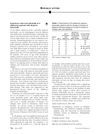
March 2017 in “Journal of the American Academy of Dermatology” Tofacitinib caused significant hair regrowth in adolescents with alopecia universalis who didn't respond to other treatments.
Acitretin improved monilethrix symptoms temporarily, but they returned after stopping treatment.
 5 citations
,
January 2018 in “Springer eBooks”
5 citations
,
January 2018 in “Springer eBooks” Acne in dark skin is influenced by environmental factors and can lead to hyperpigmentation, with various treatment options available.
 24 citations
,
January 2013 in “Indian Journal of Dermatology, Venereology and Leprology”
24 citations
,
January 2013 in “Indian Journal of Dermatology, Venereology and Leprology” Hormonal treatment is effective for women with acne not helped by usual treatments, especially if they have hormonal imbalances.
2 citations
,
January 2010 in “Side effects of drugs annual” Dermatological drugs and cosmetics can cause serious side effects like cancer, allergies, and heart issues.
April 2026 in “Journal of Pharmacy Practice” Improper vitamin use after bariatric surgery can cause acne.
 3 citations
,
March 2019 in “Journal of Pigmentary Disorders”
3 citations
,
March 2019 in “Journal of Pigmentary Disorders” Clascoterone and minocycline are effective acne treatments with quick results and fewer side effects.
 1 citations
,
March 2017 in “InTech eBooks”
1 citations
,
March 2017 in “InTech eBooks”  26 citations
,
October 2016 in “Clinics in Dermatology”
26 citations
,
October 2016 in “Clinics in Dermatology” Hormonal treatments can improve acne, but they come with potential side effects and risks.
5 citations
,
May 2024 in “Journal of Allergy and Clinical Immunology Global” Upadacitinib effectively improved severe atopic dermatitis and alopecia universalis in a 29-year-old man.
July 1974 in “Archives of dermatology” The woman's widespread skin condition did not improve despite various treatments.
 9 citations
,
April 2021 in “Expert opinion on pharmacotherapy”
9 citations
,
April 2021 in “Expert opinion on pharmacotherapy” Clascoterone is a new, effective, and safe acne treatment without systemic side effects.
11 citations
,
April 1997 in “International Journal of Dermatology” Using tretinoin with triamcinolone acetonide helps treat alopecia areata.
 11 citations
,
November 2013 in “Skin Pharmacology and Physiology”
11 citations
,
November 2013 in “Skin Pharmacology and Physiology” Azelaic Acid is effective and safe for treating adult female acne, with few side effects.
19 citations
,
August 2023 in “Journal of Dermatological Treatment” Abrocitinib may effectively treat stubborn alopecia universalis.
 5 citations
,
January 2021 in “Inflammatory Bowel Diseases”
5 citations
,
January 2021 in “Inflammatory Bowel Diseases” Tofacitinib improved ulcerative colitis, skin ulcers, and hair loss in a patient who didn't respond well to other treatments.
9 citations
,
July 2019 in “Dermatologic therapy” Alitretinoin can effectively treat frontal fibrosing alopecia.
 43 citations
,
May 1986 in “Clinics in Endocrinology and Metabolism”
43 citations
,
May 1986 in “Clinics in Endocrinology and Metabolism” Cyproterone acetate is effective for treating hirsutism and acne but less so for hair loss, with side effects similar to birth control pills.
 22 citations
,
January 2017 in “Dermatology”
22 citations
,
January 2017 in “Dermatology” Spironolactone is effective and safe for treating acne with minimal side effects.