28 citations
,
January 2016 in “RSC Advances” A non-toxic formula using polycarboxylic acids strengthens and improves hair.
 April 2026 in “International Journal of Drug Delivery Technology”
 Lactobacillus acidophilus substances can kill and stop the spread of cervical cancer cells.
10 citations
,
January 1994 Hair can be straightened using different chemicals, not just strong alkali.
 April 2026 in “Lithuanian University of Health Sciences”
 Cinnamic acid in hydrogels can effectively fight fungi but spreads less than in solution.
 April 2018 in “Journal of Investigative Dermatology”
 Sensitive scalp has higher pH, more redness, abnormal sebum, and altered bacterial makeup.
5 citations
,
August 2016 in “International Journal of Cosmetic Science” Shampoo coacervates can cause scalp irritation due to released surfactants.
3 citations
,
January 2025 in “Discovery Medicine” Fruit acids can help prevent skin aging from UV exposure.
319 citations
,
March 2023 in “Science Advances” A wearable patch speeds up healing of chronic wounds by monitoring and treating them.
38 citations
,
January 2020 in “Journal of Experimental Botany” Moderate water stress helps rice form rhizosheaths by affecting hormone responses, which may aid in breeding drought-resistant rice.
37 citations
,
August 2019 in “Frontiers in Microbiology” Staphylococcus epidermidis A/C strains are more antibiotic-resistant and infection-adapted, while B strains thrive in hair follicles.
21 citations
,
October 2023 in “The Journal of Physical Chemistry C” Phosphates strongly attach to cerium dioxide nanoparticles, showing specific spectral patterns.
15 citations
,
May 2022 in “Fermentation” Fermented camel milk with pumpkin seed milk reduces oxidative stress and improves health markers in rats.
12 citations
,
December 2016 in “Medical Hypotheses” A vaccine may prevent benign prostatic hyperplasia (BPH).
7 citations
,
August 2023 in “Skin Research and Technology” Scalp conditions change with age, affecting hair health.
3 citations
,
May 2009 in “International Journal of Cosmetic Science” Relaxer treatments damage African–American hair, with commercial products causing more harm than lab-made solutions.
1 citations
,
January 2024 in “Journal of Cosmetic Dermatology” Jawoongo soap improves skin moisture, elasticity, and cleanliness safely.

Customized dermatological treatments effectively address gaps in standard products, especially for complex cases.
November 2025 in “Advanced Healthcare Materials” Charge-conversion chemistry improves hair-rebonding by enhancing penetration and strength.
August 2025 in “Applied Sciences” Peroxide-rich plasma-activated water is gentler on hair than nitrate-rich formulations.
July 2025 in “Ultrasound in Medicine & Biology” UTMD with diclofenac and Doxil® improves cancer treatment by boosting immune response and reducing tumor-supporting cells.
 June 2024 in “Molecules/Molecules online/Molecules annual”
 Platycladus orientalis flavonoids protect balding hair from UV damage and slow hair color change.
8 citations
,
July 2022 in “Metabolites” Higher uric acid levels are linked to fewer urinary symptoms in healthy Korean men.
25 citations
,
November 1994 in “The Journal of Dermatologic Surgery and Oncology” Acetone is not more effective than other degreasers and is more flammable.
CCC1 is essential for pH balance and normal cell function in plants.
 118 citations
,
May 2015 in “European journal of pharmaceutics and biopharmaceutics”
118 citations
,
May 2015 in “European journal of pharmaceutics and biopharmaceutics” The hydrogel with a 1:3 ratio of hydroxyethyl cellulose to hyaluronic acid is effective for delivering drugs through the skin to treat acne.
January 2010 in “Laboratory animal science” The capsules effectively reduced micro-acne in rabbit ears.
 December 2025 in “Universal library of medical and health sciences.”
 Amino acids like arginine and cysteine protect hair during chemical treatments, keeping it strong and less brittle.
6 citations
,
October 2016 in “Pediatric Dermatology” A 6-year-old girl had a rare allergic reaction to a hair regrowth treatment.
 7 citations
,
February 1998 in “Polymer journal”
7 citations
,
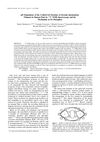
February 1998 in “Polymer journal” Keratin structure in hair is stable at pH 5-6 but disrupts between pH 6-7.
 1 citations
,
April 2021 in “Han'gug miyong haghoeji/Journal of the Korean society of cosmetology”
1 citations
,
April 2021 in “Han'gug miyong haghoeji/Journal of the Korean society of cosmetology” Aspartic acid at 0.75% makes perms more effective and less damaging to hair.