15 citations
,
June 2019 in “Biochemical Journal” A new genetic disorder caused by an ODC1 mutation can be treated with DFMO.
 February 2023 in “Indian journal of private psychiatry/Indian Journal of Private Psychiatry”
 Valproic acid can rarely cause reversible nail discoloration.
 August 2024 in “Archives of Dermatological Research”
 Androgenetic alopecia may be linked to metabolic syndrome.
January 2026 in “Burns & Trauma” Low oxygen and metabolic changes help organoids grow and repair tissues.
 January 2020 in “PARIPEX INDIAN JOURNAL OF RESEARCH”
 Over half of the diabetes patients had skin issues, with fungal infections being most common.
March 2026 in “ACS Applied Materials & Interfaces” MCP@G improves diabetic wound healing by reducing stress and promoting tissue repair.
11 citations
,
March 2024 in “Current Issues in Molecular Biology” Ginsenoside compound K shows promise for treating metabolic diseases like diabetes and obesity.
19 citations
,
September 1971 in “Journal of Investigative Dermatology”  13 citations
,
August 1995 in “The Journal of Steroid Biochemistry and Molecular Biology”
13 citations
,
August 1995 in “The Journal of Steroid Biochemistry and Molecular Biology” The activity of a specific rat enzyme in the prostate and epididymis is highly dependent on the acidity level.
April 2019 in “Journal of the Endocrine Society” A woman's severe insulin resistance improved with treatment, but she still had high testosterone levels due to ovarian issues.
28 citations
,
November 2018 in “American Journal of Medical Genetics Part A” ODC1 gene mutations cause a neurodevelopmental disorder with large head size, hair loss, and facial abnormalities.
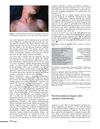
A boy on a ketogenic diet and anti-epileptic drugs developed skin issues due to stopping vitamin supplements, which improved with proper supplementation.
May 2024 in “International journal of medicine and psychology.” Obese women have higher toxin levels after cesarean sections, needing better treatment strategies.
 2 citations
,
November 2017 in “Gynecological Endocrinology”
2 citations
,
November 2017 in “Gynecological Endocrinology” The enzyme myo-inositol oxygenase is not linked to the cause of polycystic ovarian syndrome.
 August 1994 in “Molecular Endocrinology”
 Changing protein kinase levels in pituitary cells affects calcium flow and beta-endorphin release.
 March 2026 in “Current Research in Diabetes & Obesity Journal”
 Skin conditions can signal diabetes and insulin resistance.
1 citations
,
July 2020 in “Acta Neuropsychologica” Valproic acid effectively reduces aggressive and impulsive behaviors in brain injury patients with acceptable side effects.
2 citations
,
June 2018 in “Cosmetics” AMPD is a better and less damaging alternative to ammonium hydroxide for hair bleaching.
12 citations
,
February 2017 in “Journal of neuroscience research” Removing certain brain receptors in mice worsens seizure severity and response to treatment during hormone withdrawal.
 March 2017 in “Iraqi Journal of Pharmaceutical Sciences”
 Abuse of anabolic steroids in Iraqi athletes leads to negative effects on hormones, liver and kidney function, blood sugar, and cholesterol levels.
April 2026 in “Applied Materials Today” The dressing helps heal chronic wounds by swelling and releasing drugs when needed.
Treatment improved symptoms in a woman with HAIR-AN syndrome.
7 citations
,
February 2024 in “The Journal of Physiology” Reduced plakoglobin and steroid abuse increase the risk of heart rhythm issues.
November 2015 in “Bulletin of University of Agricultural Sciences and Veterinary Medicine Cluj-Napoca Veterinary Medicine” Most dogs with Cushing's syndrome have pituitary tumors causing varied symptoms, complicating diagnosis.
 4 citations
,
March 2015 in “Australasian Journal of Dermatology”
4 citations
,
March 2015 in “Australasian Journal of Dermatology” Hair loss is linked to insulin resistance in women, regardless of hormone levels.
January 2025 in “Human Reproduction Open” 25% of premenopausal women with Type 1 diabetes have undiagnosed androgen excess disorders.
 February 2013 in “Journal of The American Academy of Dermatology”
 There is no significant link between insulin resistance and certain hair disorders like idiopathic hirsutism and androgenic alopecia.
Melatonin may protect against cell damage in pancreatitis.
 189 citations
,
March 2018 in “Human Reproduction Update”
189 citations
,
March 2018 in “Human Reproduction Update” Women with PCOS are more likely to have impaired glucose tolerance and type 2 diabetes, especially if they are Asian or obese.
 November 2025 in “Fertility Gynecology and Andrology”
 PCOS involves hormonal and metabolic issues, increasing risks for diabetes and heart disease, and requires lifestyle changes and medication for management.