 September 2024 in “Journal of the American Academy of Dermatology”
 Continued baricitinib treatment leads to significant scalp hair regrowth in severe alopecia areata patients.
 September 2024 in “Journal of the American Academy of Dermatology”
 Baricitinib maintains significant hair regrowth in severe alopecia areata over three years.

CaBP1 and CaBP2 are important for maintaining hearing by supporting continuous calcium currents and nerve signaling in the ear.
2 citations
,
July 2021 in “Bali Medical Journal” A preauricular crease is common in people with coronary artery disease.
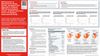 November 2025 in “SKIN The Journal of Cutaneous Medicine”
 Baricitinib significantly regrows hair in nasal, genital, and beard areas for severe alopecia areata.
1 citations
,
January 2012 The CRABP I gene in cashmere goats is highly conserved but has unique features at specific amino sites.
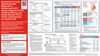 November 2025 in “SKIN The Journal of Cutaneous Medicine”
 Baricitinib significantly regrows hair in teens with severe alopecia areata.
January 2026 in “Archivio istituzionale della ricerca (Alma Mater Studiorum Università di Bologna)” Baricitinib effectively promotes hair regrowth and improves well-being in severe alopecia areata patients.
November 2025 in “OPAL (Open@LaTrobe) (La Trobe University)” DAB labeling effectively identifies collagen type III and PDGFR in horse skin, but may show false positives.
The hydrogel helps bone growth and healing in jaw and facial defects.
 June 2023 in “British Journal of Dermatology”
 Baricitinib was effective and safe for severe hair loss treatment over 6 months.
 January 2024 in “Clinical and Experimental Dermatology”
 Baricitinib helps treat severe hair loss in people over 65.
 January 2025 in “Balkan Medical Journal”
 Baricitinib helps regrow hair in severe alopecia areata and is safe, but more research is needed.
 11 citations
,
September 2016 in “Journal of virological methods”
11 citations
,
September 2016 in “Journal of virological methods” Rabies virus was found in specific skin cells of rabid dogs' muzzles, suggesting these cells could help diagnose rabies.
2 citations
,
February 2023 in “Actas Dermo-Sifiliográficas” Baricitinib effectively improved both atopic dermatitis and alopecia areata symptoms in a patient.
 June 2024 in “Neuromuscular Disorders”
 Baricitinib successfully treated myasthenia gravis and alopecia in a patient.
1 citations
,
May 2017 in “Molecular and Clinical Oncology” An epidermal cyst in the temporal bone can occur as a rare delayed complication after ear surgery.
 November 2023 in “Research Portal Denmark”
 Baricitinib shows promise for severe alopecia areata but isn't a cure and has side effects.
November 2022 in “Journal of Investigative Dermatology” ILC1-like cells can cause alopecia areata by themselves.
 December 2024 in “Frontiers in Pediatrics”
 Baricitinib improved platelet counts and alopecia in a 16-year-old with chronic immune thrombocytopenia.
 January 2024 in “Journal of Clinical Images and Medical Case Reports”
 Baricitinib may help treat frontal fibrosing alopecia and facial papules.
March 2026 in “JID Innovations” Aire mutation reduces alopecia areata, while Notch4 mutation prevents it in mice.

Baricitinib quickly improved severe alopecia areata, with almost total hair regrowth in three months.
1 citations
,
October 2024 in “JAAD Case Reports” Baricitinib effectively treated hair loss and inflammation in a patient with alopecia areata and lichen planopilaris.
July 2024 in “Journal of Investigative Dermatology” Squaric acid dibutylester helps hair growth by increasing certain immune cells in the skin.
5 citations
,
November 2024 in “Biomedicine & Pharmacotherapy” The chitosan-peptide system helps cartilage regeneration using fat-derived cells.
11 citations
,
January 2021 in “British Journal of Dermatology” Mutations in the AP1B1 gene cause a new syndrome with skin, hearing, and developmental issues.
November 2025 in “Journal of Clinical Medicine” Baricitinib significantly improved hair regrowth and quality of life in severe alopecia areata patients.
10 citations
,
May 2017 in “Wound Repair and Regeneration” Overexpression of ALK2 in hair follicles disrupts skin development and slows wound healing.
December 2025 in “Orvosi Hetilap” Baricitinib is effective and safe for treating alopecia areata.