 1 citations
,
August 2024 in “Journal of Cutaneous and Aesthetic Surgery”
1 citations
,
August 2024 in “Journal of Cutaneous and Aesthetic Surgery” 65% TCA improves acne scars more but has more side effects than 50% GA.
 March 2026 in “Frontiers in Cell and Developmental Biology”
 Autologous cell-based therapies, especially SVF, effectively and safely improve atrophic acne scars.
 April 2026 in “Biomedical Research and Therapy”
 CYB5R1 and IL1A genes may be linked to different types of acne scars.
 April 2024 in “International journal of women's health”
 Adult female acne is a complex condition that can worsen with menopause, requiring holistic treatment and tailored skincare at different life stages.
 3 citations
,
July 2017 in “Current sports medicine reports”
3 citations
,
July 2017 in “Current sports medicine reports” Athletes can experience various skin issues, which can be treated and prevented with appropriate care and protective measures.
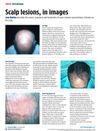 January 2015 in “Independent Nurse”
 Different scalp conditions can lead to hair loss or tumors, with treatments varying from creams to surgery; early detection is crucial.
 December 2024 in “Journal of Cutaneous and Aesthetic Surgery”
 Dermoscopy effectively assesses and improves acne scar treatments.
 14 citations
,
March 2016 in “Cutaneous and Ocular Toxicology”
14 citations
,
March 2016 in “Cutaneous and Ocular Toxicology” Synthetic cannabinoid addiction can cause skin problems like acne and hair loss.
 January 2021 in “Erciyes medical journal”
 The COVID-19 pandemic changed the types of skin conditions seen at a clinic, with fewer patients and varying numbers of specific conditions.

Personalized care and evidence-based treatments are crucial for managing skin and hair conditions.
 49 citations
,
August 2007 in “Dermatologic surgery”
49 citations
,
August 2007 in “Dermatologic surgery” New treatments for acne scars are safer and more effective because we understand the causes better.
68 citations
,
May 2024 in “International Journal of Molecular Sciences” Personalized acne treatments and new therapies show promise for better results.
 49 citations
,
August 2016 in “Aesthetic Surgery Journal”
49 citations
,
August 2016 in “Aesthetic Surgery Journal” Micro-needling effectively improves wrinkles, scars, and hair growth, but proper technique and safety are important.
 13 citations
,
July 2019 in “Pediatric dermatology”
13 citations
,
July 2019 in “Pediatric dermatology” Pediatric dermatologists need to understand the unique skin health needs of LGBTQIA youth to provide better care.
 10 citations
,
May 2015 in “International Journal of Women's Dermatology”
10 citations
,
May 2015 in “International Journal of Women's Dermatology” New treatments for skin and hair disorders in women of color address unique biological differences and include specific acne medications, sunscreens, skin lighteners, and hair care adjustments.

The document concludes that dermatology training and grading scales need to better represent dark-skinned individuals to improve diagnosis and assessment of skin conditions.

Using microneedling with PRP improves skin and hair conditions more than microneedling alone.
 January 2023 in “Revista da Associação Médica Brasileira”
 Brazilian patients with inflammatory bowel disease have a high rate of skin problems compared to healthy people.
6 citations
,
July 1976 in “JAMA” Black patients have unique skin conditions that require specific knowledge for proper treatment.
7 citations
,
May 2021 in “Seizure” Some antiseizure medications can cause cosmetic problems like hair loss, excessive hair growth, acne, and gum overgrowth.
4 citations
,
July 2021 in “Journal of dermatology & dermatologic surgery” Microneedling is a simple, affordable treatment that helps with scars, wrinkles, stretch marks, and hair growth by boosting collagen.
2 citations
,
July 2024 in “International Journal of Transgender Health” Transgender individuals may face specific skin issues during gender-affirming treatments, needing personalized care.
 June 2026 in “The Journal of Cosmetic Medicine”
 Scalp micropigmentation effectively creates the look of fuller hair but requires skilled application and touch-ups.
 41 citations
,
December 2016 in “International Journal of Women's Dermatology”
41 citations
,
December 2016 in “International Journal of Women's Dermatology” Hormone therapy and surgeries for transgender individuals affect their skin and hair, requiring specific dermatologic treatments and respectful care.

Combining microneedling with platelet-rich plasma enhances skin repair and collagen production but may not offer significant extra benefits.
April 2024 in “International journal of molecular sciences” Light-based treatment, Photobiomodulation, shows promise for non-invasive skin therapy with few side effects.
18 citations
,
January 2022 in “Oxidative Medicine and Cellular Longevity” Fibroblasts are crucial in scar formation and wound healing, with potential therapies aiming for scarless healing.
 3 citations
,
April 2022 in “Cutis”
3 citations
,
April 2022 in “Cutis” CCCA is a common, scarring hair loss in Black women that needs early detection.
 1 citations
,
April 2022 in “The Journal of Family Practice”
1 citations
,
April 2022 in “The Journal of Family Practice” CCCA causes progressive hair loss in Black women, starting from a central scalp patch.
 January 2012 in “Yearbook of Dermatology and Dermatologic Surgery”
 Some African American women experience central scalp hair loss, often linked to a history of fungal scalp infection.