4 citations
,
December 2014 in “Dermatologica sinica/Zhōnghuá pífūkē yīxué zázhì” The excimer lamp is a safe and effective treatment for severe alopecia areata.
1 citations
,
November 2024 in “Journal of Cutaneous Pathology” Rare skin cancer can mimic hair loss conditions, so thorough diagnosis is crucial.
149 citations
,
January 2015 in “Journal of the American Academy of Dermatology” Targeted cancer therapies often cause skin side effects, needing dermatologist care.
 November 2022 in “Journal of Investigative Dermatology”
 The study found that skin inflammation and immune response pathways are activated in Solar Urticaria patients after UV exposure, unlike in healthy people.
May 2026 in “Journal of Photochemistry and Photobiology” Solar radiation and pollution damage hair, especially light-colored and bleached hair.
 1 citations
,
April 2016 in “Journal of Investigative Dermatology”
1 citations
,
April 2016 in “Journal of Investigative Dermatology” UV photography can help identify people at higher risk for skin cancer, and male pattern baldness at age 45 is linked to a higher risk of certain skin cancers.

Microneedling for hair loss may cause skin cancer.
March 2023 in “Journal of Cosmetic Dermatology” Trichoscopy is effective for diagnosing scalp ACC in darker skin tones.
17 citations
,
October 2009 in “Dermatology” Ultraviolet light helped hair growth more effectively than triamcinolone acetonide.
 3 citations
,
June 2023 in “The journal of investigative dermatology/Journal of investigative dermatology”
3 citations
,
June 2023 in “The journal of investigative dermatology/Journal of investigative dermatology” The conclusion suggests that focusing on certain cellular pathways may improve the prevention and repair of hair loss caused by radiotherapy.
1 citations
,
April 2025 in “Frontiers in Medicine” New insights into skin damage from UV exposure suggest potential treatments, including targeting specific RNAs and combining therapies for better outcomes.
1 citations
,
April 2020 in “European Journal of Dermatology” Apremilast showed mixed results for hair regrowth in alopecia areata.
6 citations
,
November 2020 in “Annals of Plastic Surgery” Adipose-derived stem cells and platelet-rich plasma together can protect skin and hair from radiotherapy damage.
1 citations
,
November 2014 in “Actas dermo-sifiliográficas/Actas dermo-sifiliográficas”  16 citations
,
March 2019 in “Experimental dermatology”
16 citations
,
March 2019 in “Experimental dermatology” Injury changes how hair follicle stem cells behave, depending on the hair growth stage.
 30 citations
,
November 2013 in “PLOS ONE”
30 citations
,
November 2013 in “PLOS ONE” Androgen receptor signaling causes early aging of cells important for hair growth by damaging their DNA.
 January 2012 in “The Year book of dermatology”
 Many treatments for alopecia areata have inconsistent results; for under 10s, use minoxidil with a corticosteroid, and for over 10s, add ILC and consider diphenylcyclopropenone for widespread cases.
Ribonucleotide excision repair is crucial to prevent skin cancer.
5 citations
,
July 2009 in “Clinical and experimental dermatology”  12 citations
,
June 2019 in “Actas dermo-sifiliográficas/Actas dermo-sifiliográficas”
12 citations
,
June 2019 in “Actas dermo-sifiliográficas/Actas dermo-sifiliográficas” Proper skin toxicity management in chemotherapy is key to continuing treatment and keeping patient quality of life high.
 114 citations
,
March 2002 in “Current opinion in oncology/Current opinion in oncology, with cancerlit”
114 citations
,
March 2002 in “Current opinion in oncology/Current opinion in oncology, with cancerlit” Cancer therapy can cause various skin problems, including hair loss, skin darkening, painful hand-foot syndrome, and severe skin damage.
December 2022 in “IntechOpen eBooks” 308 excimer phototherapy is a safe and effective way to treat hair loss from Alopecia Areata.
 2 citations
,
August 2019 in “Journal of skin and stem cell”
2 citations
,
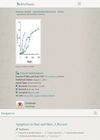
August 2019 in “Journal of skin and stem cell” The study concludes that regulating apoptosis could lead to new treatments for various skin and hair conditions.
Trichodysplasia spinulosa can occur after a heart transplant due to immunosuppressive drugs.
Ribonucleotide excision repair is crucial to prevent skin cancer.
December 2009 in “Expert review of dermatology” Vitamin D may help protect against nonmelanoma skin cancer.
April 2026 in “International Journal of Dermatology” PRP injections are safe for hair loss treatment, but monitoring and sun protection are advised.
14 citations
,
August 2019 in “Dermatologic Therapy” August 2024 in “Postgraduate Medical Journal” A rare skin reaction from cancer treatment was successfully managed with topical treatments and antihistamines.
26 citations
,
February 2015 in “Pediatric blood & cancer” Targeted anticancer therapies in children often cause skin side effects like rash and dry skin.