 November 2020 in “Acta Scientific Women's Health”
 Low vitamin D levels can significantly contribute to hair loss, especially in women aged 35-45. Correcting these levels early may help prevent and treat this condition.
 1308 citations
,
March 1998 in “Journal of bone and mineral research”
1308 citations
,
March 1998 in “Journal of bone and mineral research” The vitamin D receptor is crucial for bone health and affects various body systems, with mutations potentially leading to disease.
 277 citations
,
July 2002 in “Molecular Endocrinology”
277 citations
,
July 2002 in “Molecular Endocrinology” Removing part of the vitamin D receptor stops vitamin D from working properly.
 50 citations
,
October 1986 in “European journal of pediatrics”
50 citations
,
October 1986 in “European journal of pediatrics” A boy with severe Vitamin D-resistant rickets did not respond to treatment and lacked a common symptom, suggesting a need for alternative treatments.
 26 citations
,
March 2014 in “Journal of cutaneous medicine and surgery”
26 citations
,
March 2014 in “Journal of cutaneous medicine and surgery” Topical vitamin D is useful for some skin conditions but not effective for others, and more research is needed.
 18 citations
,
June 2012 in “Archives of Dermatological Research”
18 citations
,
June 2012 in “Archives of Dermatological Research” Vitamin D boosts a specific protein in skin cells linked to hair follicles.
 10 citations
,
September 2015 in “PLoS ONE”
10 citations
,
September 2015 in “PLoS ONE” New mutations in the VDR gene cause vitamin D-resistant rickets without hair loss.
 6 citations
,
August 1989 in “European journal of pediatrics”
6 citations
,
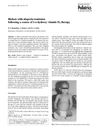
August 1989 in “European journal of pediatrics” Child with rickets improved with a specific vitamin D therapy, but alopecia did not change.
 2 citations
,
November 2017 in “PloS one”
2 citations
,
November 2017 in “PloS one” Some vitamin D analogs can thicken skin and reduce pore size like a common acne treatment, with one analog also affecting skin growth factors.
 May 2026 in “Jurnal Sehat Indonesia (JUSINDO)”
 Low vitamin D levels may worsen or cause alopecia areata.
 November 2025 in “Bioscientia Medicina Journal of Biomedicine and Translational Research”
 A combined treatment with microneedling and vitamin D3 led to complete hair regrowth in a woman with stubborn patch alopecia areata.
 February 2018 in “Egyptian Journal of Radiation Sciences and Applications”
 Patients with Discoid Lupus Erythematosus have lower vitamin D and antioxidant levels and higher oxidative stress.
 11 citations
,
January 2011 in “Turkish Journal of Medical Sciences”
11 citations
,
January 2011 in “Turkish Journal of Medical Sciences” Low iron levels are a significant risk factor for hair loss, while high vitamin D levels might be a response to hair loss, not a cause.
 April 2019 in “Journal of Investigative Dermatology”
 New vitamin D3 forms need the vitamin D receptor to reduce fibrosis in human cells.
 510 citations
,
August 2006 in “Endocrinology”
510 citations
,
August 2006 in “Endocrinology” The vitamin D receptor is involved in multiple body functions beyond calcium regulation, including immune response and rapid reactions not related to gene activity.
 37 citations
,
June 2018 in “Clinical and Experimental Medicine”
37 citations
,
June 2018 in “Clinical and Experimental Medicine” People with alopecia areata often have lower vitamin D levels and more inflammation, suggesting vitamin D might be involved in the condition.
 32 citations
,
December 2017 in “International Journal of Molecular Sciences”
32 citations
,
December 2017 in “International Journal of Molecular Sciences” Low vitamin D might be linked to certain types of hair loss, and supplements could help, but more research is needed.
 28 citations
,
January 2012 in “Biological & pharmaceutical bulletin”
28 citations
,
January 2012 in “Biological & pharmaceutical bulletin” Hairless protein can both repress and activate vitamin D receptor functions, affecting gene regulation.
 14 citations
,
November 2005 in “Life sciences”
14 citations
,
November 2005 in “Life sciences” Vitamin D3 may protect rat hair follicles from radiation damage.
 10 citations
,
October 1993 in “Archives of dermatological research”
10 citations
,
October 1993 in “Archives of dermatological research” Vitamin D compounds may help treat psoriasis by promoting skin cell differentiation.
 2 citations
,
September 2022 in “Bioscientia medicina”
2 citations
,
September 2022 in “Bioscientia medicina” Topical vitamin D is effective in treating vitiligo with few side effects.
 1 citations
,
January 2018 in “Journal of Steroids & Hormonal Science”
1 citations
,
January 2018 in “Journal of Steroids & Hormonal Science” Oral vitamin D treatment can help some children with alopecia areata who have vitamin D deficiency.
 February 2022 in “Global academic journal of medical sciences”
 People with alopecia areata have much lower Vitamin-D levels than healthy individuals.
 January 2022 in “Medical research archives”
 Taking vitamin D might improve life for MS patients and reduce skin side effects from alemtuzumab treatment.

The vitamin D receptor has many roles in the body beyond managing calcium, affecting the immune system, hair growth, muscles, fat, bone marrow, and cancer cells.
 82 citations
,
April 1981 in “Clinical endocrinology”
82 citations
,
April 1981 in “Clinical endocrinology” A girl with rickets and hair loss was found to have a rare condition where her body didn't respond to vitamin D treatment.
 59 citations
,
April 2016 in “Breast Cancer Research and Treatment”
59 citations
,
April 2016 in “Breast Cancer Research and Treatment” Targeting vitamin D and androgen receptors may effectively treat triple-negative breast cancer, especially with chemotherapy.
 46 citations
,
May 2018 in “The journal of investigative dermatology/Journal of investigative dermatology”
46 citations
,
May 2018 in “The journal of investigative dermatology/Journal of investigative dermatology” The vitamin D receptor is essential for skin stem cells to grow, move, and become different cell types needed for skin healing.
 28 citations
,
March 2017 in “Endocrinology”
28 citations
,
March 2017 in “Endocrinology” Removing vitamin D and calcium receptors in mice skin cells slows down skin wound healing.
 11 citations
,
June 1996 in “Nutrition”
11 citations
,
June 1996 in “Nutrition” Vitamin D3 may prevent hair loss from chemotherapy, but side effects and cancer cell protection are concerns.