 4 citations
,
June 2022 in “Indian Dermatology Online Journal”
4 citations
,
June 2022 in “Indian Dermatology Online Journal” COVID-19 may cause temporary hair loss due to direct damage to hair follicles, but it usually gets better on its own.
3 citations
,
February 2023 in “Frontiers in Immunology” The IGRA test effectively detects past SARS-CoV-2 exposure, especially using nucleocapsid peptides.
 April 2023 in “Journal of Investigative Dermatology”
 Long-term Imiquimod treatment causes initial skin inflammation that lessens over time, and topical corticosteroids reduce this inflammation and cytokines in a mouse model of psoriasis.
 January 2023 in “Research Square (Research Square)”
 Many patients experienced severe hair loss after COVID-19, especially older adults and women.
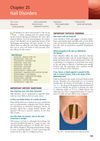 January 2018 in “Elsevier eBooks”
 Different nail disorders are treated by targeting their specific causes and using appropriate medications or protective measures.
 4 citations
,
April 2022 in “Dermatologic Therapy”
4 citations
,
April 2022 in “Dermatologic Therapy” Injecting scalp tissue micrografts is a safe and effective treatment for hair loss after COVID-19.
 January 2008 in “The New England Journal of Medicine”
 Children receive less than half of recommended health care, and routine hormonal testing for female-pattern hair loss is unnecessary without other androgen excess symptoms.
29 citations
,
May 2007 in “British Journal of Dermatology” Hair relaxers can cause lasting scalp damage and hair loss.
 May 2026 in “The Scientific Issues of Ternopil Volodymyr Hnatiuk National Pedagogical University Series pedagogy”
 Thallium poisoning is highly toxic and can cause severe health issues or death.
January 2007 in “UNIFESP Institutional Repository (Universidade Federal de São Paulo)” Addressing anxiety and mood disorders is crucial to reduce medication overuse in chronic migraine patients.
 January 2025 in “International Journal of Trichology”
 Telogen effluvium is common after symptomatic COVID-19, especially in young females, and may be linked to nutritional deficiencies.
 October 2024 in “Journal of Case Reports in Medical Science”
 Psychiatric symptoms can be early signs of systemic lupus erythematosus.
 July 2021 in “Al-Azhar Assiut Medical Journal”
 Low ferritin, vitamin D deficiency, and thyroid problems may contribute to hair loss in some hospital patients in Western Saudi Arabia.
January 1988 in “Toxicological Sciences” 4PeCDF is highly toxic to male rats, causing weight loss, organ damage, and death.
 November 2025 in “Scientific Reports”
 COVID-19 may cause hair loss by affecting hair follicles.
 2 citations
,
January 2007 in “Toxicologie Analytique et Clinique”
2 citations
,
January 2007 in “Toxicologie Analytique et Clinique” A woman survived a massive lithium overdose that caused a form of hair loss.
 March 2021 in “Clinical Medicine”
 A team of different healthcare experts is good for treating long-term COVID-19 issues.
June 2019 in “The Professional Medical Journal” Adding Triamcinolone to the tumescent solution is more effective in preventing post-operative swelling after hair transplants.
Finasteride worsens alcohol withdrawal in female mice but eases it in male mice.
 4 citations
,
October 2022 in “Journal of family medicine and primary care”
4 citations
,
October 2022 in “Journal of family medicine and primary care” Some people in Saudi Arabia experienced hair loss after the COVID-19 vaccine, more often in women and those without prior hair loss.
 May 2026 in “Journal of the Egyptian Womenʼs Dermatologic Society”
 Higher oxidative stress markers are linked to hair loss in post-COVID-19 patients.
 September 2024 in “Journal of Skin and Stem Cell”
 MMP® with minoxidil may improve hair growth in chronic telogen effluvium.
 December 2023 in “Damianus Journal of Medicine”
 Post-COVID-19 patients are at risk for hair loss.
38 citations
,
May 2021 in “International Journal of Infectious Diseases” Low testosterone may indicate severe COVID-19 in men.
 24 citations
,
July 1987 in “Dermatologic Clinics”
24 citations
,
July 1987 in “Dermatologic Clinics” Systemic diseases can cause hair loss, which is often reversible with treatment.
 23 citations
,
September 2021 in “Frontiers in Cellular and Infection Microbiology”
23 citations
,
September 2021 in “Frontiers in Cellular and Infection Microbiology” Testosterone's effects on COVID-19 are unclear and need more research.
6 citations
,
May 2002 in “British journal of dermatology/British journal of dermatology, Supplement” A rare skin condition linked to leukemia improved with chemotherapy.
 5 citations
,
January 2014 in “International journal of gynaecology and obstetrics”
5 citations
,
January 2014 in “International journal of gynaecology and obstetrics” HIV-positive pregnant women are more likely to experience severe bleeding, and a pregnant woman with familial hypertriglyceridemia had a successful early delivery with special care.
3 citations
,
July 2022 in “Indian Journal of Dermatology” ALEP is a drug-triggered skin reaction with pustules that clears up in a week after stopping the drug.
1 citations
,
July 2024 in “Journal of Investigative Dermatology” Plaquenil can cause a severe skin reaction called AGEP, requiring prompt diagnosis and treatment.