 February 2024 in “International Journal of Molecular Sciences”
 Hair loss in Androgenetic Alopecia is caused by genetics, aging, and lifestyle, leading to hair follicle shrinkage and related health risks.
May 2017 in “Journal of the American Academy of Dermatology”  25 citations
,
April 2008 in “Archives of Dermatological Research”
25 citations
,
April 2008 in “Archives of Dermatological Research” Encapsulated human hair cells can substitute for natural hair cells to grow hair.
 January 2026 in “Cosmetics”
 New regenerative treatments show promise in improving hair growth for androgenetic alopecia.
 31 citations
,
October 2010 in “Journal of the European Academy of Dermatology and Venereology”
31 citations
,
October 2010 in “Journal of the European Academy of Dermatology and Venereology” Some people with heavy hair shedding might actually have a hidden form of alopecia, which can be identified by specific hair changes.
January 2025 in “Surgical & Cosmetic Dermatology” Temporal triangular alopecia causes permanent hair loss and can be managed with treatments like minoxidil or hair transplantation.
 5 citations
,
January 1985 in “Archives of Dermatology”
5 citations
,
January 1985 in “Archives of Dermatology” Skin creams that block male hormones may help with hair growth, hair loss, and acne.
September 2003 in “American Journal of Human Genetics”  April 2023 in “Journal of Investigative Dermatology”
 Exosomes from certain stem cells can fight hair loss by promoting hair growth and maintaining the growth phase of hair.
April 2008 in “Experimental Dermatology” Early surgery and quitting smoking can help manage hidradenitis suppurativa.
December 2016 in “Chinese Journal of Dermatology” Adenosine boosts hair growth by increasing angiogenin levels.
 1 citations
,
July 2009 in “Journal of dermatology”
1 citations
,
July 2009 in “Journal of dermatology” A 29-year-old man had a jaw plaque diagnosed as follicular mucinosis, linked to nestin-positive hair follicle stem cells.
23 citations
,
July 1993 in “The journal of investigative dermatology/Journal of investigative dermatology” Certain chemicals and peptides can promote hair growth or prevent baldness.
 January 2026 in “International Journal of Dermatology Venereology and Leprosy Sciences”
 Intradermal dutasteride effectively and safely improves hair growth in early-stage androgenetic alopecia.
 August 2025 in “Nutrients”
 Ageratum conyzoides extract promotes hair growth and regrowth.
October 2025 in “Journal of the Endocrine Society” Surgery improved symptoms and normalized hormone levels in a woman with an adrenal tumor.
January 2013 in “Seoul National University Open Repository (Seoul National University)” Epidermal growth factor helps hair regrow after chemotherapy.
 January 2026 in “Scientific Reports”
 Sesamin may help treat hair loss by affecting specific cell pathways.
 June 2023 in “Food frontiers”
 Ginsenoside CK, found in Panax ginseng, can prevent hair loss by controlling certain growth pathways and promoting hair follicle development.
5 citations
,
September 1980 in “International Journal of Dermatology” Understanding hormones is key to treating certain skin conditions.
 April 2016 in “Chinese Journal of Dermatology”
 Wnt10b can help regenerate hair follicles.
 6 citations
,
September 2019 in “Archives of Dermatological Research”
6 citations
,
September 2019 in “Archives of Dermatological Research” Found 32 genes linked to male baldness, affecting hair growth and stress-related pathways.
 29 citations
,
July 2014 in “PloS one”
29 citations
,
July 2014 in “PloS one” Meis1 is crucial for skin health and tumor development.
39 citations
,
November 2007 in “Experimental dermatology” Human hair follicles contain a complex network of prostanoid receptors that may influence hair growth.
January 2025 in “International Journal of Trichology” Loose anagen hair syndrome in children often resolves on its own.
 1 citations
,
September 2012 in “Journal of Investigative Dermatology”
1 citations
,
September 2012 in “Journal of Investigative Dermatology” Aging reduces stem cell activation, leading to hair loss in mice lacking a specific enzyme.
 30 citations
,
October 2021 in “Scientific Reports”
30 citations
,
October 2021 in “Scientific Reports” Inhibiting glycogen metabolism can promote hair growth.
19 citations
,
December 2011 in “PubMed” Inflammation and immunity play a key role in androgenetic alopecia, with better treatment outcomes in certain immune-positive cases.
 2 citations
,
March 2023 in “JAAD case reports”
2 citations
,
March 2023 in “JAAD case reports” Hair repigmentation can indicate malignancy and should be investigated.
 8 citations
,
June 2011 in “Nature Biotechnology”
8 citations
,
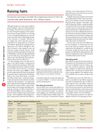
June 2011 in “Nature Biotechnology” Stem cell treatments can potentially treat baldness, with one trial showing hair growth after injecting a hair-stimulating complex, and no safety issues were reported.