September 1998 in “Journal of the European Academy of Dermatology and Venereology” PUVA-turban therapy can help some people with severe alopecia areata regrow hair.
 January 2022 in “Consultant”
 The man's occipital hair loss was due to temporal triangular alopecia, not alopecia areata.
March 2023 in “Journal of Cosmetic Dermatology” Trichoscopy is effective for diagnosing scalp ACC in darker skin tones.
 3 citations
,
January 2021 in “Skin appendage disorders”
3 citations
,
January 2021 in “Skin appendage disorders” Trichoscopy is useful for correctly diagnosing tinea capitis in adults with unexplained hair loss.
 September 2023 in “Journal of The American Academy of Dermatology”
 Baricitinib shows promise in treating severe hair loss.
15 citations
,
February 2015 in “Anais brasileiros de dermatologia/Anais Brasileiros de Dermatologia” Dermoscopy helps accurately diagnose temporal triangular alopecia, avoiding unnecessary treatments.

A rapid screening method using trichoscopy and clinical data can improve diagnosis and treatment of tinea capitis.
 1 citations
,
November 2004 in “Clinical and Experimental Dermatology”
1 citations
,
November 2004 in “Clinical and Experimental Dermatology” Most bald men don't protect their scalp from the sun, and doctors should encourage prevention.
 1 citations
,
September 2024 in “Indian Journal of Postgraduate Dermatology”
1 citations
,
September 2024 in “Indian Journal of Postgraduate Dermatology” Trichoscopy effectively diagnoses temporal triangular alopecia in children.
January 2019 in “Revista Dermatológica Centro Uraga” Alopecia triangular temporal is a rare condition with unclear causes and treatment, but trichoscopy helps in diagnosis.
9 citations
,
December 1985 in “JAMA” A child day-care center reported cases of contagious fungal scalp infection, indicating a need for greater awareness and control measures.
17 citations
,
October 2009 in “Dermatology” Ultraviolet light helped hair growth more effectively than triamcinolone acetonide.
 December 2023 in “Scientific Reports”
 Scientists created cell lines from balding patients and found that cells from the front of the scalp are more affected by hormones that cause hair loss than those from the back.

Activating certain hair follicle cells could prevent hair loss from cancer treatments.
10 citations
,
June 2023 in “Medical Mycology Case Reports” An elderly man had a scalp infection misdiagnosed as dandruff, treated successfully with antifungal medication.
 October 2024 in “Dermatology Practical & Conceptual”
 Using dermoscopy improves diagnosis of scalp and hair disorders in children.

The man has Temporal Triangular Alopecia, a stable, non-scarring hair loss condition best treated with hair transplantation.
 1 citations
,
November 2023 in “Journal of the European Academy of Dermatology and Venereology”
1 citations
,
November 2023 in “Journal of the European Academy of Dermatology and Venereology” Baricitinib helps with early hair regrowth in people with alopecia areata.
 4 citations
,
February 1988 in “Journal of the American Academy of Dermatology”
4 citations
,
February 1988 in “Journal of the American Academy of Dermatology” Congenital triangular alopecia is more common than thought and some treatments can be beneficial for appearance concerns.

Tinea capitis in adults often leads to misdiagnosis or delayed diagnosis due to atypical symptoms, requiring careful examination for proper treatment.
3 citations
,
April 2025 in “International Journal of Pharmaceutics” Nanocrystals improve alopecia areata treatment by better targeting hair follicles.
 May 2024 in “Clinical, cosmetic and investigational dermatology”
 5% topical minoxidil effectively treated a boy's congenital triangular alopecia without side effects.
9 citations
,
July 1982 in “International Journal of Dermatology” A 31-year-old man's hair turned white suddenly, likely due to alopecia areata.
 64 citations
,
June 2014 in “Journal of The American Academy of Dermatology”
64 citations
,
June 2014 in “Journal of The American Academy of Dermatology” Researchers found a white halo around hair in most patients with a specific type of hair loss, which helps in early diagnosis and treatment.
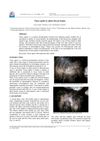
An adult Libyan woman was successfully treated for a rare scalp infection usually seen in children.
October 2025 in “Pediatric Dermatology” UVFD helps quickly diagnose hair loss conditions in children.
 January 2024 in “Más dermatología”
 "Antiaging capilar" aims to restore youthful hair appearance by addressing age-related changes.
 August 2025 in “Journal of IMAB - Annual Proceeding (Scientific Papers)”
 The A-T advancement flap is a safe and effective method for scalp reconstruction after basal cell carcinoma removal.
 14 citations
,
November 2011 in “Journal of The American Academy of Dermatology”
14 citations
,
November 2011 in “Journal of The American Academy of Dermatology” Alopecia Areata Incognita causes widespread hair thinning, and treatment with systemic corticosteroids and psychiatric support can lead to remission.
 December 2020 in “TURKDERM”
 A 3-year-old boy was diagnosed with a rare, non-scarring hair loss condition called temporal triangular alopecia.