 18 citations
,
June 2018 in “Journal of The American Academy of Dermatology”
18 citations
,
June 2018 in “Journal of The American Academy of Dermatology” Fat tissue treatments may help with wound healing and hair growth, but more research with larger groups is needed to be sure.
7 citations
,
May 1978 in “Acta Dermato Venereologica” A 36-year-old man had unusual skin lesions on his face without hair loss.
 1 citations
,
September 2025 in “Clinical Cosmetic and Investigational Dermatology”
1 citations
,
September 2025 in “Clinical Cosmetic and Investigational Dermatology” Adipose-derived stem cell exosomes and AI can improve personalized skincare by offering anti-aging benefits and precise product customization.
 August 2026 in “Dermatology and Therapy”
 Weight loss with GLP-1 therapy can cause skin sagging and hair loss but improves some skin conditions.
7 citations
,
August 2017 in “European journal of endocrinology” Mutations in the POC1A gene can cause a unique form of extreme insulin resistance and short stature.
1 citations
,
September 2019 in “DOAJ (DOAJ: Directory of Open Access Journals)” Using a person's own fat cells can help regrow hair after injury.
December 2010 in “TSpace” Activating androgen receptors in muscle can increase muscle mass and reduce fat.
July 2025 in “Journal of Investigative Dermatology” Nelfb is essential for dermal fat development and survival.
1 citations
,
December 2017 in “International Journal of Public Health Science (IJPHS)” Obesity and BMI don't differ among PCOS types, but teens should learn about long-term health risks.
 January 2025 in “Open Medicine”
 High-concentration cell-free adipose extract reduces scar formation and improves scar appearance.
 13 citations
,
February 2004 in “Clinical and Experimental Ophthalmology”
13 citations
,
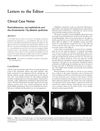
February 2004 in “Clinical and Experimental Ophthalmology” A baby boy with 13q deletion syndrome had eye cancer, a woman's vision improved after stopping a breast cancer drug, a man developed cataracts from using Propecia, and a rare skin disorder called Lipoid Proteinosis was discussed. Also, a tool called OCT is useful for diagnosing macular diseases.
 April 2021 in “Journal of Cosmetic Dermatology”
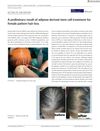
 Stem cell treatment improved hair density in female hair loss patient.
April 2019 in “Journal of Investigative Dermatology” Dihydrotestosterone (DHT) increases oil production in skin cells by activating mTOR, and mTOR inhibitors can reduce this effect.
January 2022 in “Aesthetic Plastic Surgery”  October 2023 in “Benha Journal of Applied Sciences”
 Insulin resistance may contribute to hair loss in people with androgenic alopecia.
10 citations
,
January 2024 in “Burns & Trauma” Adipose stem cell-derived exosomes greatly improve wound healing.
39 citations
,
August 2001 in “Clinical endocrinology” Lean and obese women with PCOS have similar levels of insulin resistance, indicating it's a core aspect of the condition.
 January 2017 in “Open Journal of Endocrine and Metabolic Diseases”
 The document concludes that managing Dunnigan-Type Familial Partial Lipodystrophy involves treating associated health issues and using medications like metformin and leptin replacement.
 September 2008 in “Fertility and Sterility”
 Free fatty acids may increase androgen production, potentially contributing to polycystic ovary syndrome.
 February 2022 in “Mediators of Inflammation”
 Women with Polycystic Ovary Syndrome (PCOS) have lower levels of a substance called DIAPH1 in their blood, which is linked to changes in sugar metabolism and insulin resistance.
 1 citations
,
December 2015 in “Endocrinology”
1 citations
,
December 2015 in “Endocrinology” Decanoic acid may help treat PCOS by reducing androgen levels and improving glucose sensitivity.
 April 2019 in “The journal of investigative dermatology/Journal of investigative dermatology”
 848 genes related to fat and metabolism are less active in people with Central Centrifugal Cicatricial Alopecia.
 November 2023 in “British journal of nutrition”
 Curcumin supplements increase adiponectin and decrease leptin in adults.
 2 citations
,
September 2022 in “Cytotherapy”
2 citations
,
September 2022 in “Cytotherapy” Fat-derived stem cells show promise for treating skin issues and improving wound healing, but more research is needed to confirm the best way to use them.
 6 citations
,
August 2013 in “Fertility and Sterility”
6 citations
,
August 2013 in “Fertility and Sterility” Eating cream can increase ovarian androgen production in women with Polycystic Ovary Syndrome, which is not related to obesity.
The agouti gene may help understand and treat obesity.
July 2026 in “bioRxiv (Cold Spring Harbor Laboratory)” TCDD exposure causes sebaceous glands to differentiate and produce more lipids before shrinking.
 286 citations
,
January 2009 in “Human Reproduction Update”
286 citations
,
January 2009 in “Human Reproduction Update” Women with the NIH type of PCOS have more obesity and higher risk of diabetes and heart disease than those with other types of PCOS.
 6 citations
,
May 2015 in “Clinics in Dermatology”
6 citations
,
May 2015 in “Clinics in Dermatology” Acne and other skin conditions can indicate internal diseases like Polycystic Ovary Syndrome (PCOS), and early treatment can prevent long-term issues.
January 2026 in “Nutrición Hospitalaria” Many drugs can cause lipid metabolism issues, and labels need better warnings.