 282 citations
,
October 2006 in “The Journal of Clinical Endocrinology and Metabolism”
282 citations
,
October 2006 in “The Journal of Clinical Endocrinology and Metabolism” The Endocrine Society advised against routine testosterone therapy for women, citing a need for more research on long-term safety and a clear definition of androgen deficiency.
3 citations
,
April 1977 in “PubMed” The treatment improved acne, seborrhoea, and hirsutism, with some side effects like spotting and nervousness.
 82 citations
,
February 1989 in “The Journal of clinical endocrinology and metabolism/Journal of clinical endocrinology & metabolism”
82 citations
,
February 1989 in “The Journal of clinical endocrinology and metabolism/Journal of clinical endocrinology & metabolism” A three-month treatment with a GnRH agonist significantly lowered androgen levels and 5α-reductase activity in men with benign prostatic hyperplasia.
 3 citations
,
January 2016 in “Elsevier eBooks”
3 citations
,
January 2016 in “Elsevier eBooks” Steroid hormones are crucial for body functions and have various medical uses, but their misuse can lead to dependence.
 49 citations
,
September 1986 in “British Journal of Dermatology”
49 citations
,
September 1986 in “British Journal of Dermatology” Hidradenitis suppurativa improves with antiandrogen therapy.
A thorough diagnostic process and teamwork are crucial for managing complex hyperandrogenism in postmenopausal women.
45 citations
,
April 2021 in “Current Treatment Options in Oncology” ADT for prostate cancer may harm the heart, but GnRH antagonists might be safer.
33 citations
,
January 1979 in “Acta obstetricia et gynecologica Scandinavica” Diane® is an effective contraceptive that also helps treat acne and mild hair growth issues.
 2 citations
,
February 2022 in “Journal of The American Academy of Dermatology”
2 citations
,
February 2022 in “Journal of The American Academy of Dermatology” Hormonal intrauterine devices (IUDs) may cause or worsen skin conditions influenced by androgens.
 1 citations
,
November 2019 in “Archives of breast cancer”
1 citations
,
November 2019 in “Archives of breast cancer” Some hormone treatments might raise breast cancer risk, while others don't seem to.
4 citations
,
February 2009 in “Obstetrical & Gynecological Survey” Testosterone patches can modestly improve sexual function in postmenopausal women not on estrogen therapy.
 1 citations
,
August 2012 in “Journal der Deutschen Dermatologischen Gesellschaft”
1 citations
,
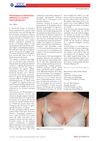
August 2012 in “Journal der Deutschen Dermatologischen Gesellschaft” A woman's hyperandrogenism was caused by a genetic mutation leading to non-classic adrenogenital syndrome.
 October 2025 in “Zenodo (CERN European Organization for Nuclear Research)”
 Hormonal imbalances in women can cause acne, excess hair growth, and hair loss, needing combined medical and mental health care.
 October 2007 in “Postgraduate obstetrics & gynecology”
 Testosterone therapy can help with androgen deficiency in women but should be used with caution and monitoring due to potential risks.
3 citations
,
February 2021 in “JAMA Dermatology” Masculinizing hormone therapy increases the risk of hair loss in transgender and gender-diverse patients.
57 citations
,
August 2018 in “British Journal of Dermatology” Testosterone therapy in transgender men can cause acne.
68 citations
,
May 1991 in “The Journal of clinical endocrinology and metabolism/Journal of clinical endocrinology & metabolism” Both cyproterone acetate and spironolactone effectively reduce hair growth in women with hirsutism.
 22 citations
,
January 2013 in “Journal of The American Academy of Dermatology”
22 citations
,
January 2013 in “Journal of The American Academy of Dermatology” Birth control pills can help manage acne, but dermatologists should know their skin-related side effects, especially when prescribing drugs that can harm unborn babies.
 January 2007 in “Yearbook of Dermatology and Dermatologic Surgery”
 Intramuscular triamcinolone and pulse therapy with oral predonine are effective for alopecia areata with manageable side effects, but better relapse prevention is needed.
 56 citations
,
April 2003 in “Fertility and Sterility”
56 citations
,
April 2003 in “Fertility and Sterility” All three treatments reduce hirsutism, but spironolactone works best long-term.
 December 2012 in “Faculty Opinions – Post-Publication Peer Review of the Biomedical Literature”
 There are several promising treatments for hair loss, including dutasteride, latanoprost, ketoconazole shampoo, anti-androgens, laser/light treatment, and platelet-rich plasma, but more research is needed.
December 2025 in “International Journal of Innovative Technologies in Social Science” Localized estrogen treatments may improve skin quality with fewer risks than systemic hormone therapy.
 13 citations
,
June 1989 in “Pediatric clinics of North America/The Pediatric clinics of North America”
13 citations
,
June 1989 in “Pediatric clinics of North America/The Pediatric clinics of North America” The conclusion is that young women with excessive hair growth should be quickly tested for hormonal issues and treated to improve their social well-being.
 April 2019 in “Journal of the Endocrine Society”
 The study found that imaging might miss small ovarian tumors causing high testosterone, and suggested using certain testosterone levels and treatment responses to identify these tumors.
2 citations
,
March 2003 in “Endocrine Practice” The woman's symptoms and tests suggest her adrenal glands are producing too many male hormones.
5 citations
,
January 2023 in “Indian Journal of Endocrinology and Metabolism” The statement offers guidance for hormone therapy and surgery to help gender-incongruent adults affirm a male identity.
Hormones beyond androgens may cause acne and hair loss.
 4 citations
,
December 1994 in “PubMed”
4 citations
,
December 1994 in “PubMed” Cyproterone acetate with estradiol improved women's self-confidence and emotional well-being without a difference between oral or transdermal methods, but younger women preferred the oral method.
 October 2019 in “European heart journal”
 Androgen-deprivation therapies increase the risk of certain heart conditions, but testosterone treatment may help.
November 2024 in “International Journal of Scientific Reports” Dienogest is safer and has fewer side effects than GnRH analogues for treating endometriosis.