 4 citations
,
December 2018 in “Case reports in endocrinology”
4 citations
,
December 2018 in “Case reports in endocrinology” A 63-year-old woman's male-like symptoms were caused by a rare testosterone-producing ovarian tumor, treated by removing her ovaries and fallopian tubes.
 195 citations
,
May 2003 in “Obstetrics and gynecology (New York. 1953. Online)/Obstetrics and gynecology”
195 citations
,
May 2003 in “Obstetrics and gynecology (New York. 1953. Online)/Obstetrics and gynecology” Most women with excess hair growth have an underlying hormonal issue, often treated with medication and hair removal methods.
 105 citations
,
January 2009 in “Medicine”
105 citations
,
January 2009 in “Medicine” Hirsutism is more linked to high androgen levels than acne or hair loss, and a mix of hormonal tests is best for diagnosis; certain treatments can reduce symptoms.
 39 citations
,
May 2011 in “European Journal of Clinical Investigation”
39 citations
,
May 2011 in “European Journal of Clinical Investigation” Hirsutism can be caused by various conditions besides PCOS, and it's important to treat the underlying issue and manage symptoms with medication and cosmetic approaches.
 36 citations
,
January 2012 in “International Journal of Trichology”
36 citations
,
January 2012 in “International Journal of Trichology” Losing eyelashes or eyebrows can be a sign of many different health problems and needs a careful approach to treat effectively.
 2 citations
,
January 2002 in “Hormone Research in Paediatrics”
2 citations
,
January 2002 in “Hormone Research in Paediatrics” Molecular diagnostics help identify genetic defects causing endocrine diseases, improving diagnosis and treatment options.
 1 citations
,
January 2006
1 citations
,
January 2006 Hirsutism is mainly caused by high androgen levels or sensitivity, with PCOS being the most common cause.
 4 citations
,
January 2015 in “Türk Patoloji Dergisi”
4 citations
,
January 2015 in “Türk Patoloji Dergisi” Hormone imbalances from endocrine diseases can cause various skin conditions that help diagnose and treat these diseases early.
 1 citations
,
January 2006 in “Elsevier eBooks”
1 citations
,
January 2006 in “Elsevier eBooks” Cats lose fur due to various reasons, including allergies, infections, genetics, hormones, diet, cancer, stress, and some conditions are treatable while others are not.
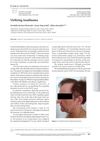 August 2025 in “Endokrynologia Polska”
 A rare pancreatic tumor caused a woman's male-like features, treated successfully with surgery and medication.

The document concludes that non-endocrine alopecia in pets varies in treatment effectiveness and often has a poor prognosis, especially in cats.
 August 2001 in “Veterinary Dermatology”
 The meeting presented findings on effective treatments for various pet skin conditions and insights into the immune responses of dogs with atopic dermatitis.
 50 citations
,
February 2007 in “Clinical obstetrics and gynecology”
50 citations
,
February 2007 in “Clinical obstetrics and gynecology” Early detection and treatment of PCOS in teenagers is important to manage symptoms and prevent severe issues.
 35 citations
,
March 2012 in “Experimental and Clinical Endocrinology & Diabetes”
35 citations
,
March 2012 in “Experimental and Clinical Endocrinology & Diabetes” The conclusion is that accurately identifying the cause of high androgen levels in women with PCOS is crucial and requires specific tests.
 April 2020 in “Journal of the Endocrine Society”
 Non-classic congenital adrenal hyperplasia (NCCAH) can mimic PCOS and requires genetic testing for proper diagnosis and treatment.
54 citations
,
May 1994 in “Veterinary Pathology” PTHrP is higher in certain dog tumors and may act as a local growth factor.
9 citations
,
March 2009 in “Endocrine Practice”  14 citations
,
March 2022 in “Clinical Endocrinology”
14 citations
,
March 2022 in “Clinical Endocrinology” The document concludes that a systematic approach is crucial to identify causes of androgen excess in women beyond the most common cause, Polycystic ovary syndrome (PCOS).
3 citations
,
May 2025 in “Clinical Endocrinology” Evaluate and manage androgen excess in women with a systematic approach, considering both physical and psychological impacts.
36 citations
,
July 1980 in “Journal of Toxicology and Environmental Health” High doses of ethynylestradiol in rats caused growth issues, organ changes, and some tumors, but didn't increase overall tumor rates.
55 citations
,
August 2009 in “Journal of Feline Medicine and Surgery” Cats with adrenal tumors may have both hyperaldosteronism and hyperprogesteronism.
2 citations
,
July 2017 in “Oman medical journal” A man with a rare adrenal cancer showed unusual symptoms and died four months after diagnosis.
 April 2024 in “JCEM case reports”
 A woman's rare benign tumor that released both cortisol and testosterone was successfully removed, improving her health.
2 citations
,
July 2023 in “AACE Clinical Case Reports” Ovarian vein sampling can effectively locate ovarian tumors when imaging is unclear.
 2 citations
,
May 2018 in “Diagnosis”
2 citations
,
May 2018 in “Diagnosis” A 68-year-old woman developed male traits due to a tumor in her ovary, which was removed, returning her hormone levels to normal.
A 10-year-old girl's symptoms improved after surgery to remove a benign adrenal tumor.
 April 2020 in “Journal of the Endocrine Society”
 An ovarian tumor caused a woman's male-like symptoms, which improved after surgery.
10 citations
,
March 2024 in “Endocrine Reviews” Significant progress was made in understanding androgen excess disorders, but much is still unknown.
 3 citations
,
April 2023 in “Frontiers in Pharmacology”
3 citations
,
April 2023 in “Frontiers in Pharmacology” ATP-sensitive K+ channel subunits, particularly Sur2A, play a significant role in various cancers.
3 citations
,
May 2012 in “BMC Endocrine Disorders” Early diagnosis and hormone therapy can significantly improve outcomes for post-partum pituitary insufficiency in resource-limited settings.