31 citations
,
April 2016 in “Journal of the American Academy of Dermatology” Oral dexamethasone may help regrow hair in adults with alopecia totalis and universalis.
24 citations
,
August 2021 in “Scientific Reports” Non-thermal plasma could help hair growth by activating key cell signals.
 12 citations
,
July 2021 in “Scientific Reports”
12 citations
,
July 2021 in “Scientific Reports” Glutamic acid helps increase hair growth in mice.
26 citations
,
June 2022 in “Stem Cell Research & Therapy” Tideglusib helps heal wounds in older skin.
February 2022 in “The Nurse Practitioner” The document aimed to improve healthcare providers' understanding of hormone therapy for transgender and nonbinary patients.
 November 2008 in “Medical Hypotheses”
 The conclusion suggests a new treatment for infantile hemangiomas and a potential target for hair loss treatment.
June 2020 in “Zenodo (CERN European Organization for Nuclear Research)” The DNMT3B -579G>T polymorphism may increase the risk of colorectal cancer.
February 2025 in “Journal of Receptors and Signal Transduction” EGCG may help regrow hair by inhibiting a specific enzyme.
The RNA AL136131.3 slows down hair growth and speeds up hair loss by affecting sugar breakdown in hair follicles.
1 citations
,
December 2011 in “Arzneimittelforschung” CB-03-04 shows promise as a treatment for prostate issues due to its strong anti-androgen effects.
4 citations
,
January 2011 in “Dermatopathology” 2 citations
,
June 1994 in “Der Hautarzt” DNA-flowcytometry is a reliable method to evaluate hair growth in androgenetic alopecia.
 9 citations
,
November 2021 in “Infectious Agents and Cancer”
9 citations
,
November 2021 in “Infectious Agents and Cancer” Androgen deprivation therapy doesn't lower the risk of death from COVID-19 in prostate cancer patients.
 28 citations
,
July 2007 in “Development”
28 citations
,
July 2007 in “Development” TAF4 is important for skin cell growth and helps prevent skin cancer in mice.
 19 citations
,
April 2020 in “Dermatologic Therapy”
19 citations
,
April 2020 in “Dermatologic Therapy” Dutasteride works better than finasteride for hair loss, with both being safe to use.
4 citations
,
January 2004 DanGuiBoHyulTangGami-Bang helps hair growth but doesn't extend the growth period or affect hair follicle cells significantly.
 March 2024 in “International Journal of Pharmaceutics”
 Ginsenoside Rg3 combined with minoxidil was more effective in treating hair loss in mice.
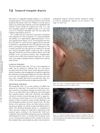 April 2012 in “Informa Healthcare eBooks”
 Temporal triangular alopecia is a lifelong condition with hairless patches on the side of the head that may be present from birth.
July 2022 in “DOAJ (DOAJ: Directory of Open Access Journals)” Androgenetic alopecia is common, affects self-image, and has no complete cure yet.
March 2026 in “Bioengineering & Translational Medicine” PEGylated thymosin β4 shows promise for treating heart attacks effectively.
 February 2026 in “Skin Appendage Disorders”
 Scalp microinfusion with dutasteride is a safe and promising treatment for male hair loss.
4 citations
,
August 2018 in “Journal of cellular biochemistry” Acid inside cells speeds up aging and turns on aging signs in mice.
 4 citations
,
February 2024 in “The Journal of Urology”
4 citations
,
February 2024 in “The Journal of Urology” Adding hormone therapy to radiation improves survival for high-risk prostate cancer recurrence but has side effects.
 8 citations
,
July 2017 in “The Journal of Steroid Biochemistry and Molecular Biology”
8 citations
,
July 2017 in “The Journal of Steroid Biochemistry and Molecular Biology” DHT affects testicular development and regulates spermatogenesis in some fish.
 2 citations
,
July 2005 in “International Joint Conference on Artificial Intelligence”
2 citations
,
July 2005 in “International Joint Conference on Artificial Intelligence” EREG therapy may help treat hair loss by promoting hair growth.
The new gel for hair loss is safe, effective, and reduces side effects.
 36 citations
,
June 2014 in “International Journal of Dermatology”
36 citations
,
June 2014 in “International Journal of Dermatology” Dutasteride helps hair growth in those unresponsive to finasteride, but may cause more sexual dysfunction.
1 citations
,
January 2016 in “Journal of Contemporary Medicine” Androgenetic alopecia causes hair loss, affects men more severely, and treatments are only temporarily effective.
37 citations
,
February 2010 in “Psychoneuroendocrinology” Androgen self-administration might be controlled by membrane receptors, not nuclear ones.