 April 2024 in “Frontiers in microbiology”
 Certain gut bacteria may increase or decrease the risk of male pattern baldness.
April 2023 in “Journal of Investigative Dermatology” EGFR helps protect hair follicles from bacterial infections.
 1 citations
,
March 2004 in “Journal of the American Academy of Dermatology”
1 citations
,
March 2004 in “Journal of the American Academy of Dermatology” Certain genes are linked to the risk of developing Alopecia Areata.
 5 citations
,
March 2017 in “Natural Product Research”
5 citations
,
March 2017 in “Natural Product Research” Researchers found eight natural compounds and essential oils in the Italian plant Bituminaria basaltica, which are typical for its genus and known for bioactivity.
The patient improved with treatment for depilating folliculitis.
 October 2024 in “International Journal of Research in Dermatology”
 Fungal infections are the most common skin issue in the region.
Neem leaf extract combined with eucalyptus and lemongrass oils can effectively treat Tinea capitis.
March 2023 in “Agroland: The Agricultural Sciences Journal/Agroland : The Agricultural Sciences Journal” Pontianak Aloe Vera is beneficial for skin and hair care in various cosmetic products.
January 2026 in “Scientific Reports” Certain blood cell ratios are higher in kids with alopecia areata and might help predict the disease.
June 2026 in “Discover Chemistry.” Blumea eriantha DC. shows promise for medicinal use due to its various health benefits.
 5 citations
,
March 2005 in “Journal of The American Academy of Dermatology”
5 citations
,
March 2005 in “Journal of The American Academy of Dermatology”  2 citations
,
August 2020 in “Cosmetics”
2 citations
,
August 2020 in “Cosmetics” Herbal formula shows promise for hair loss treatment.
3 citations
,
October 2024 in “Experimental Dermatology” Higher CRHR1 levels in AA patients lead to increased inflammation.
3 citations
,
September 2024 in “JAAD reviews.” Topical corticosteroids are recommended first for treating pediatric alopecia areata due to their safety and ease of use.
 April 2016 in “Journal of The American Academy of Dermatology”
 Both atopy and eosinophilia are linked to more severe hair loss in people with alopecia areata.
1 citations
,
February 2025 in “Journal of the American Academy of Dermatology”  May 2022 in “International Journal for Research in Applied Science and Engineering Technology”
 Eclipta prostrata has potential as a natural antibiotic.
 4 citations
,
December 2013 in “International Journal of Dermatology”
4 citations
,
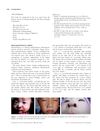
December 2013 in “International Journal of Dermatology” Three children with nasal fungal infections were successfully treated with potassium iodide and sometimes itraconazole.
 December 2025 in “Applied Sciences”
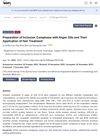
 Argan oil complexes improve hair treatment by enhancing stability, antibacterial properties, and hair texture.
 October 2023 in “Revista Medicina Cutánea Ibero-Latino-Americana”
 Alopecia areata often appears on the scalp and is linked to various health issues, needing thorough evaluation.
 June 2026 in “Jurnal Pendidikan Tambusai”
 Many helmets from online motorcycle taxis in Yogyakarta have harmful fungi.

Certain gut bacteria may protect against or increase the risk of hair loss.
1 citations
,
June 2018 in “Journal of General-Procedural Dermatology & Venereology Indonesia” Skin debridement and antifungals successfully treated severe scalp infection without scarring.
 April 2024 in “International Journal of Research Publication and Reviews”
 Alopecia areata causes hair loss with varied treatment responses and frequent relapses.
 1 citations
,
May 2025 in “Natural Products and Bioprospecting”
1 citations
,
May 2025 in “Natural Products and Bioprospecting” PEVIII is a promising treatment for Pseudomonas aeruginosa keratitis.
69 citations
,
May 2002 in “Journal of Investigative Dermatology” Congenital atrichia with papular lesions is often misdiagnosed, and new diagnostic criteria can improve accuracy.
1 citations
,
January 2015 A compound from Aloe barbadensis Miller can help regrow hair better than minoxidil.

Fusarium sp. strain K–23 helps Arabidopsis plants grow better in salty soil by boosting root hair growth.
22 citations
,
April 2020 in “Frontiers in Cellular and Infection Microbiology” Alopecia areata may be linked to scalp microbiome differences, suggesting potential treatments with prebiotics, probiotics, and postbiotics.
February 2017 in “The journal of allergy and clinical immunology/Journal of allergy and clinical immunology/The journal of allergy and clinical immunology” Immunotherapy helped a 5-year-old boy regrow hair and prevent seasonal alopecia areata.