 March 2026 in “Collagen and Leather”
 The hydrogel speeds up wound healing and fights bacteria, making it great for emergency use.

Bubble microneedles effectively deliver drugs through the skin and mouth, improving treatment speed and efficiency.
 20 citations
,
September 2019 in “Nanomaterials”
20 citations
,
September 2019 in “Nanomaterials” A portable device can create nanofibers to improve the appearance of thinning hair better than commercial products.
 June 2023 in “Brazilian Journal of Case Reports”
 Botulinum Toxin Type A delivered through the skin may be a promising treatment for Frontal Fibrosing Alopecia.

Anifrolumab improves quality of life and reduces steroid use in lupus patients.
 3 citations
,
September 2023 in “Advanced science”
3 citations
,
September 2023 in “Advanced science” A new vaccine using a porous scaffold boosts immunity and protects against the flu better than traditional methods.
February 2023 in “Journal of Microencapsulation” The finasteride nanosystem with trehalose is stable and effective for topical hair loss treatment.
November 2022 in “Journal of Nanobiotechnology” The developed system could effectively treat hair loss and promote hair growth.
14 citations
,
March 2018 in “Current Drug Delivery” Topical finasteride can effectively treat male pattern baldness with fewer side effects than oral use.
 July 2026 in “Journal of Nanobiotechnology”
 The hydrogel helps treat hair loss by reducing harmful molecules and improving blood flow to hair follicles.
 February 2024 in “International Journal of Biological Macromolecules”
 The study created a new type of microsphere that effectively regrows hair.
 7 citations
,
January 2019 in “Archives of Aesthetic Plastic Surgery”
7 citations
,
January 2019 in “Archives of Aesthetic Plastic Surgery” A forehead-supporting chair improves comfort and results in hair transplant surgery.
 2 citations
,
January 2011 in “Lecture Notes in Computer Science”
2 citations
,
January 2011 in “Lecture Notes in Computer Science” A proposed robotic system could make hair harvesting for baldness treatment faster and more precise.
Autologous Regenerative Therapy may improve hair restoration by using stem cells from fat.
17 citations
,
September 2022 in “Biomaterials Research” The film-trigger applicator improves microneedle skin delivery and drug efficiency using simple finger force.
 6 citations
,
February 2016 in “Journal of Microencapsulation”
6 citations
,
February 2016 in “Journal of Microencapsulation” Improved finasteride formula allows slow, sustained release and better absorption for patients.
New bio-ink can print complex tissues and organs.
January 2019 in “CLINICAL AND EXPERIMENTAL MORPHOLOGY”  October 2024 in “Skin Appendage Disorders”
 Autologous micrografting via the Rigenera® system shows promise in improving hair loss treatment.
40 citations
,
September 2014 in “Journal of cosmetic and laser therapy” Transepidermal drug delivery effectively treated areata alopecia with minimal side effects.
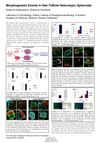
Researchers developed a method to create artificial hair follicles that may help with hair loss treatment and research.
 February 2026 in “PubMed”
 Microneedles with Astragalus and minoxidil improve hair growth.

The robotic system for hair restoration surgery works well, giving similar results to manual techniques after 9 months.
 1 citations
,
January 2014
1 citations
,
January 2014 The F9 formulation of Finasteride tablets, using Eudragit, successfully controlled drug release.
 14 citations
,
January 2014 in “Journal of Cutaneous and Aesthetic Surgery”
14 citations
,
January 2014 in “Journal of Cutaneous and Aesthetic Surgery” Scalp Roller therapy helped improve hair growth in patients with hard-to-treat alopecia areata.
147 citations
,
September 2001 in “Computer graphics forum” The authors created a realistic and efficient method to simulate hair movement by combining fluid dynamics with individual hair strand behavior.
 July 2021 in “British Journal of Dermatology”
 A woman with systemic sclerosis developed a unique scarring hair loss combining features of systemic sclerosis and frontal fibrosing alopecia.
 January 2026 in “RSC Advances”
 The hydrogel helps heal wounds without scars by releasing two drugs gradually.
 6 citations
,
August 2021 in “International Journal of Pharmaceutics”
6 citations
,
August 2021 in “International Journal of Pharmaceutics” A new device, IVL-PPF Microsphere®, was created to deliver a hair loss drug for up to 3 months with one injection, potentially replacing daily pills.
 April 2026 in “Dermatology Practical & Conceptual”
 AMT may be more effective than finasteride for hair growth in androgenetic alopecia.